Your Custom Text Here
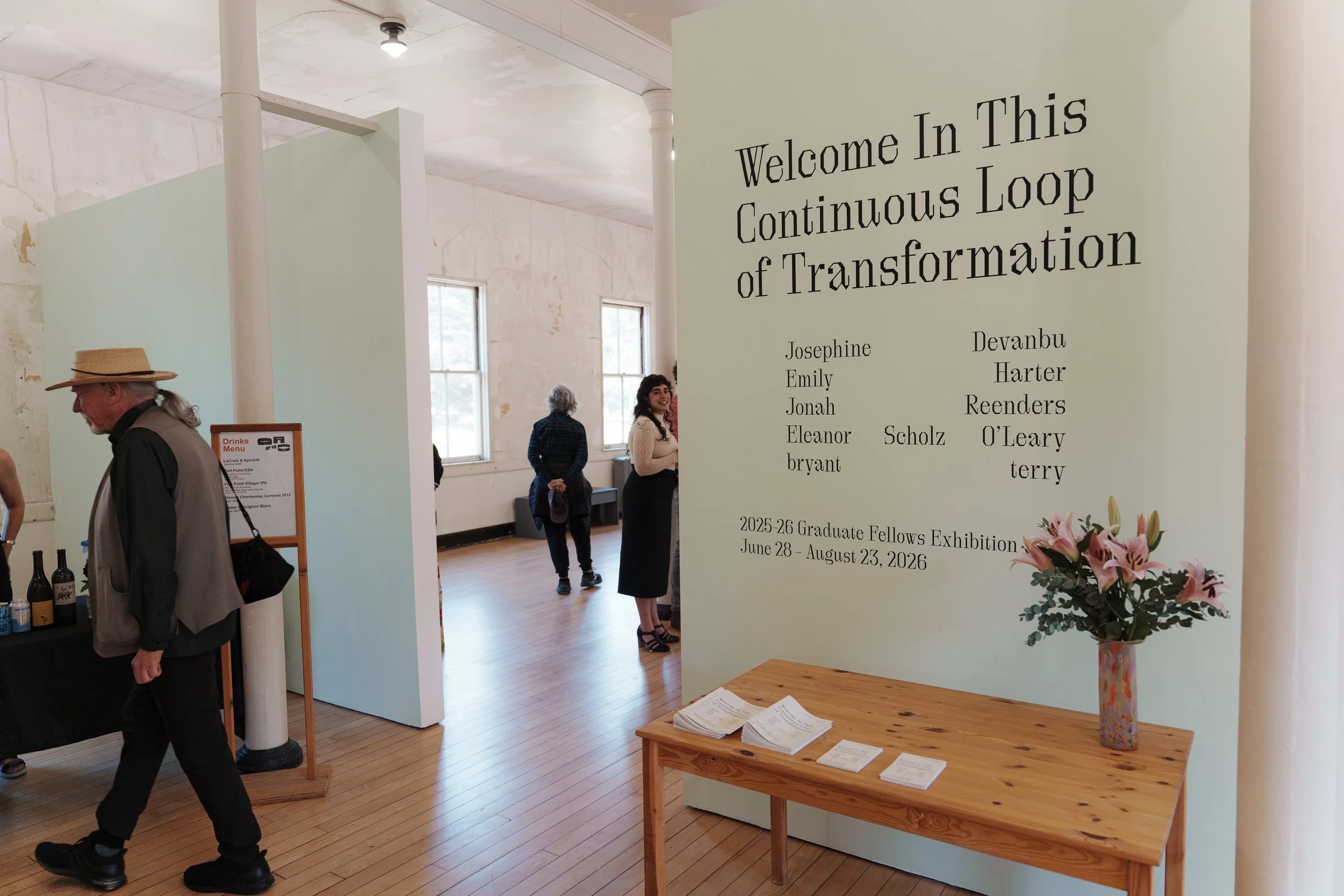
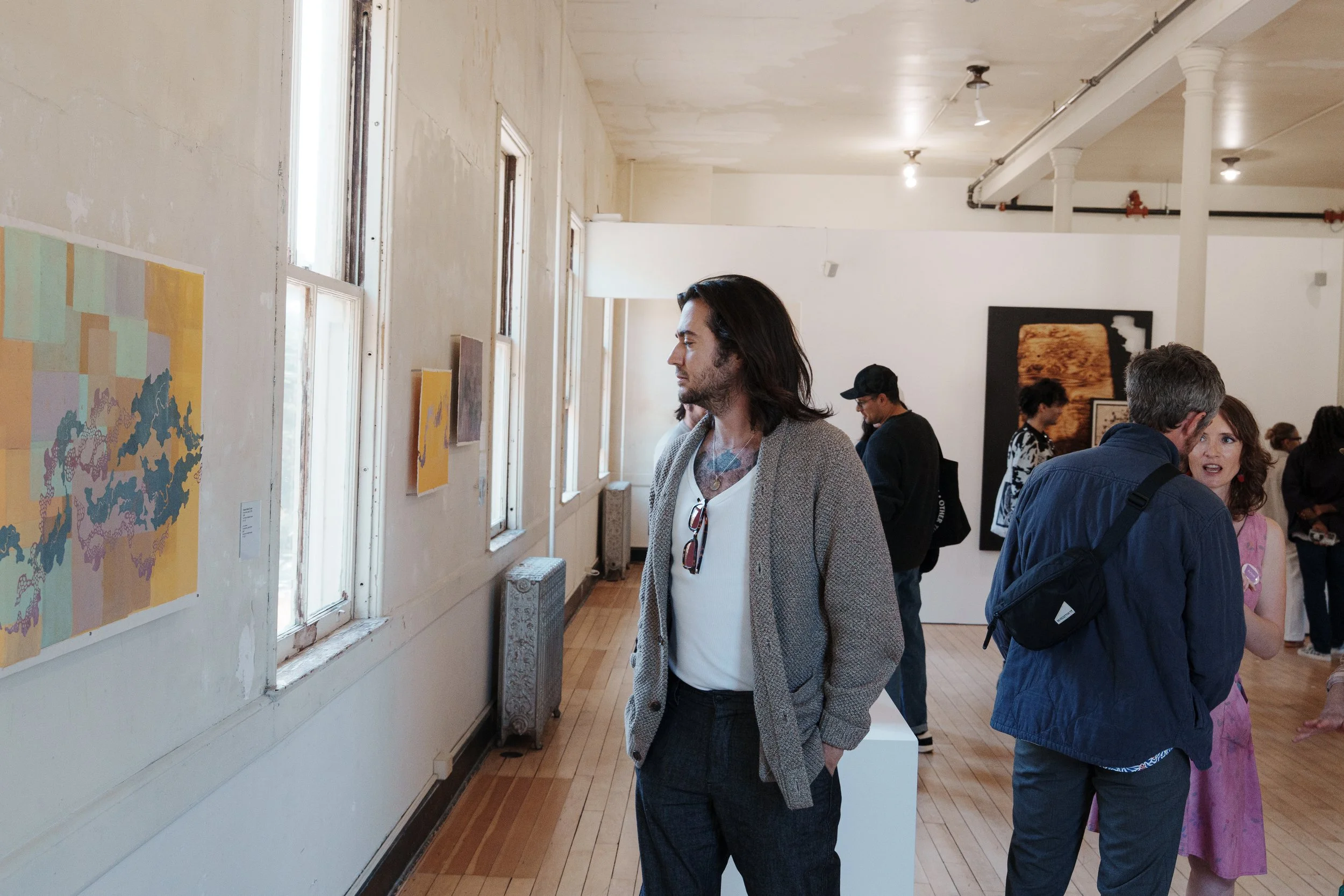
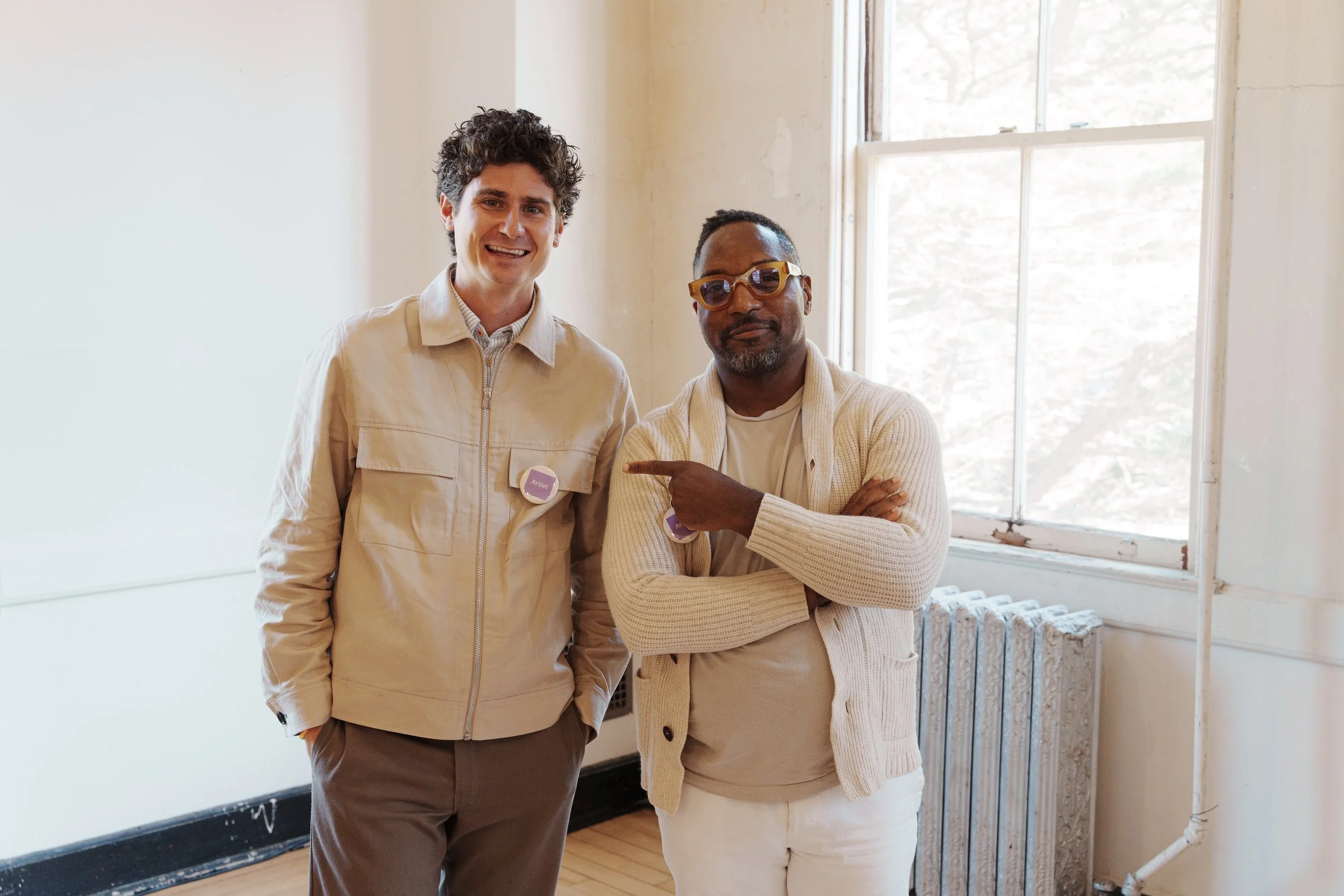
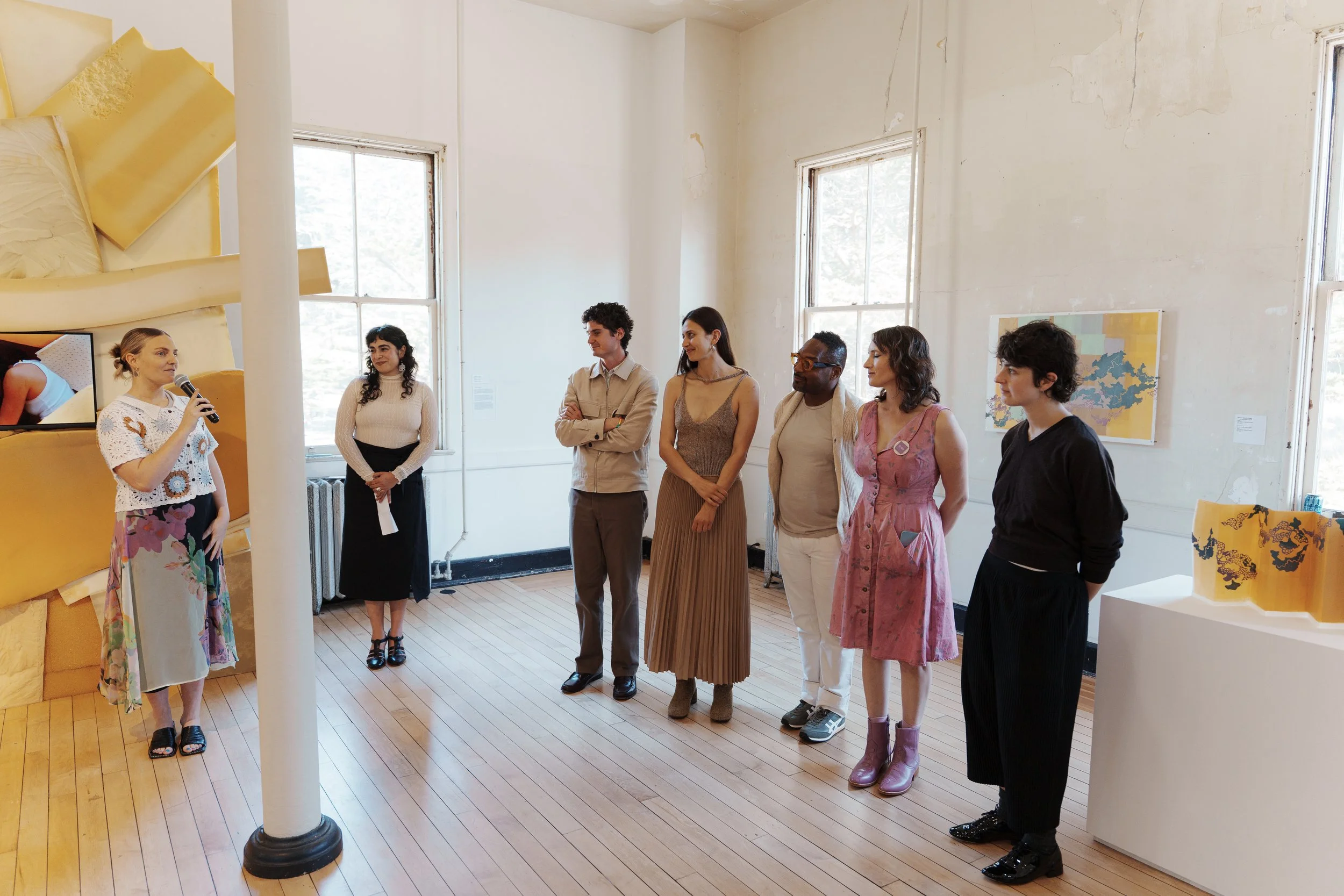
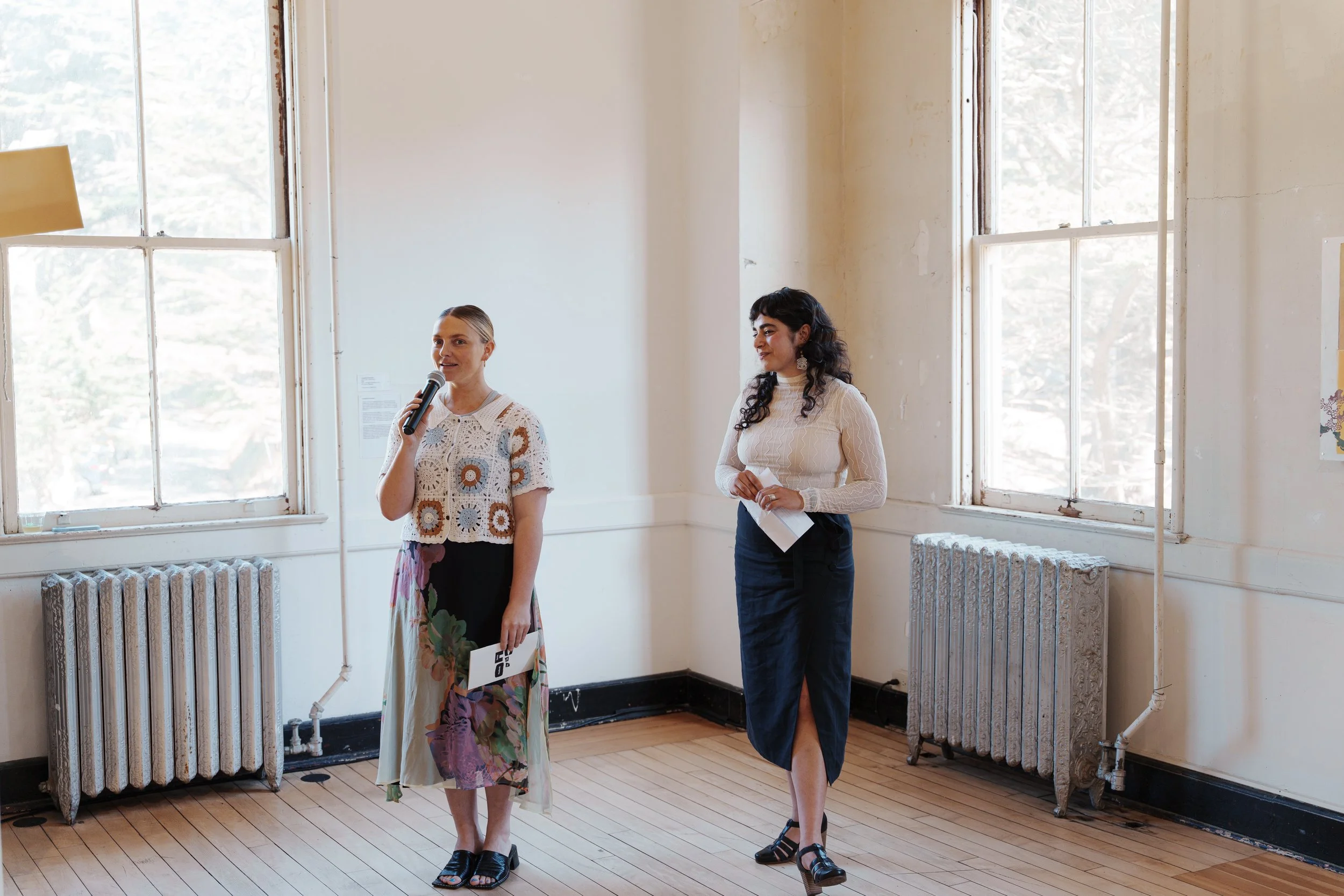
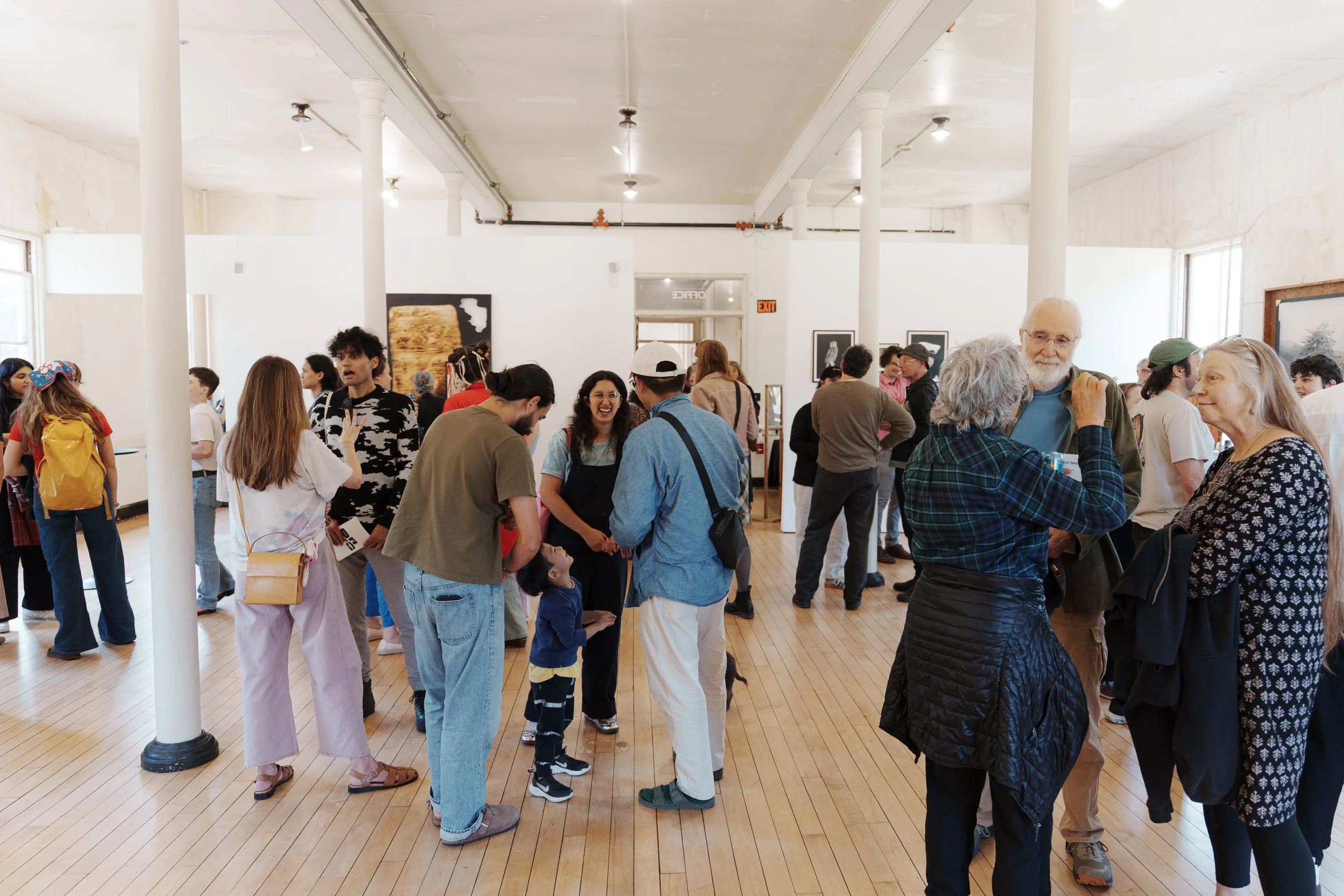
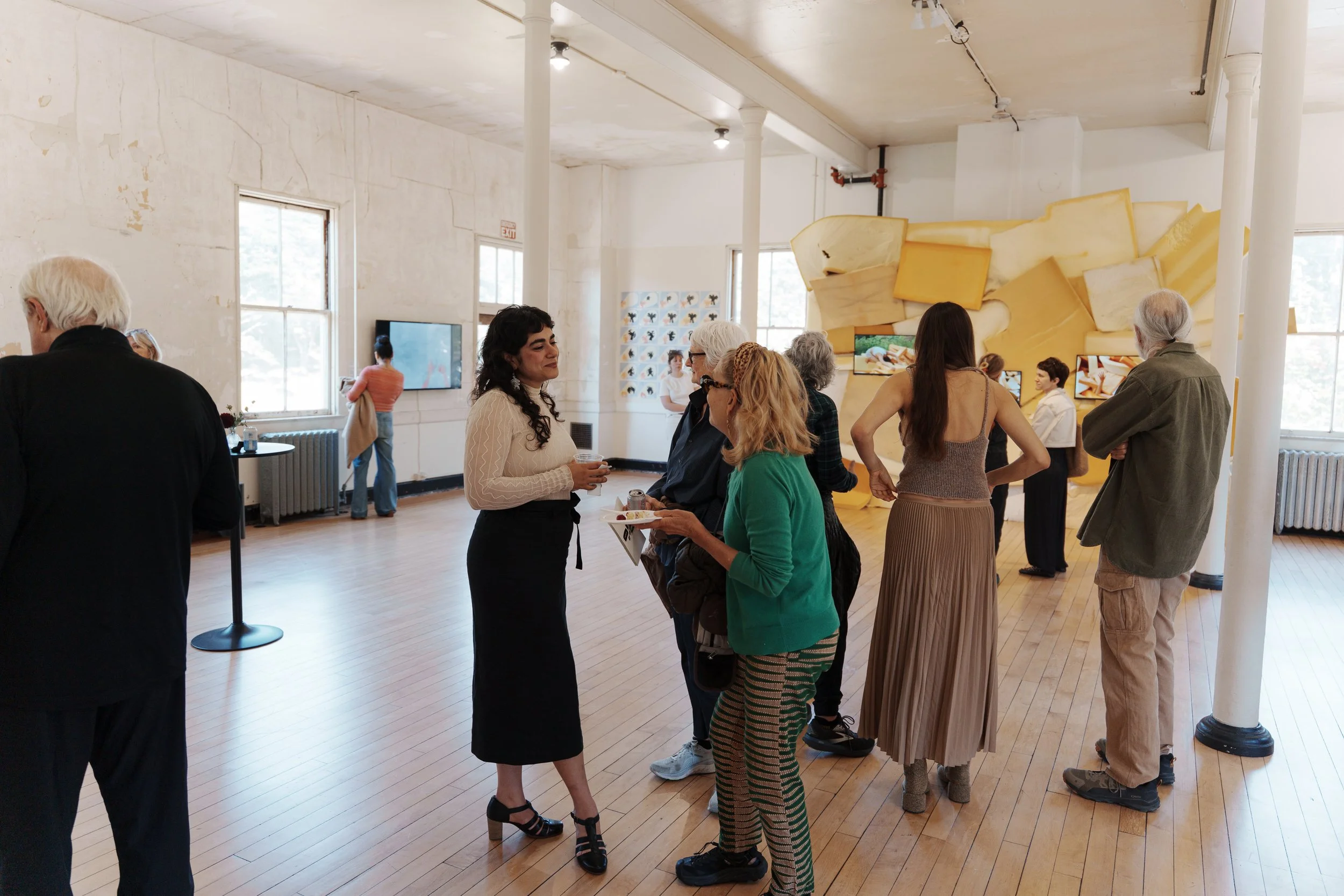
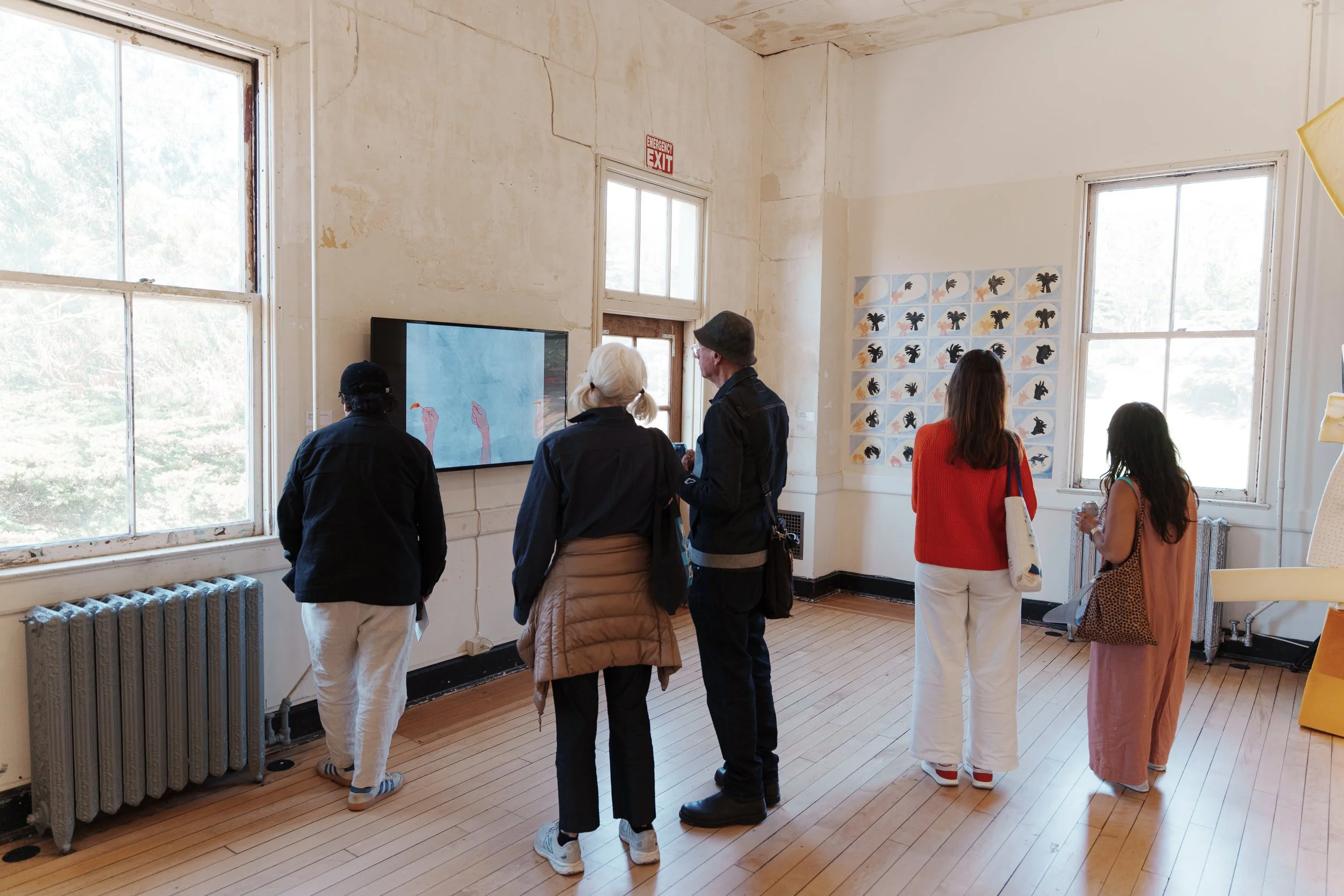
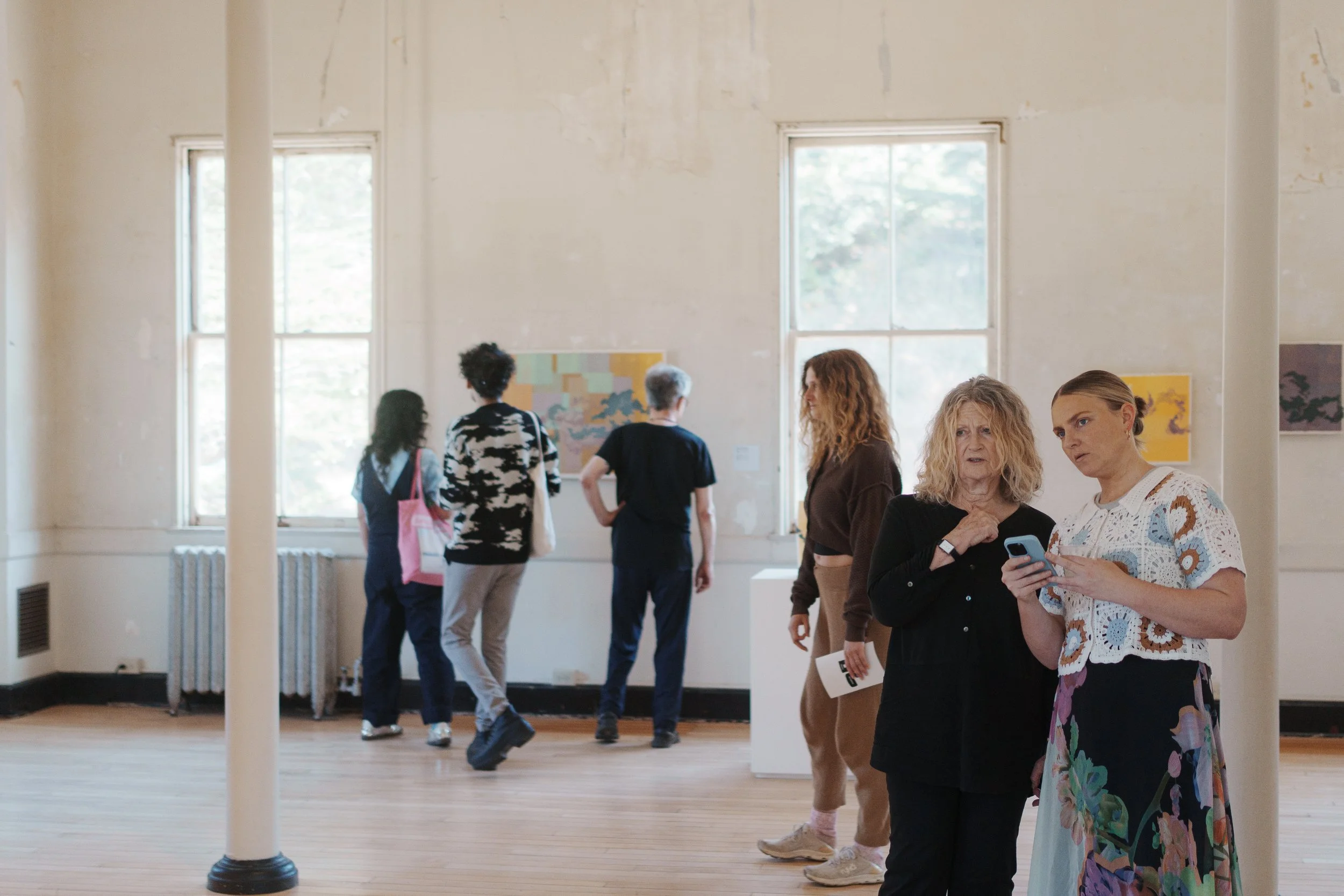
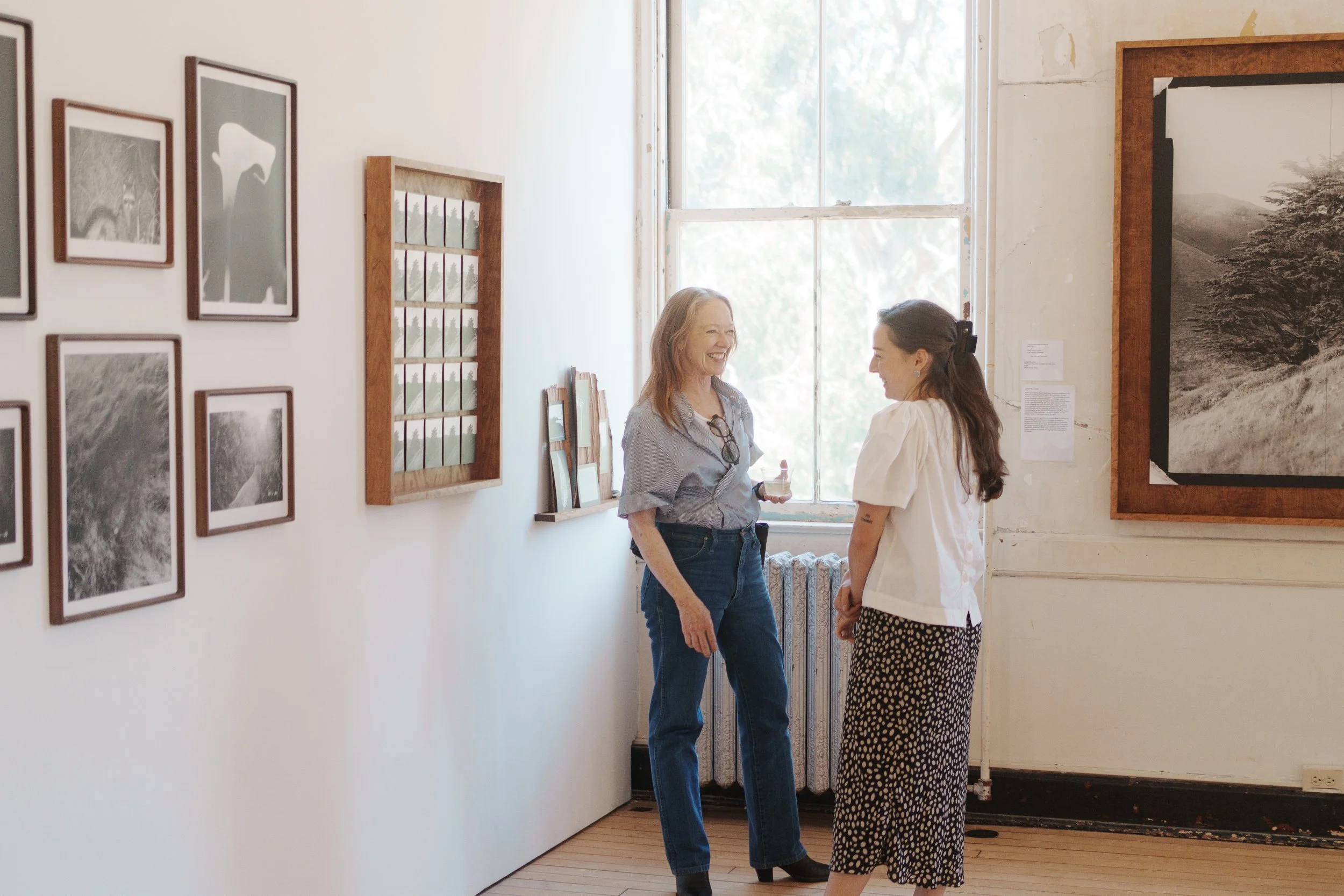
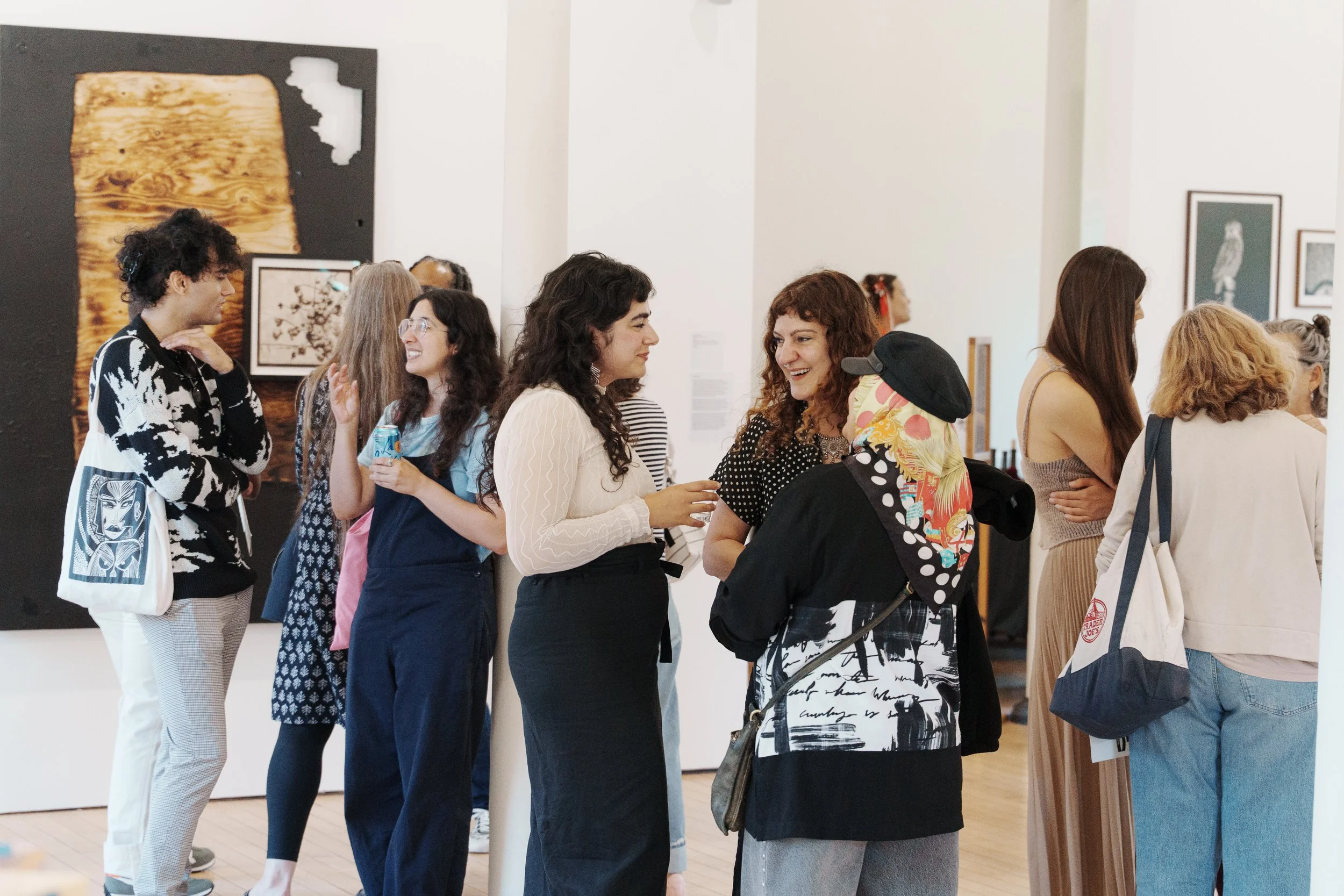
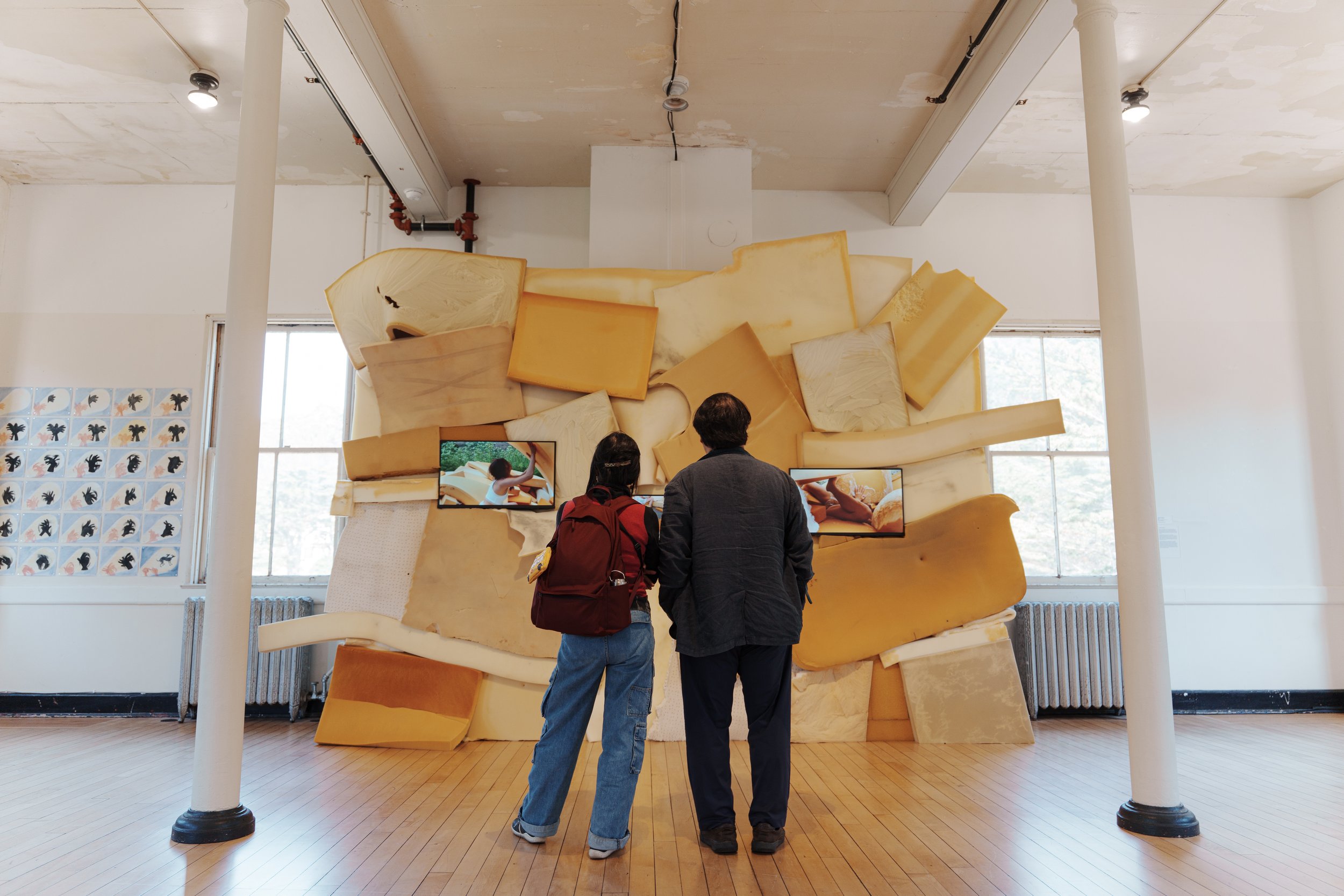
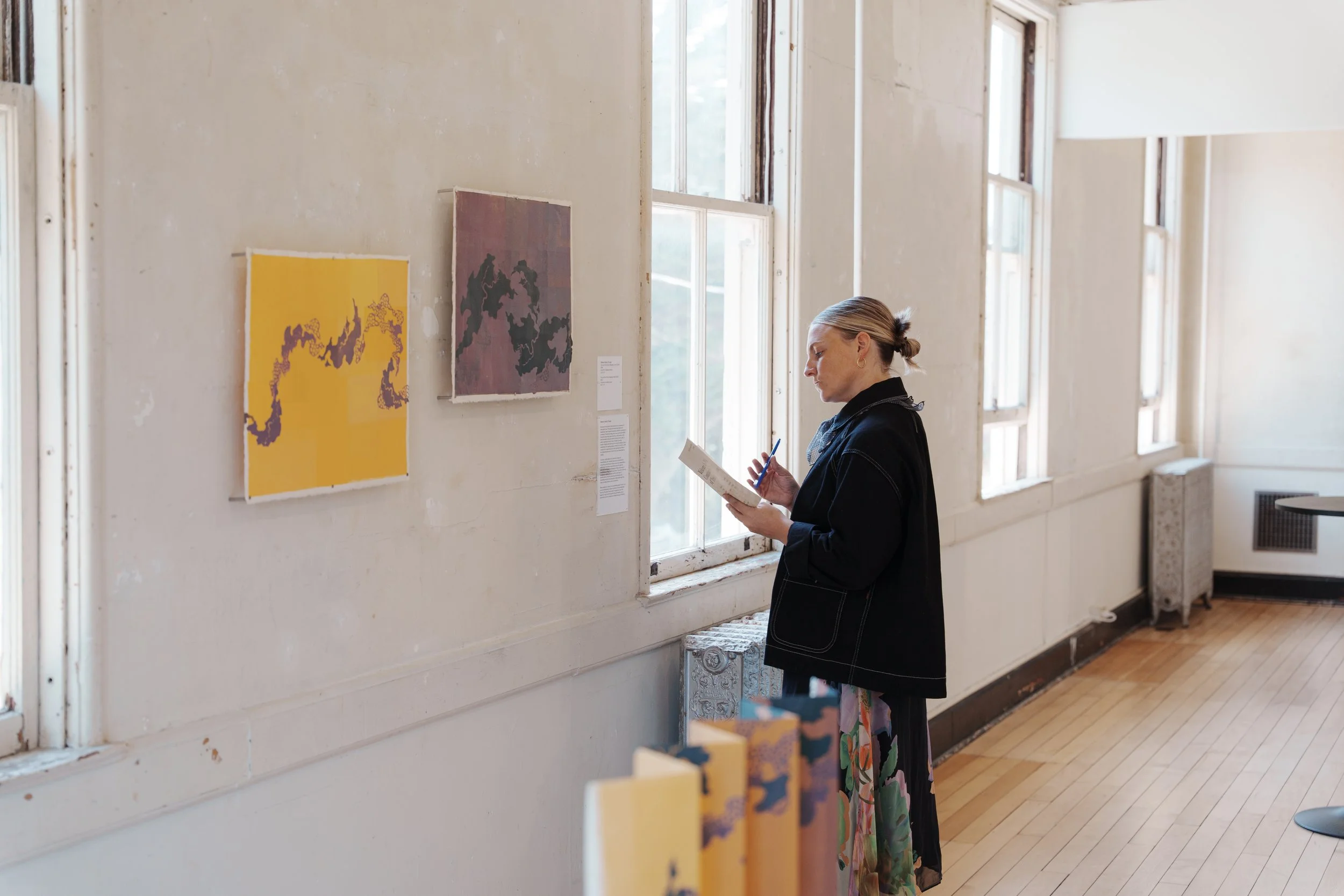
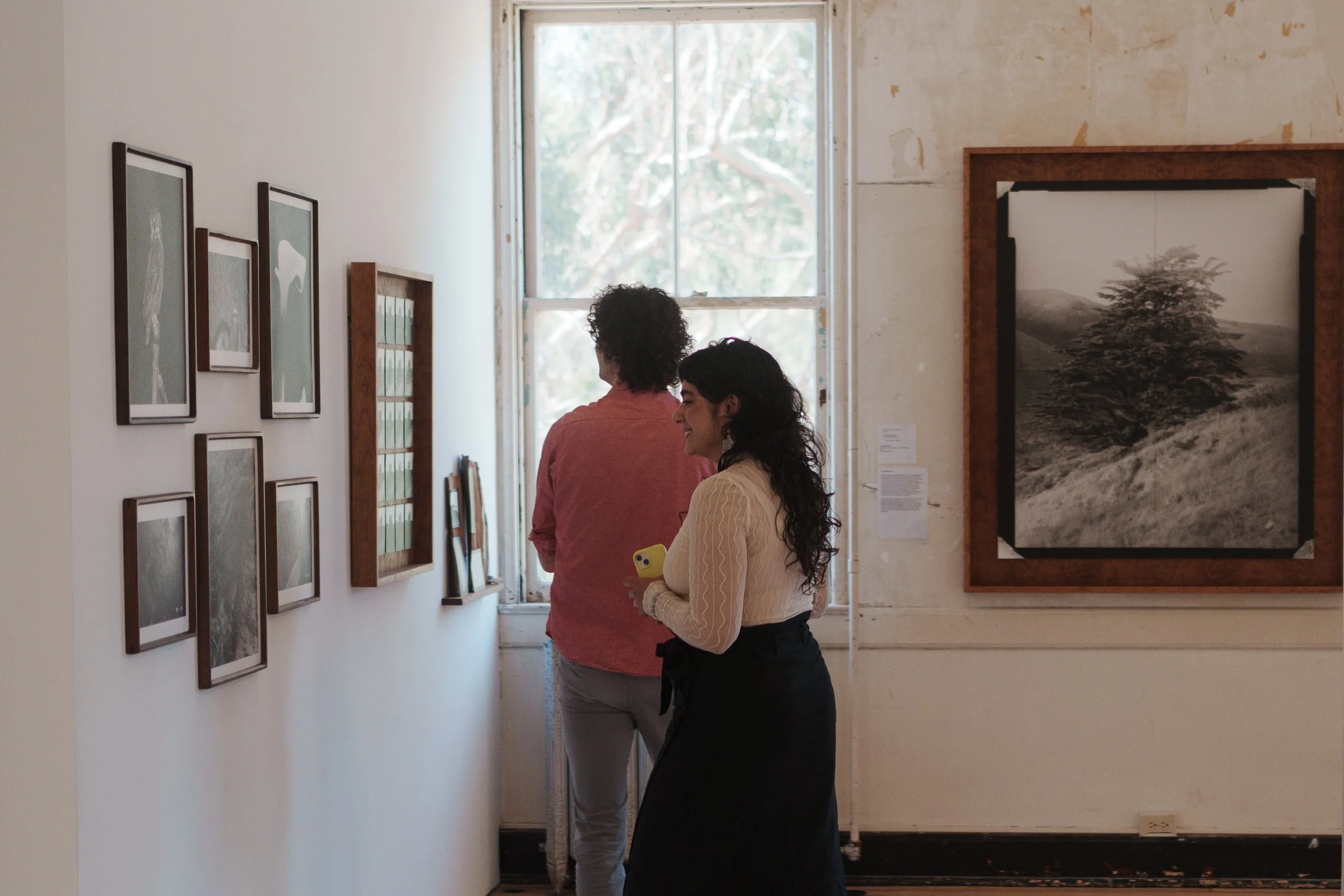
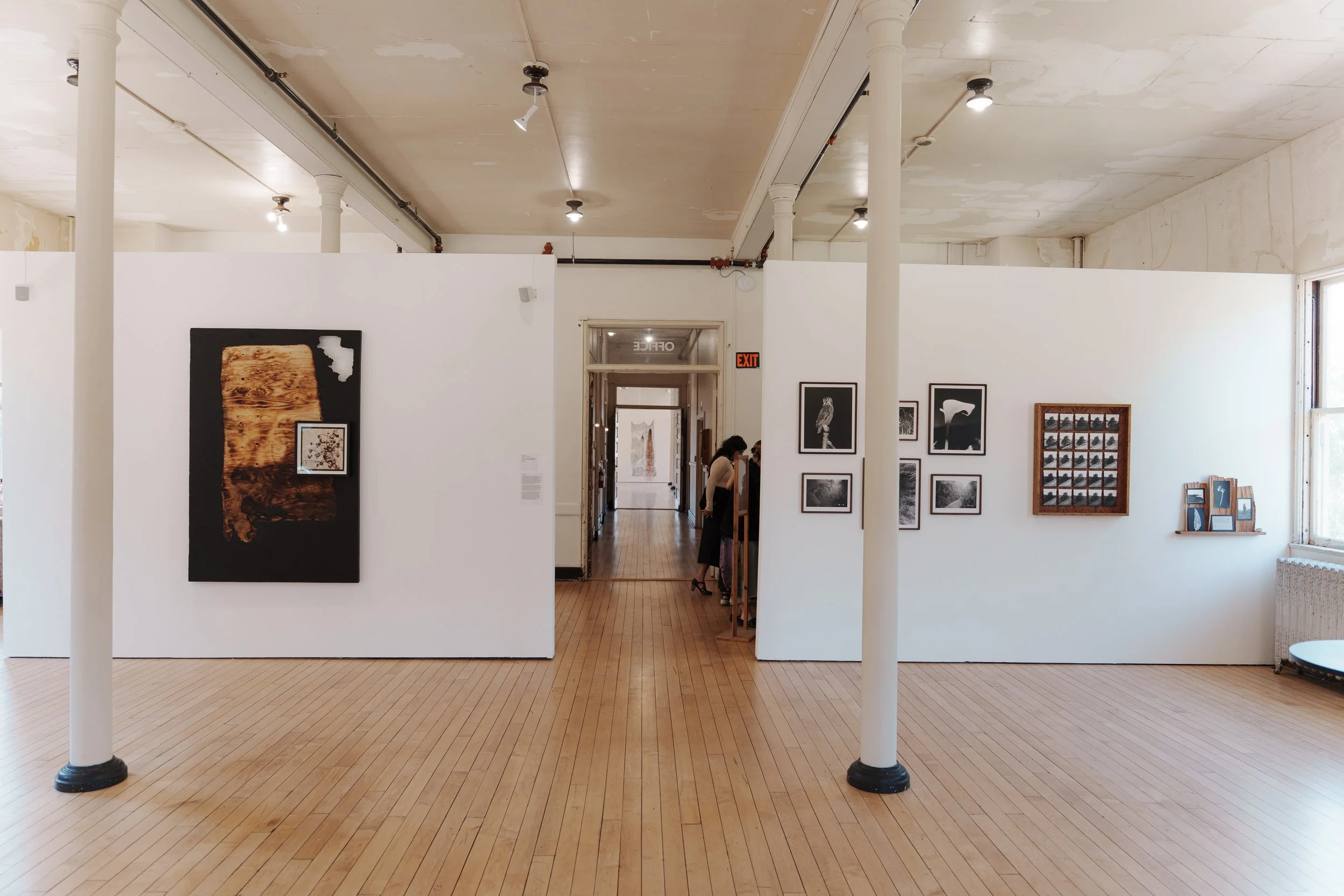
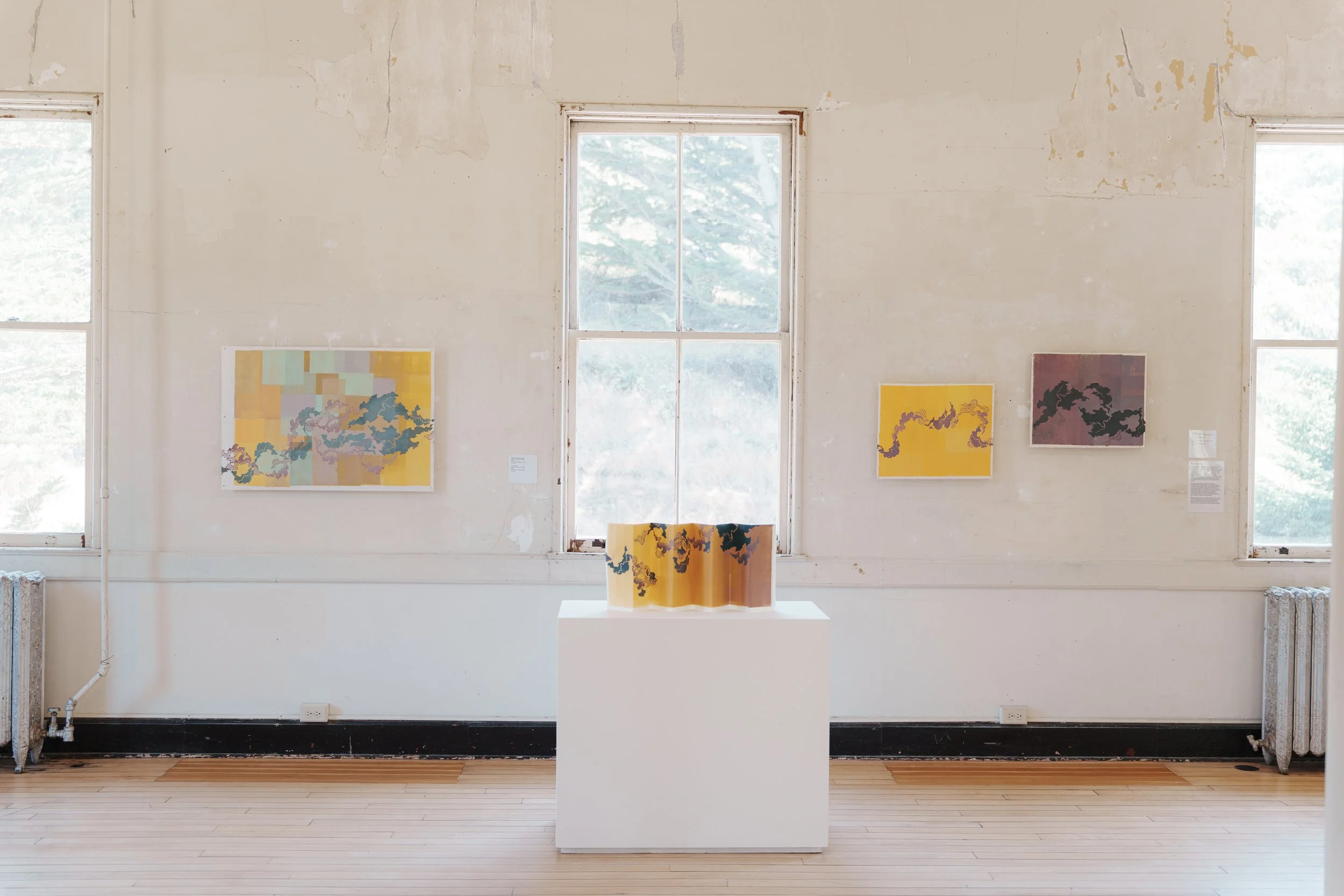
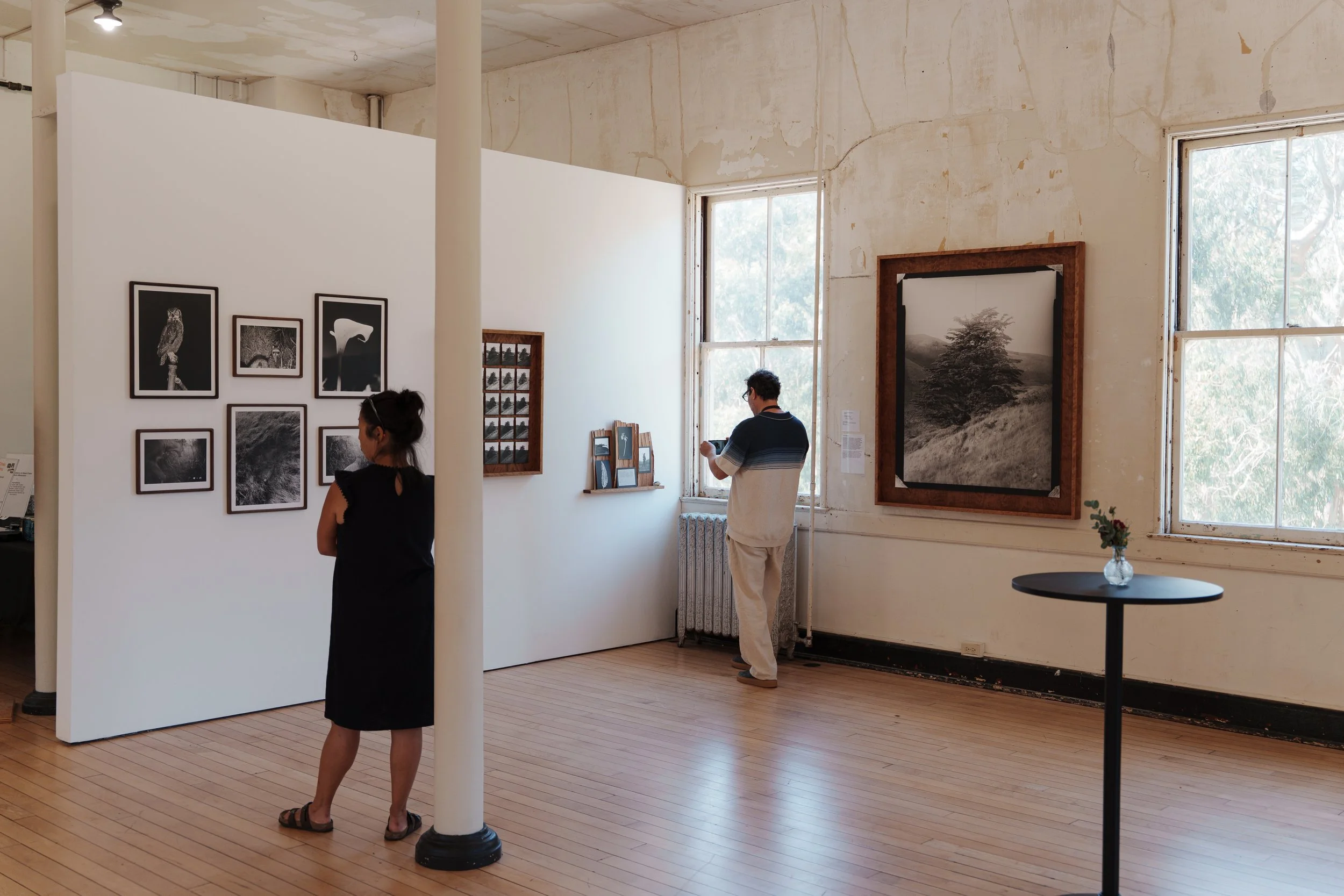
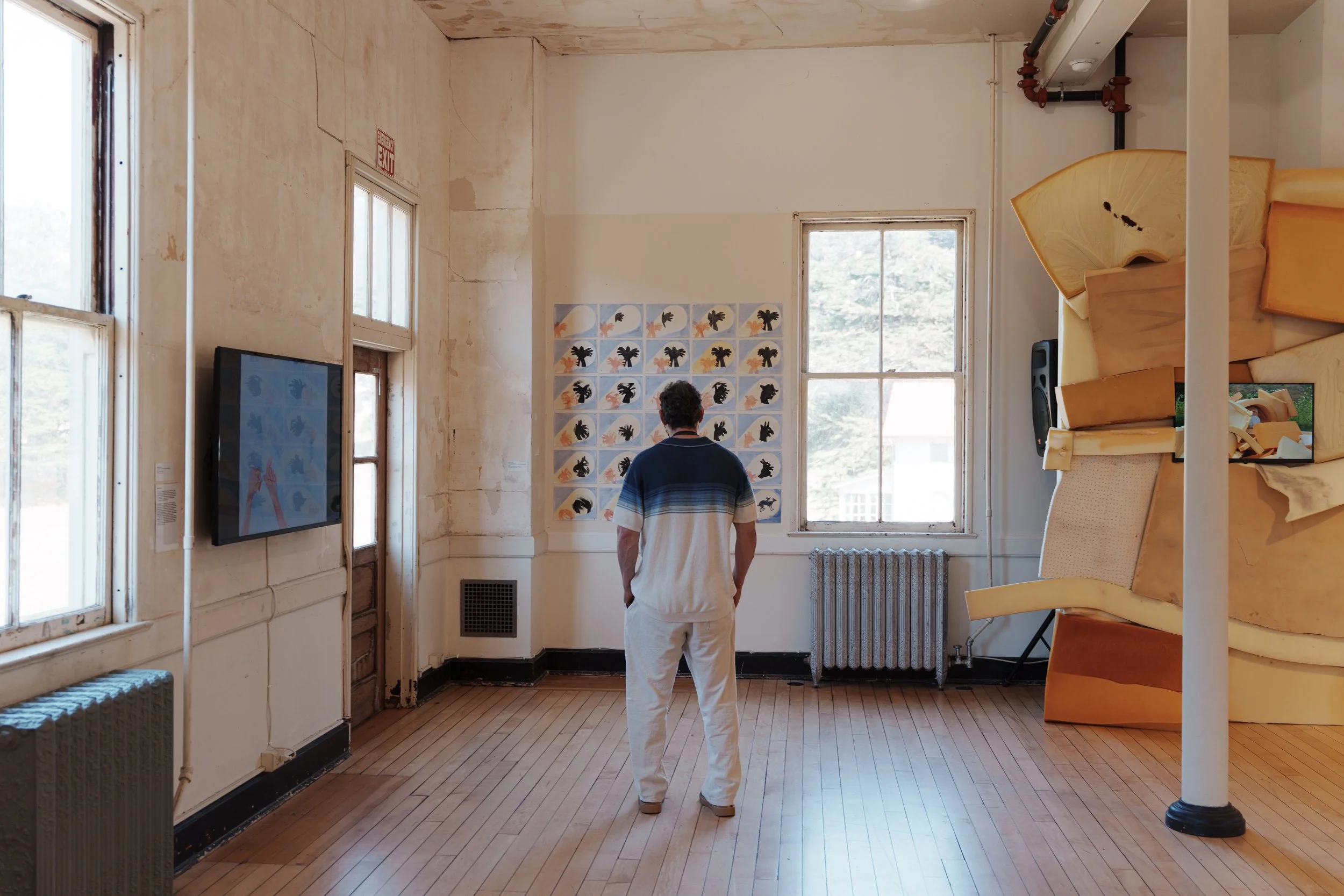
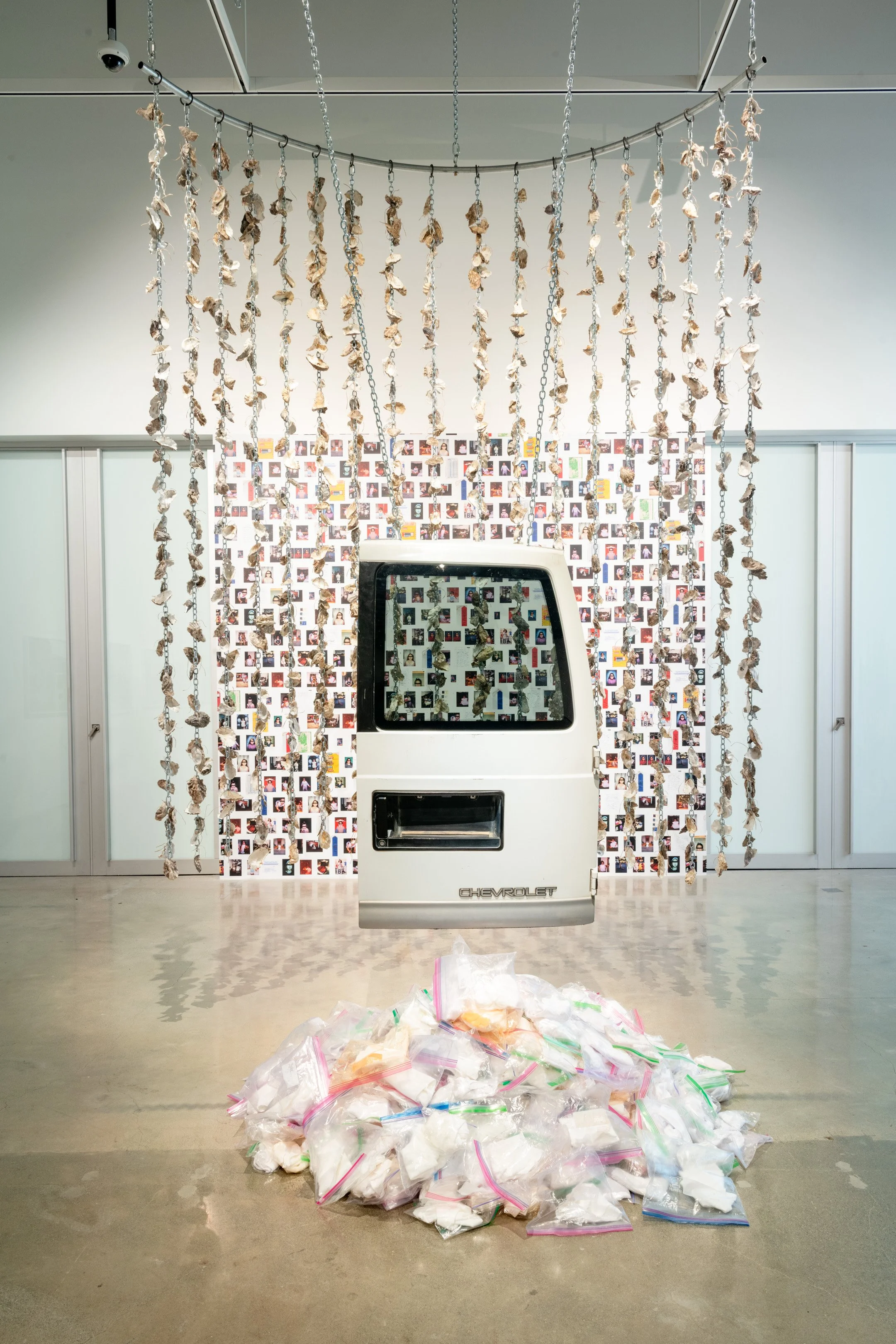
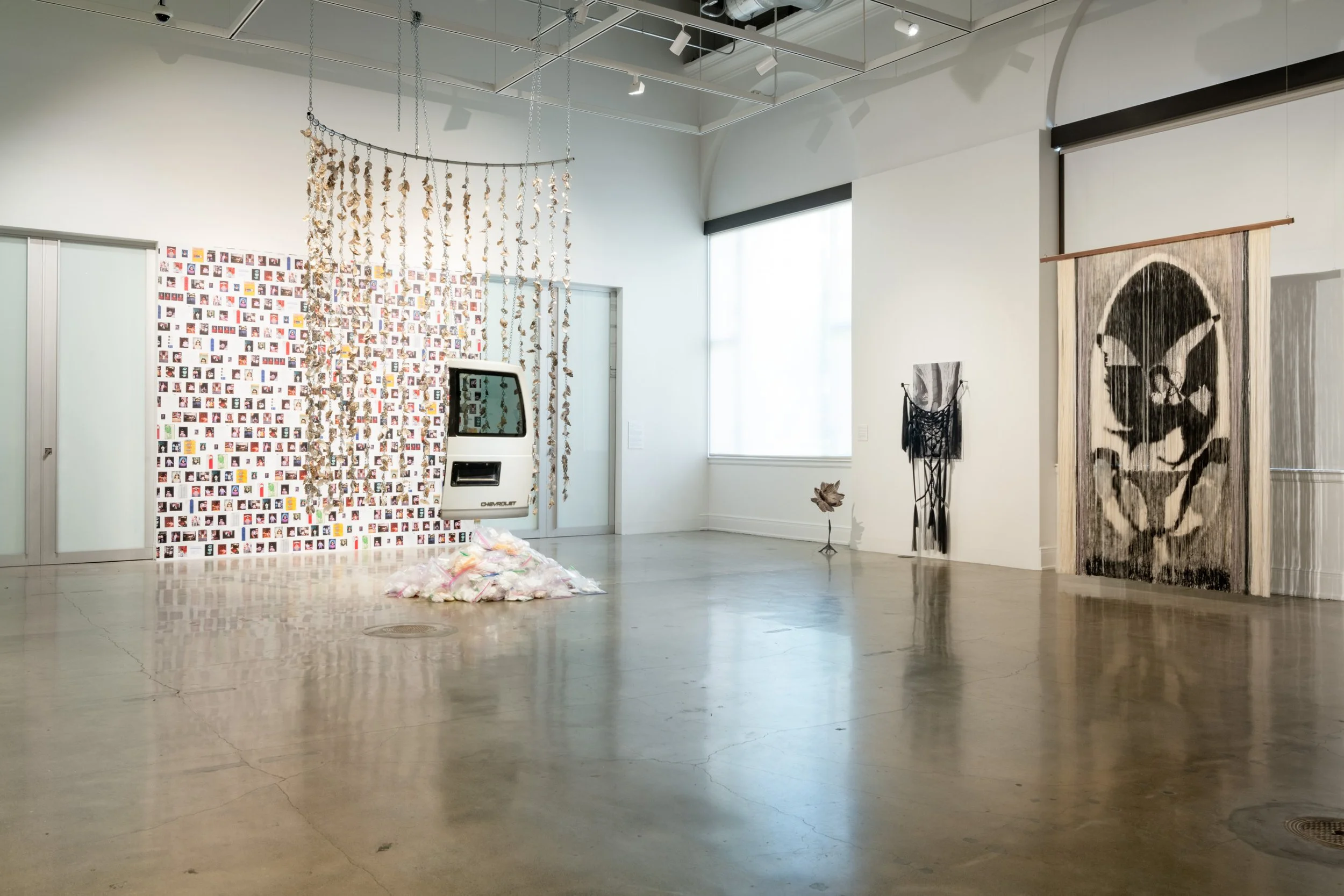
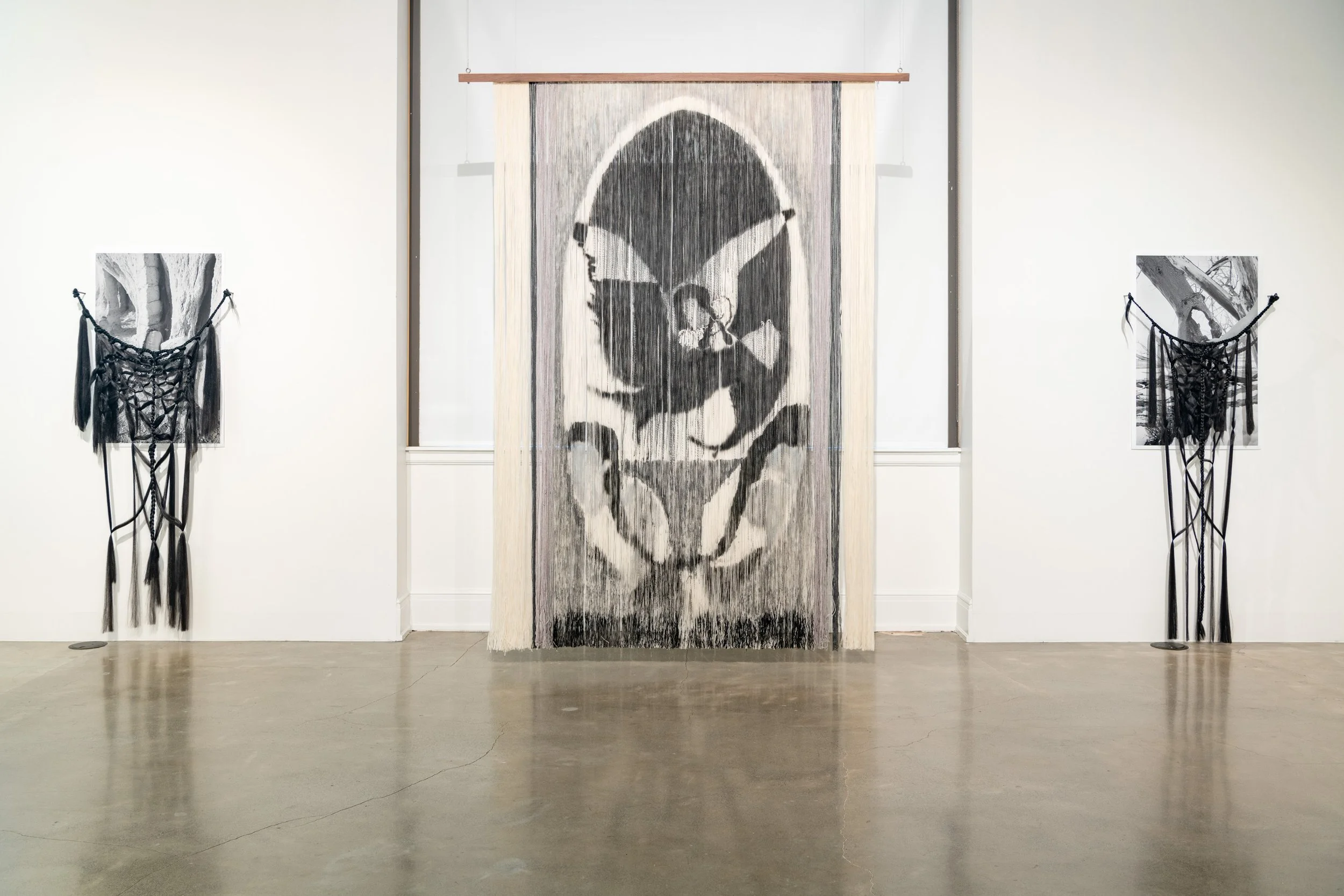
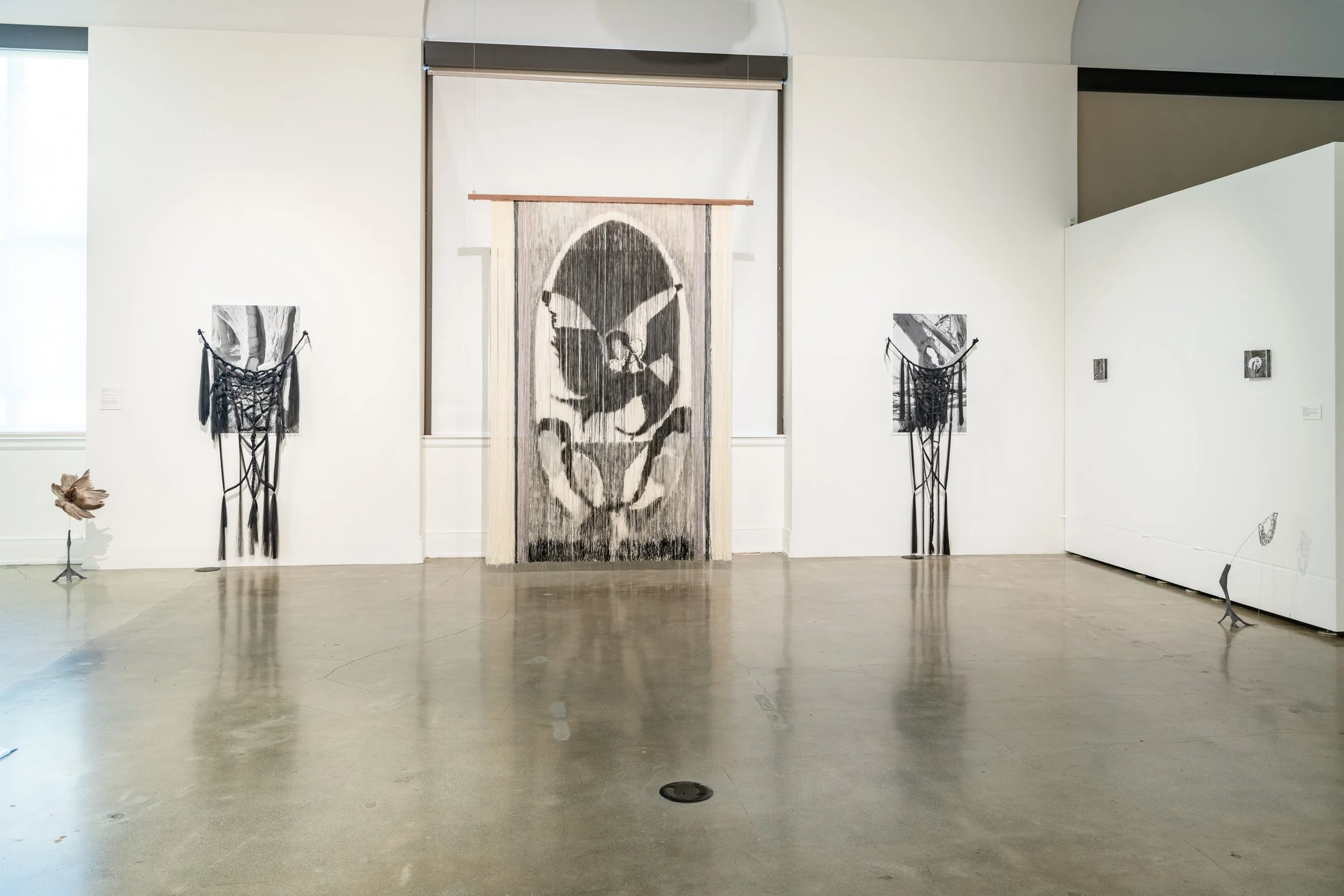
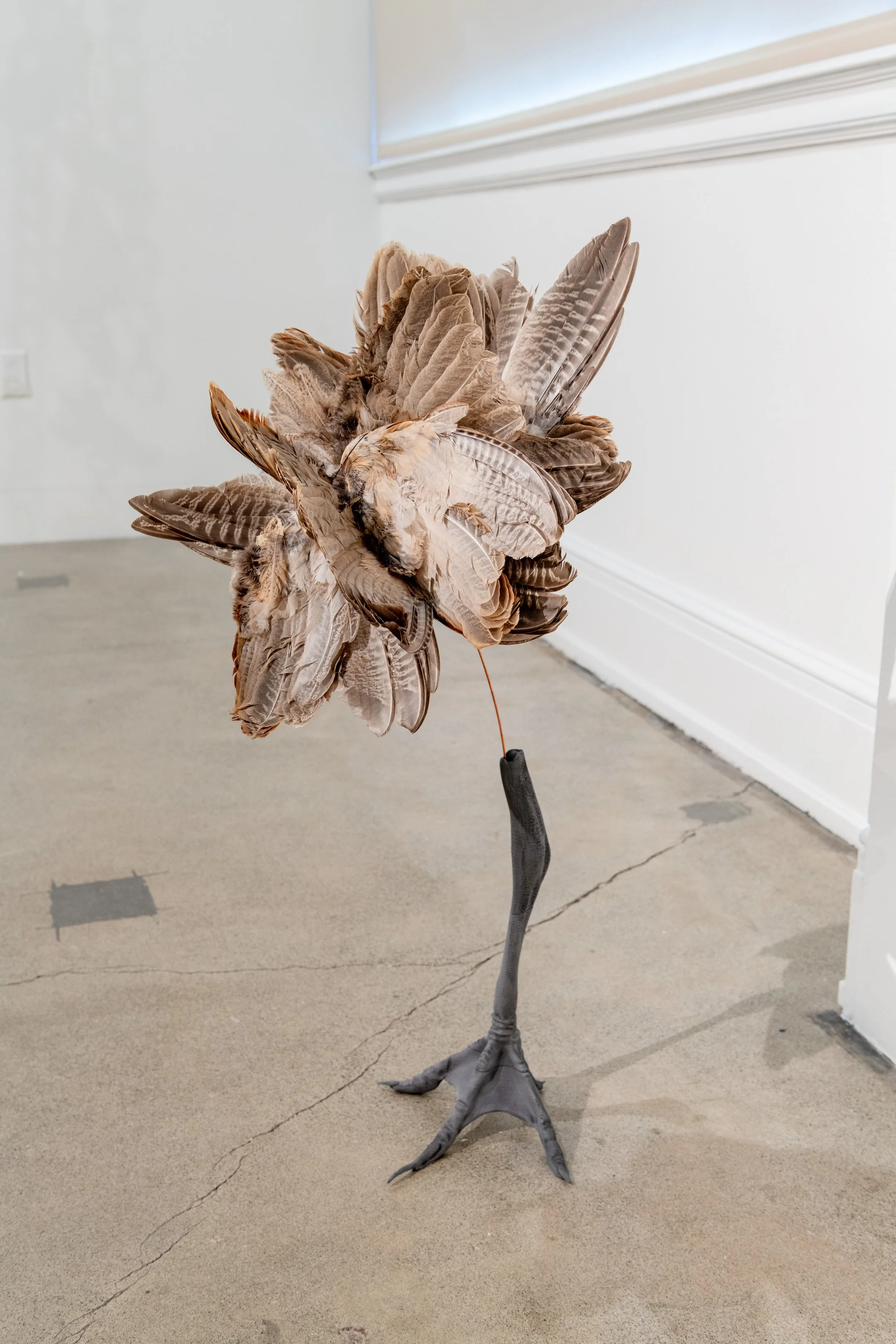
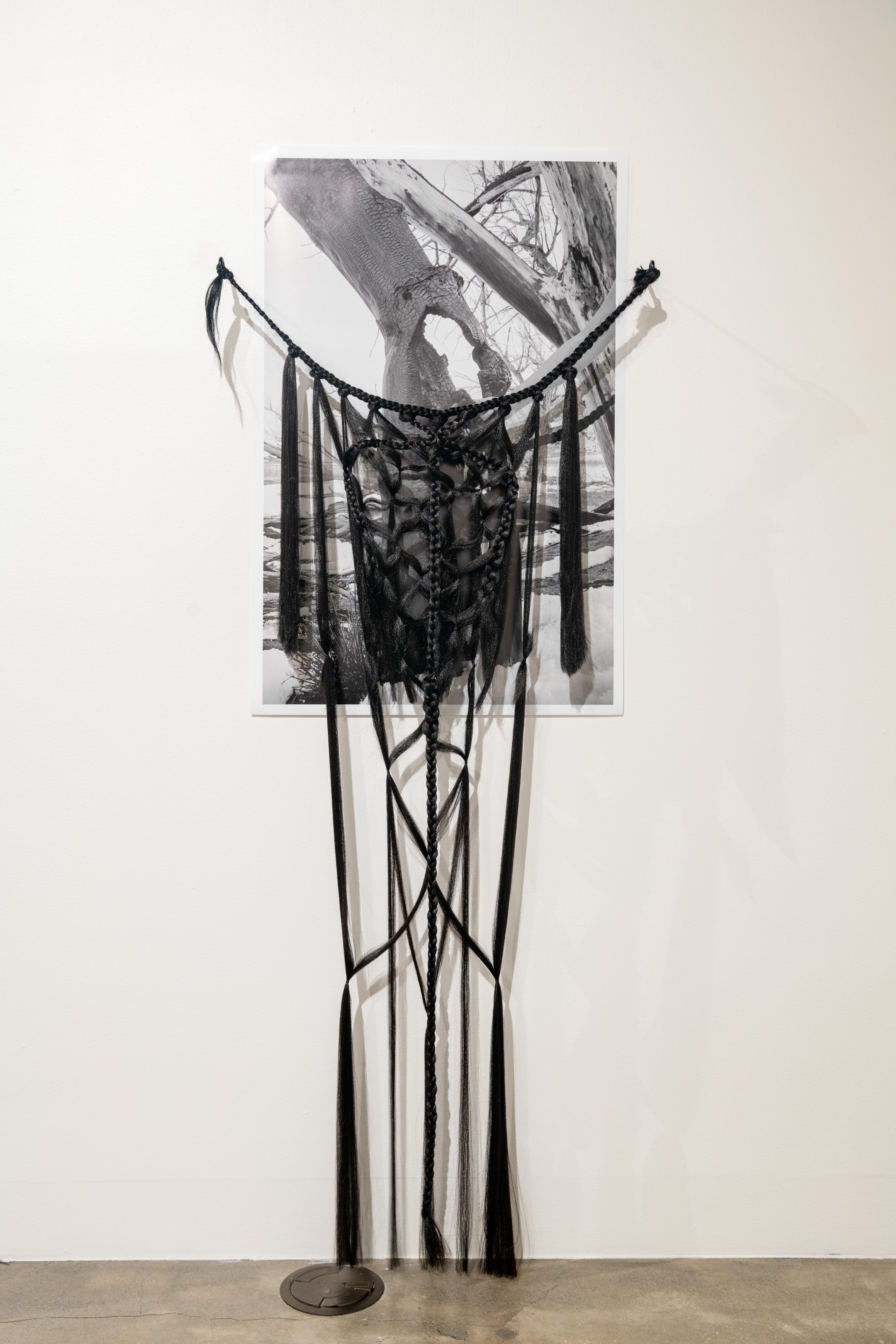
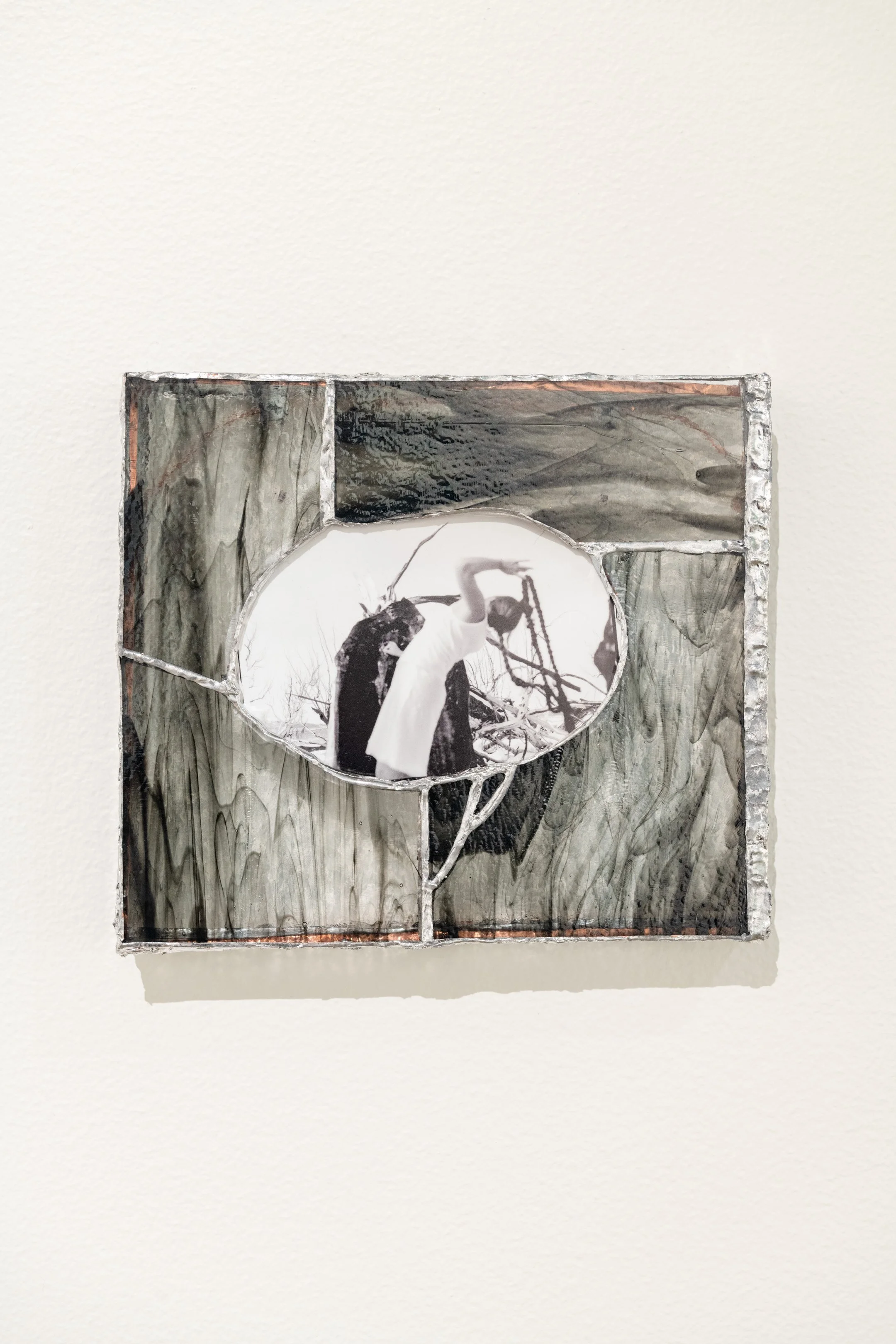
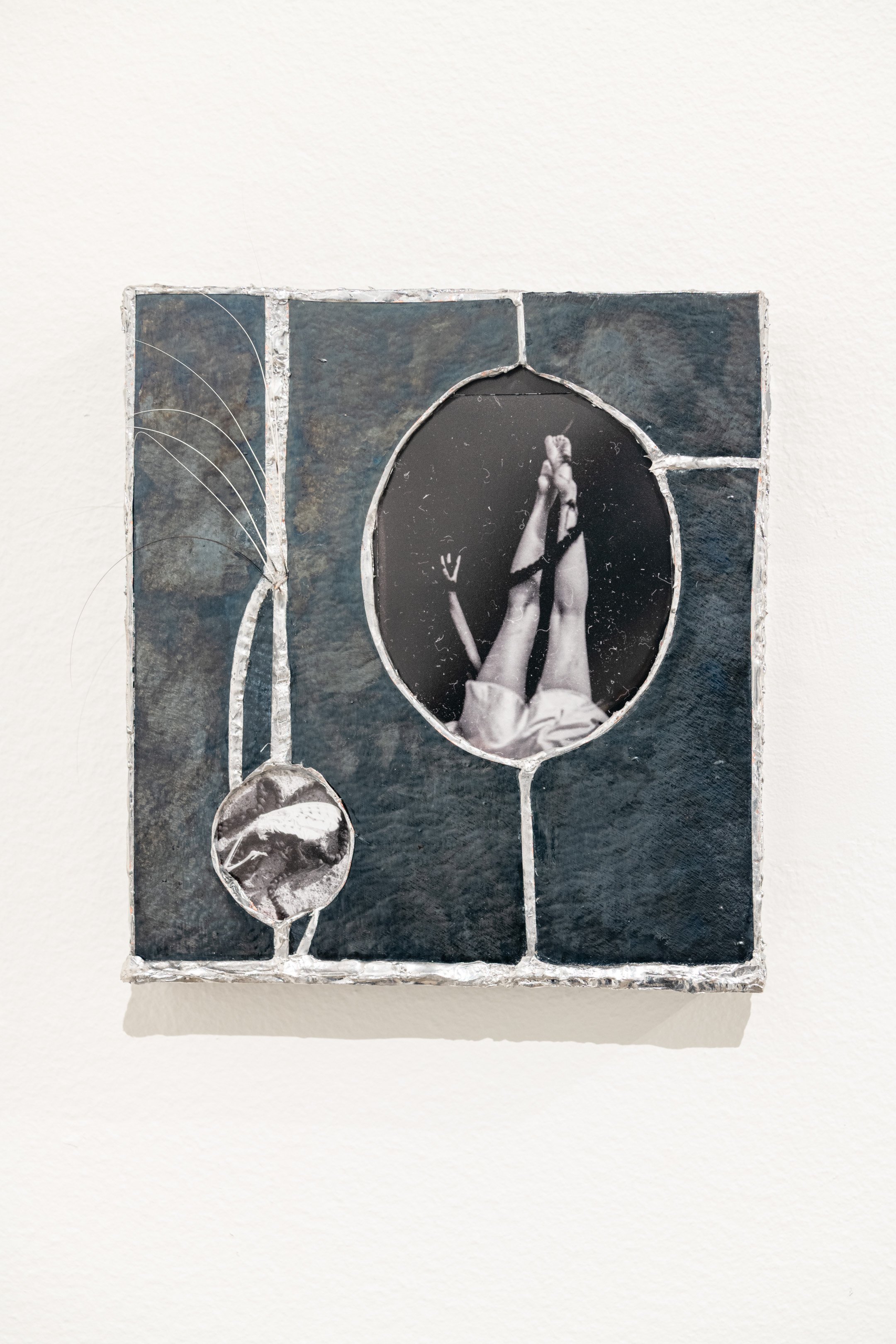
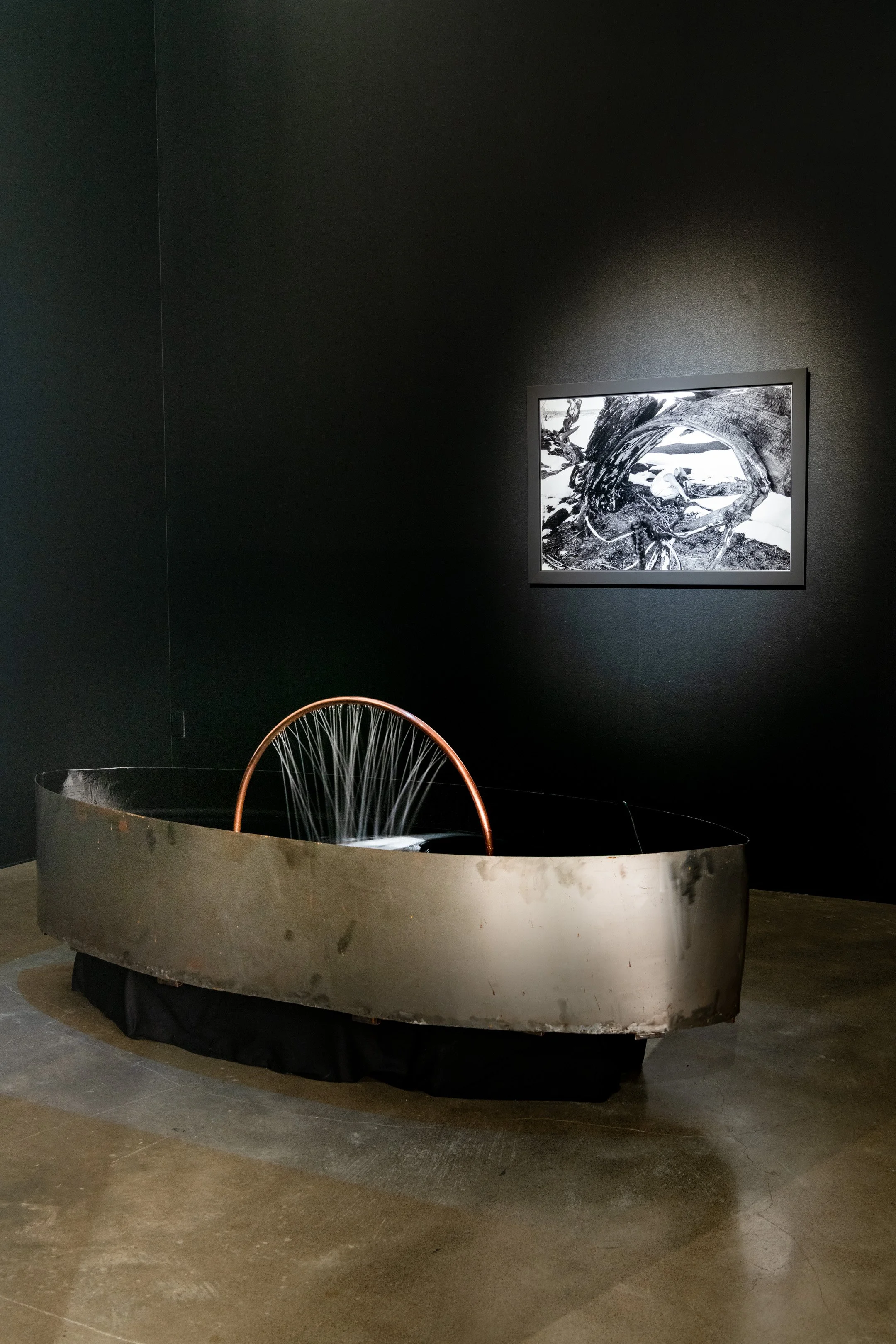
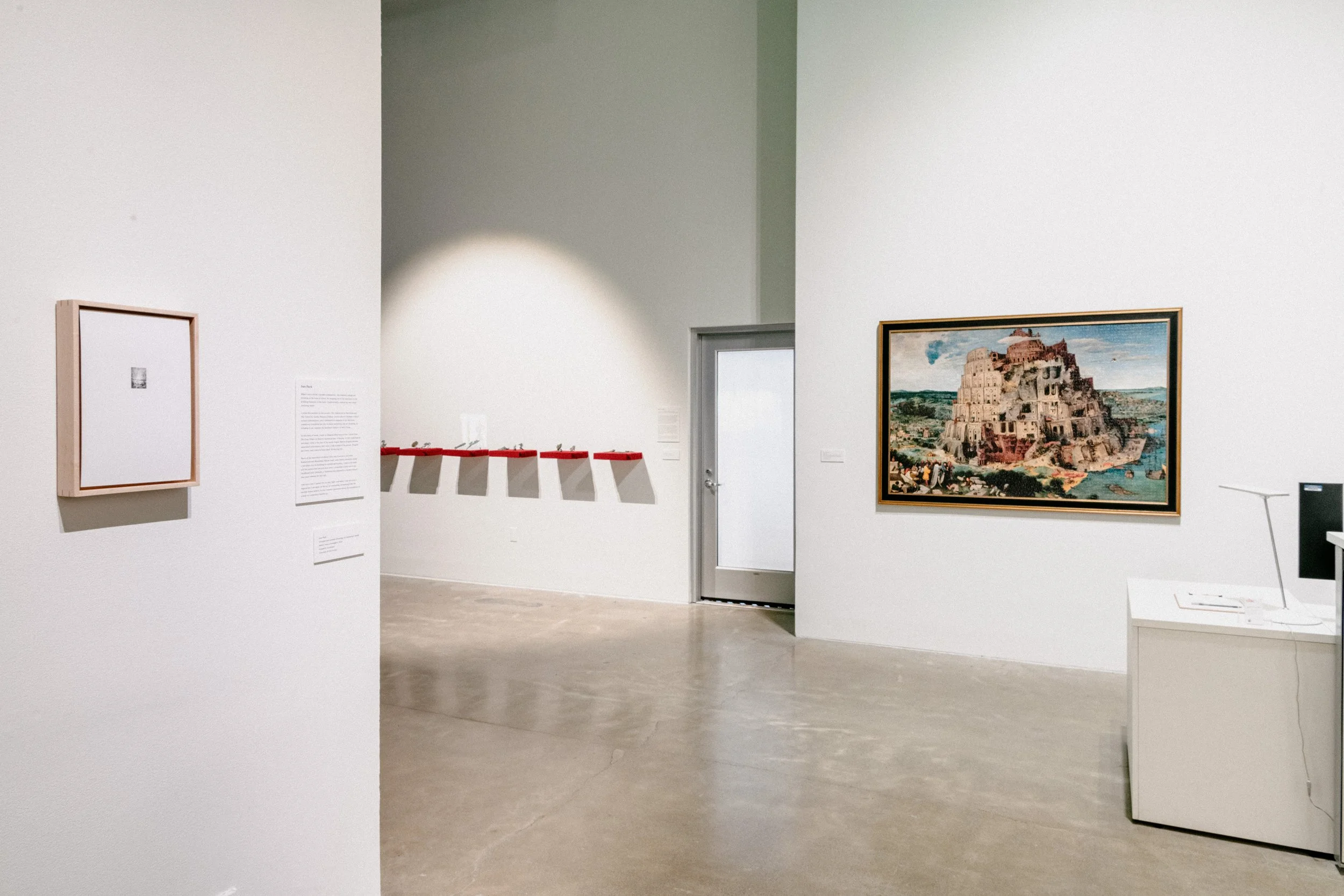
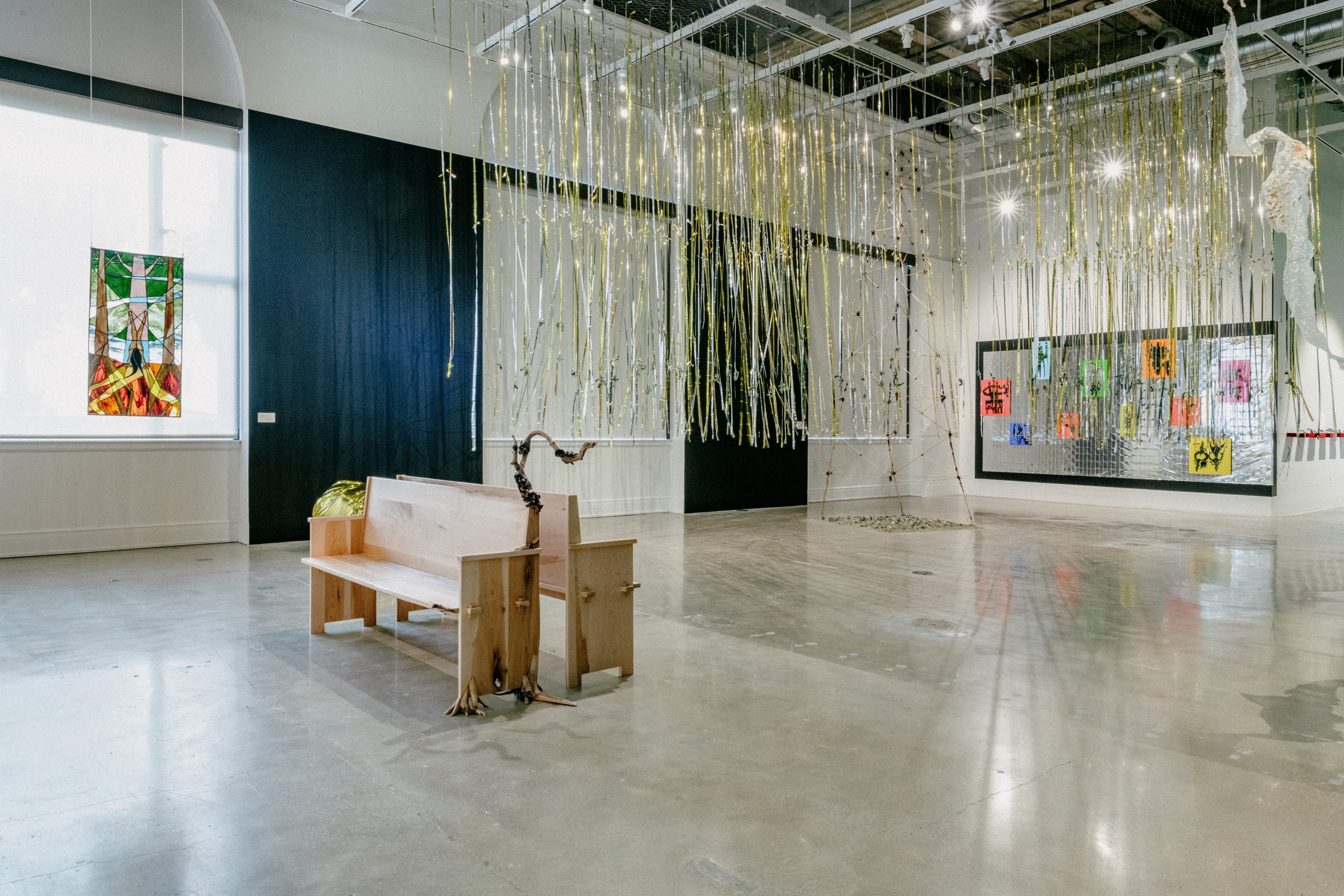
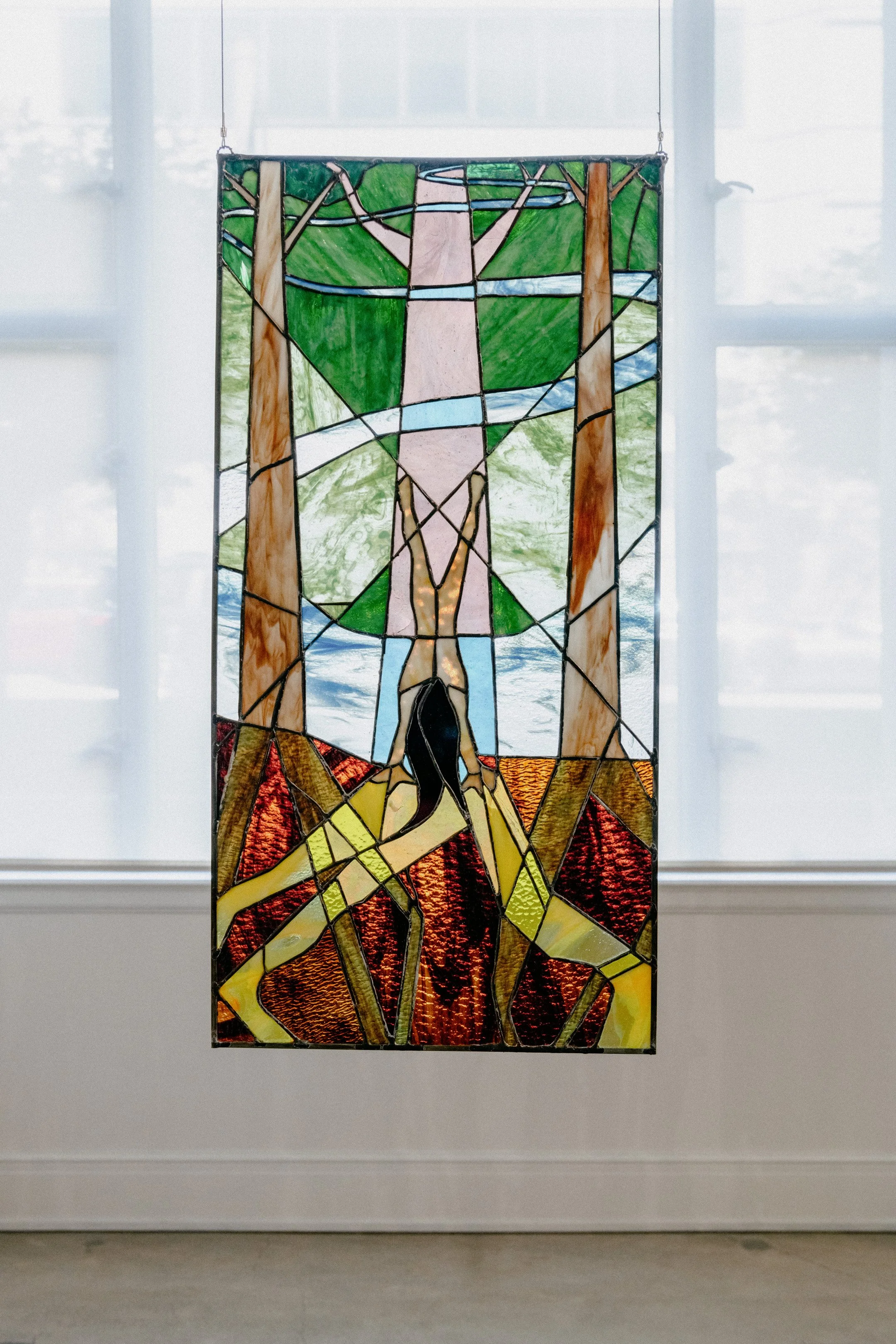
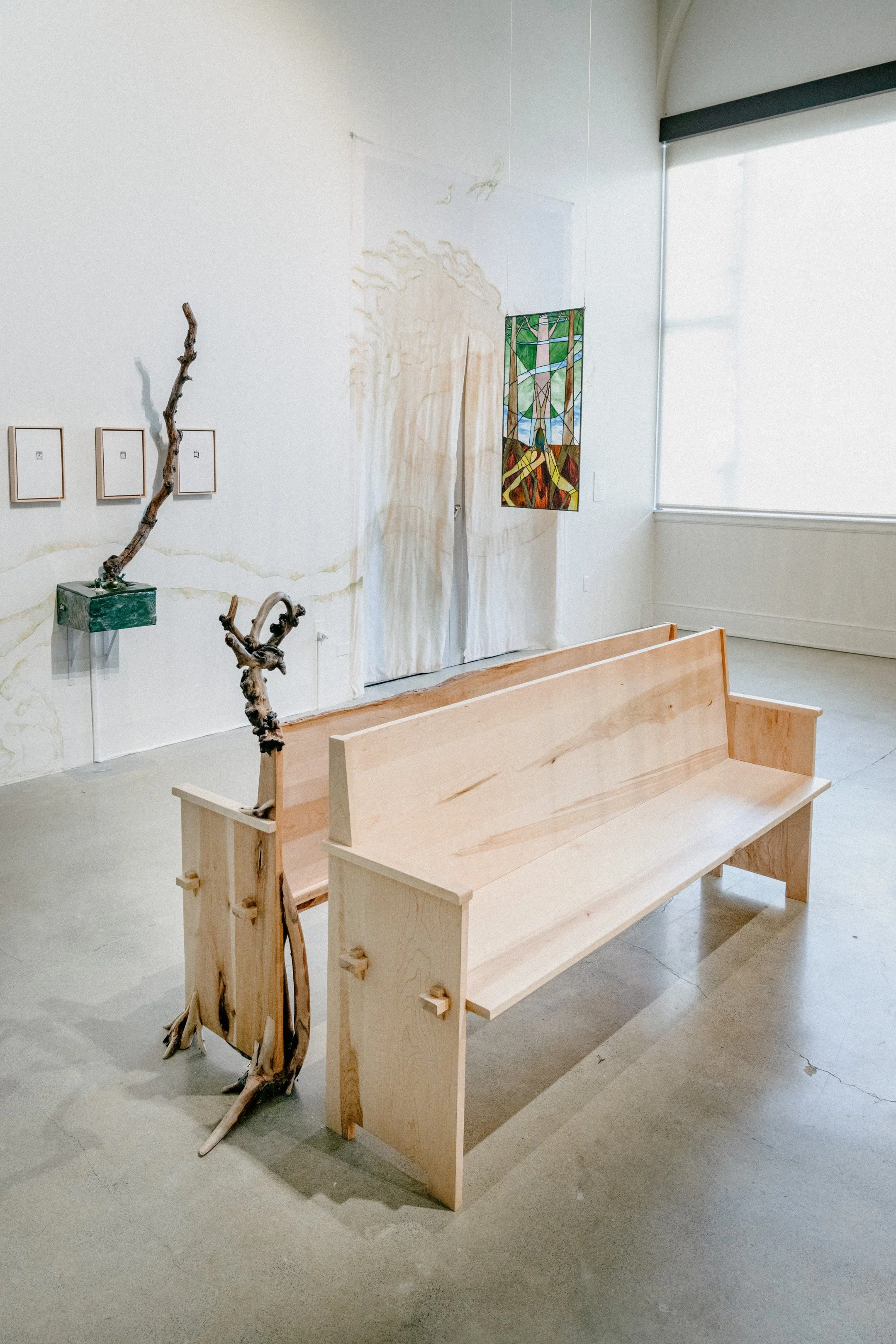
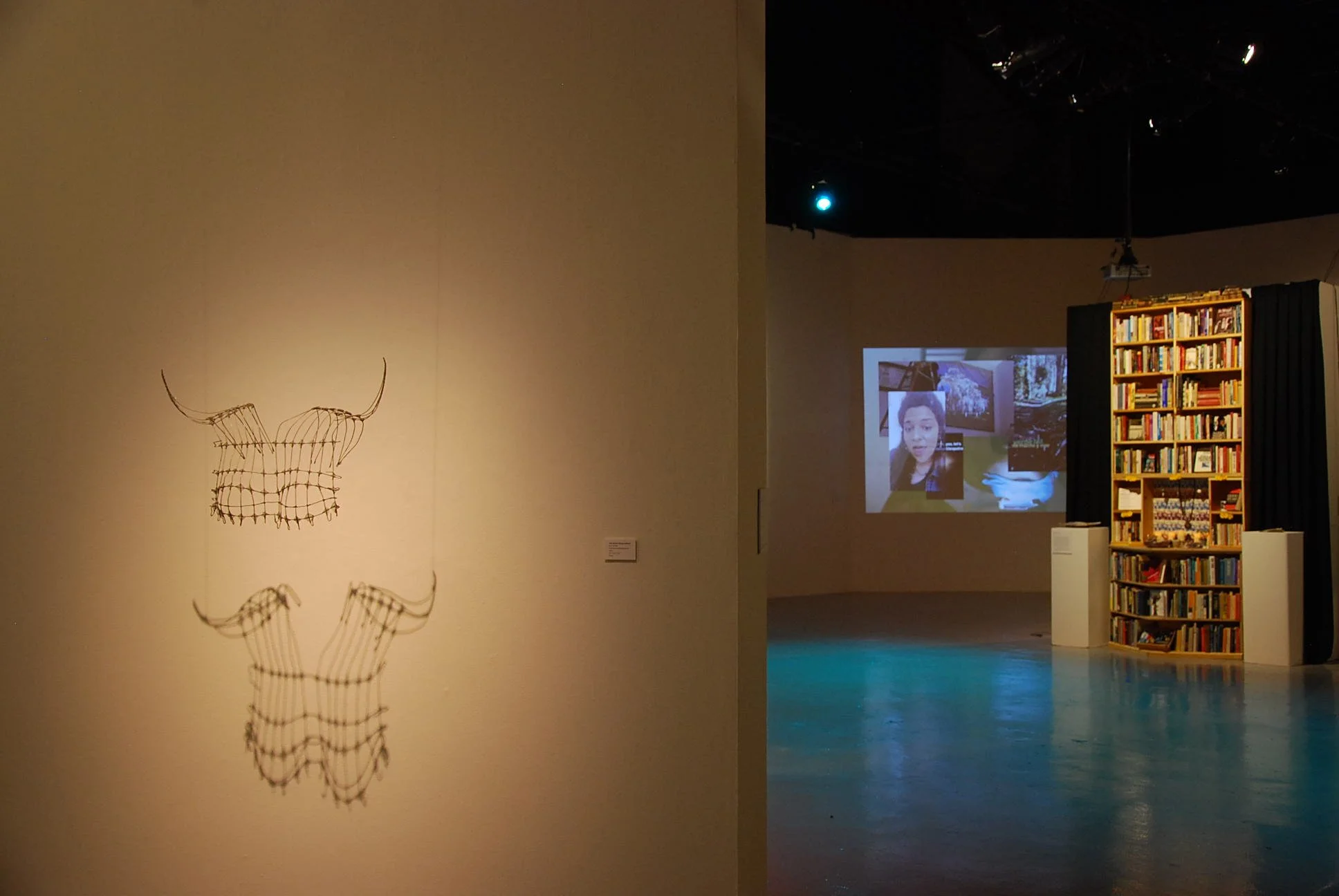
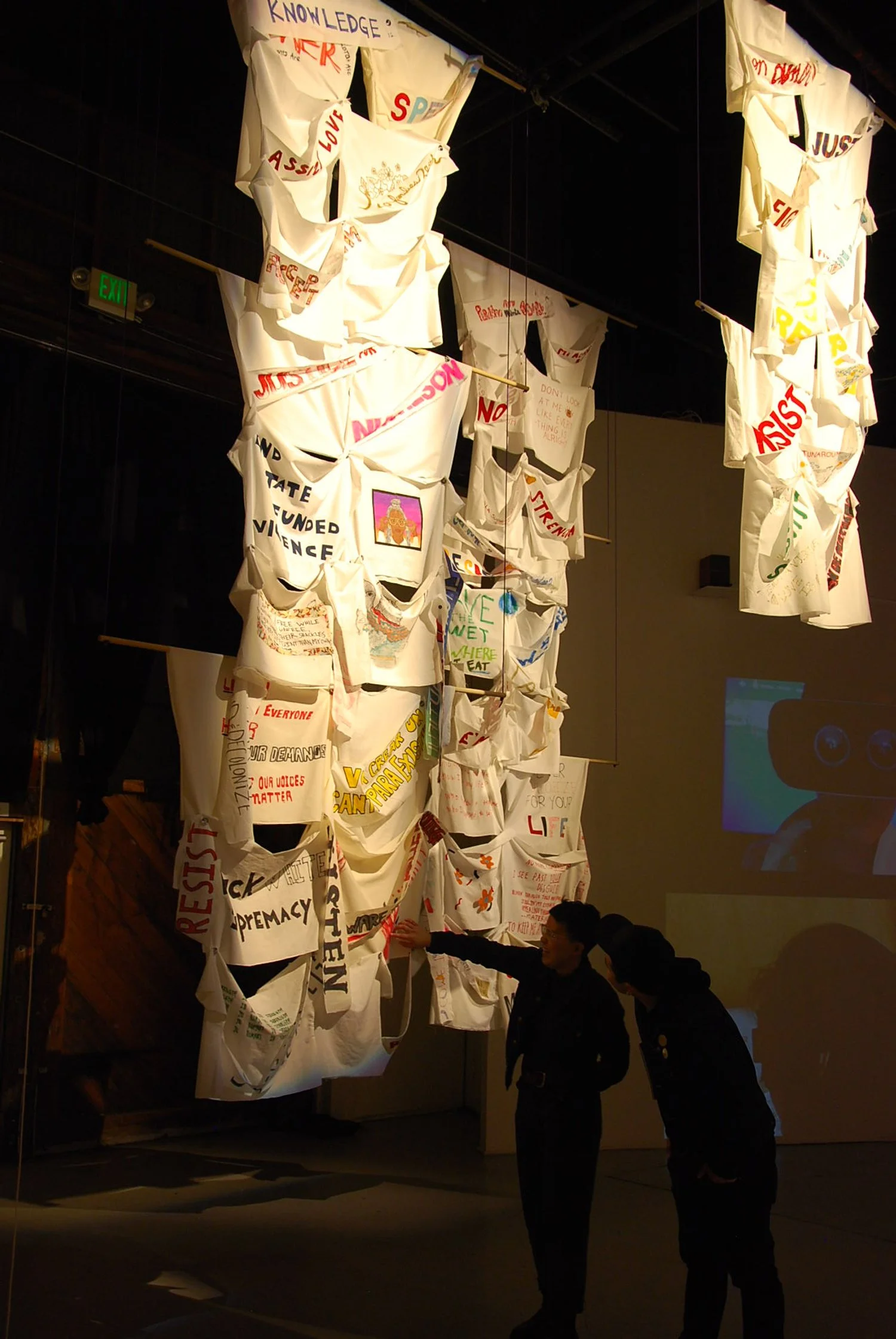
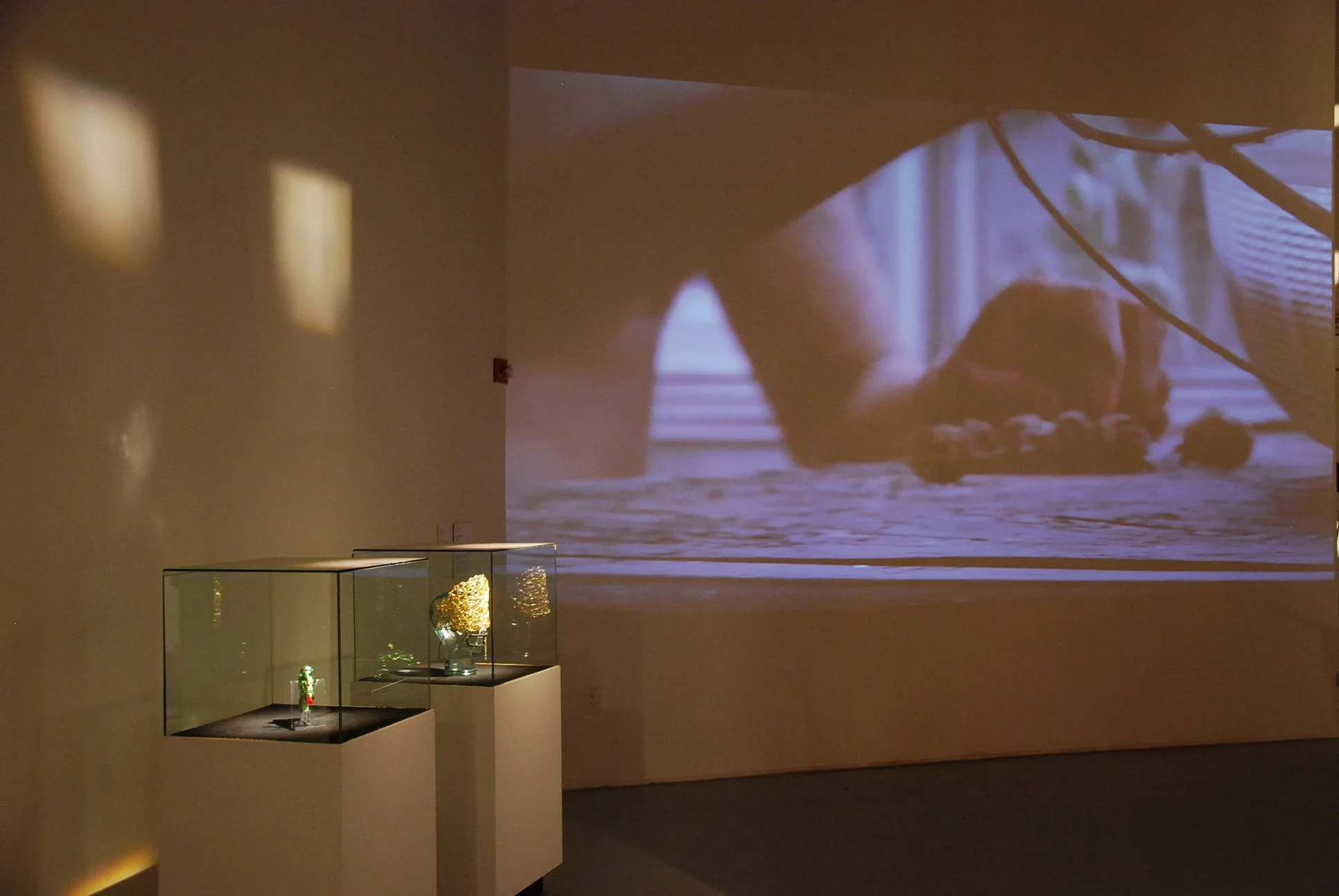
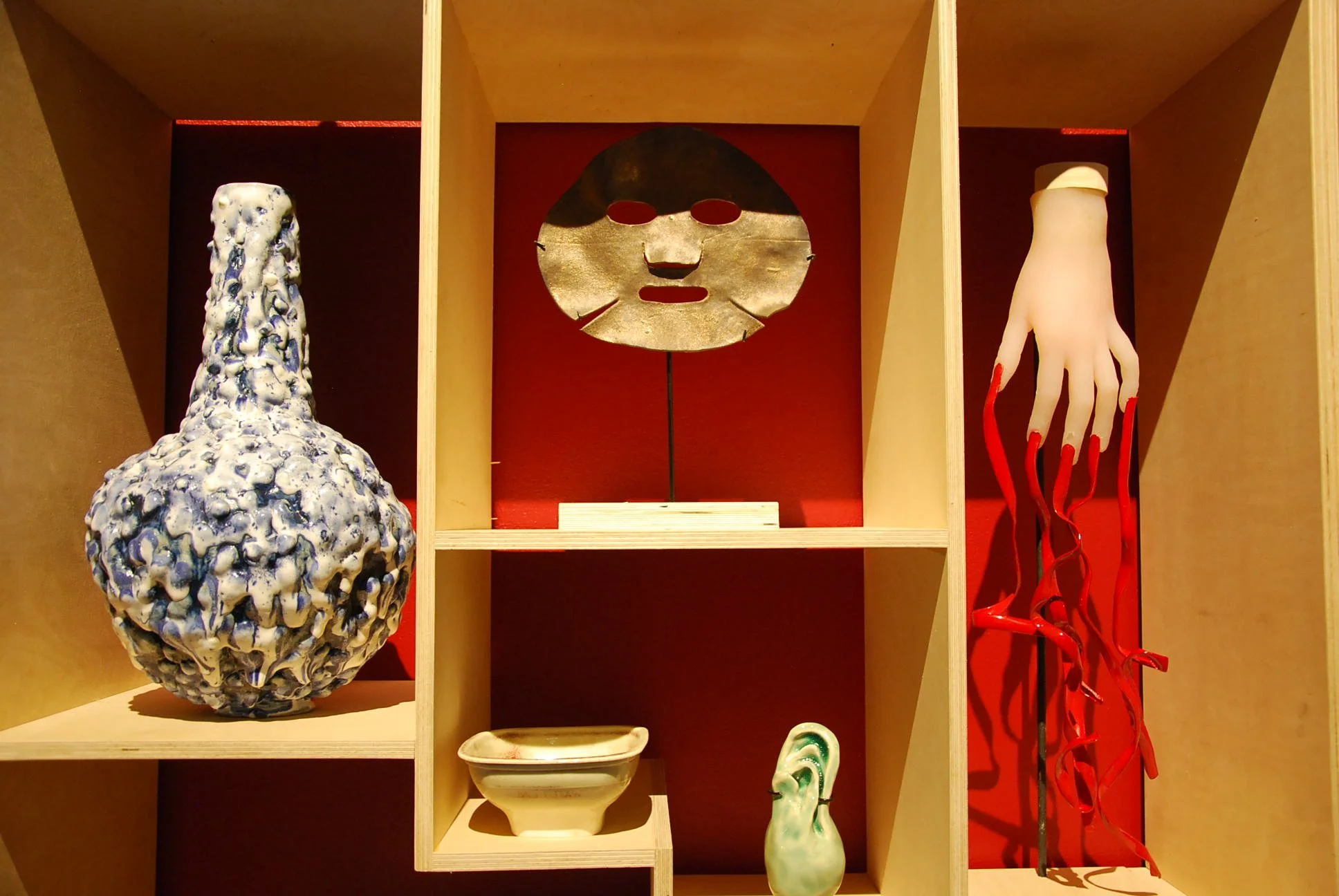
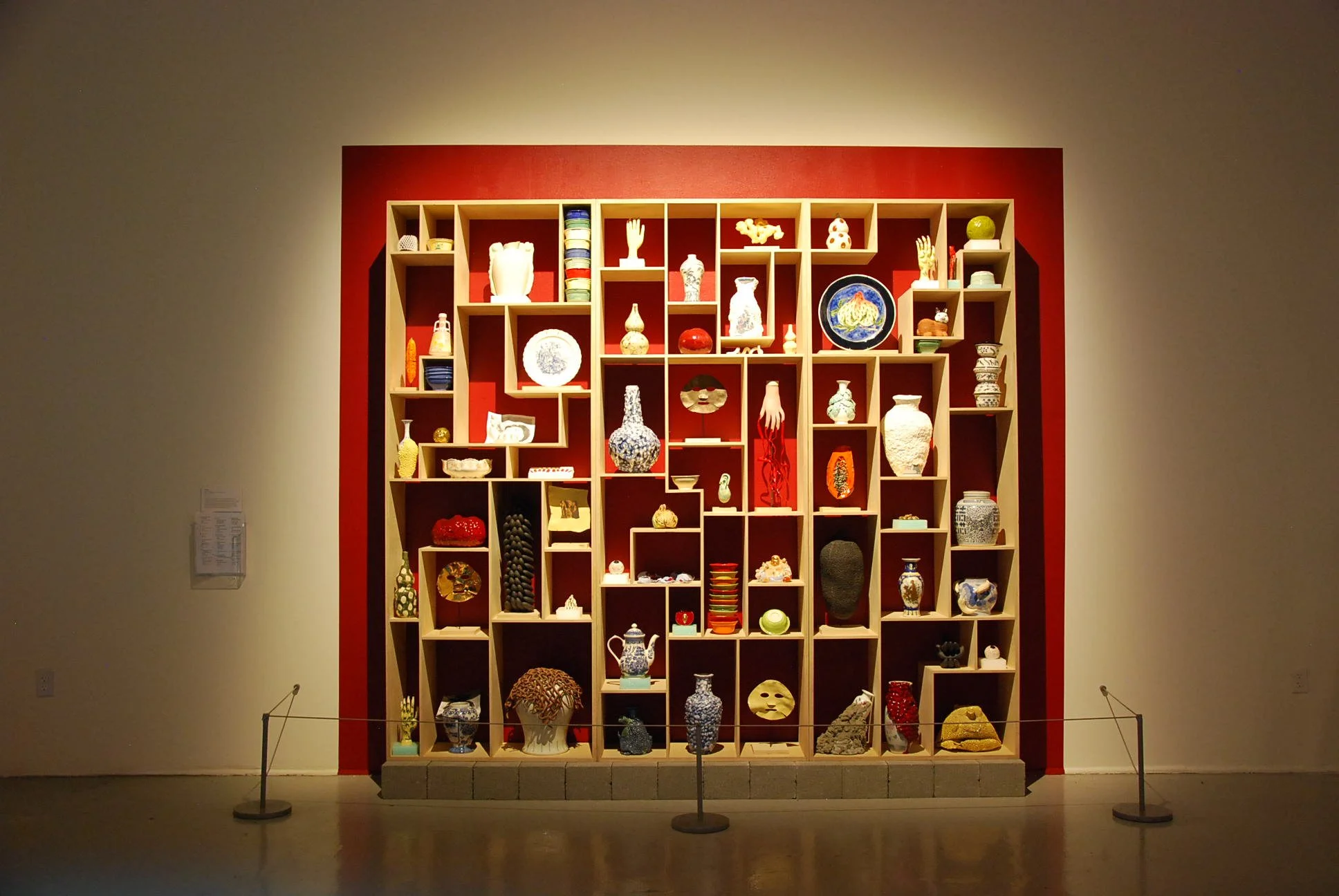
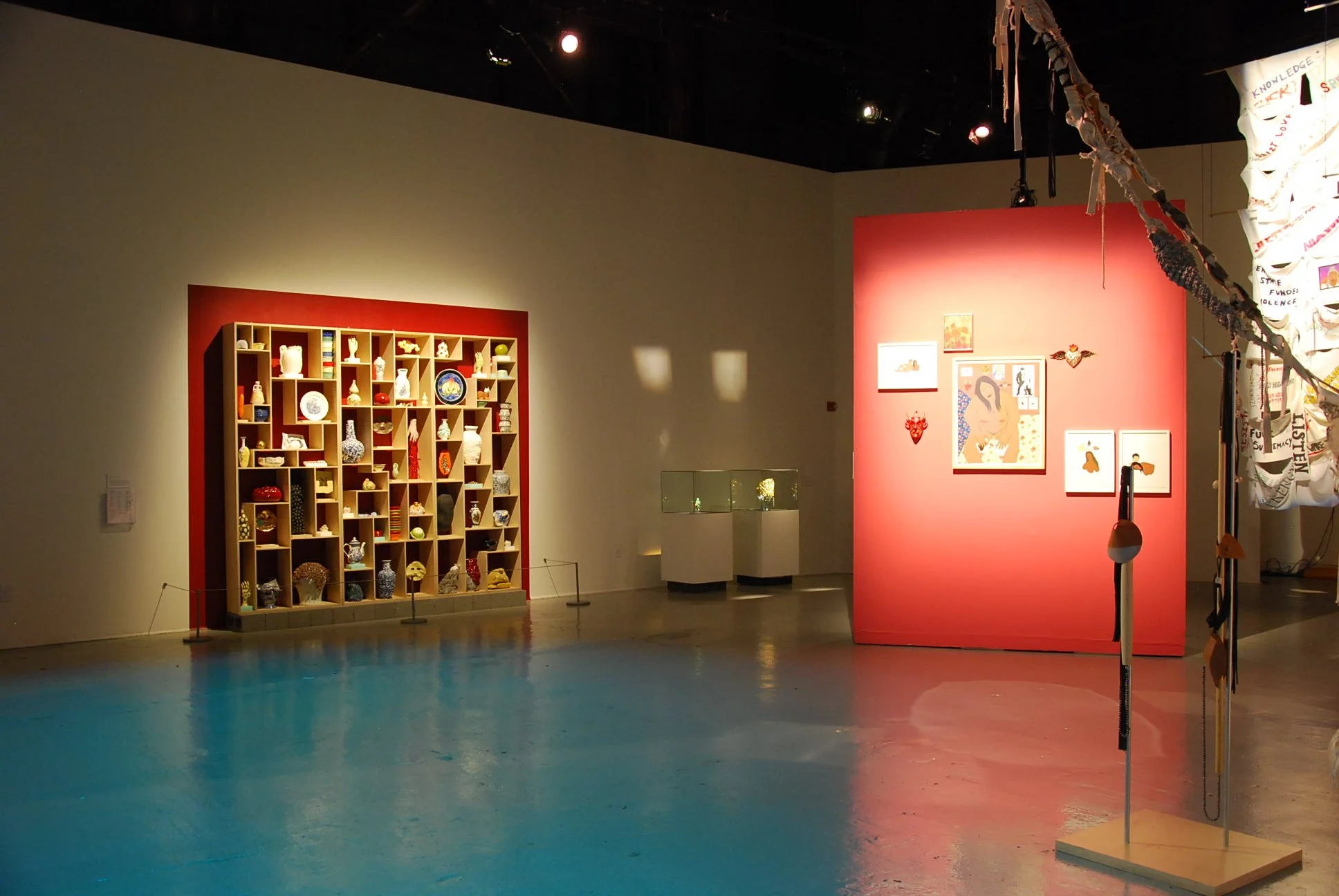
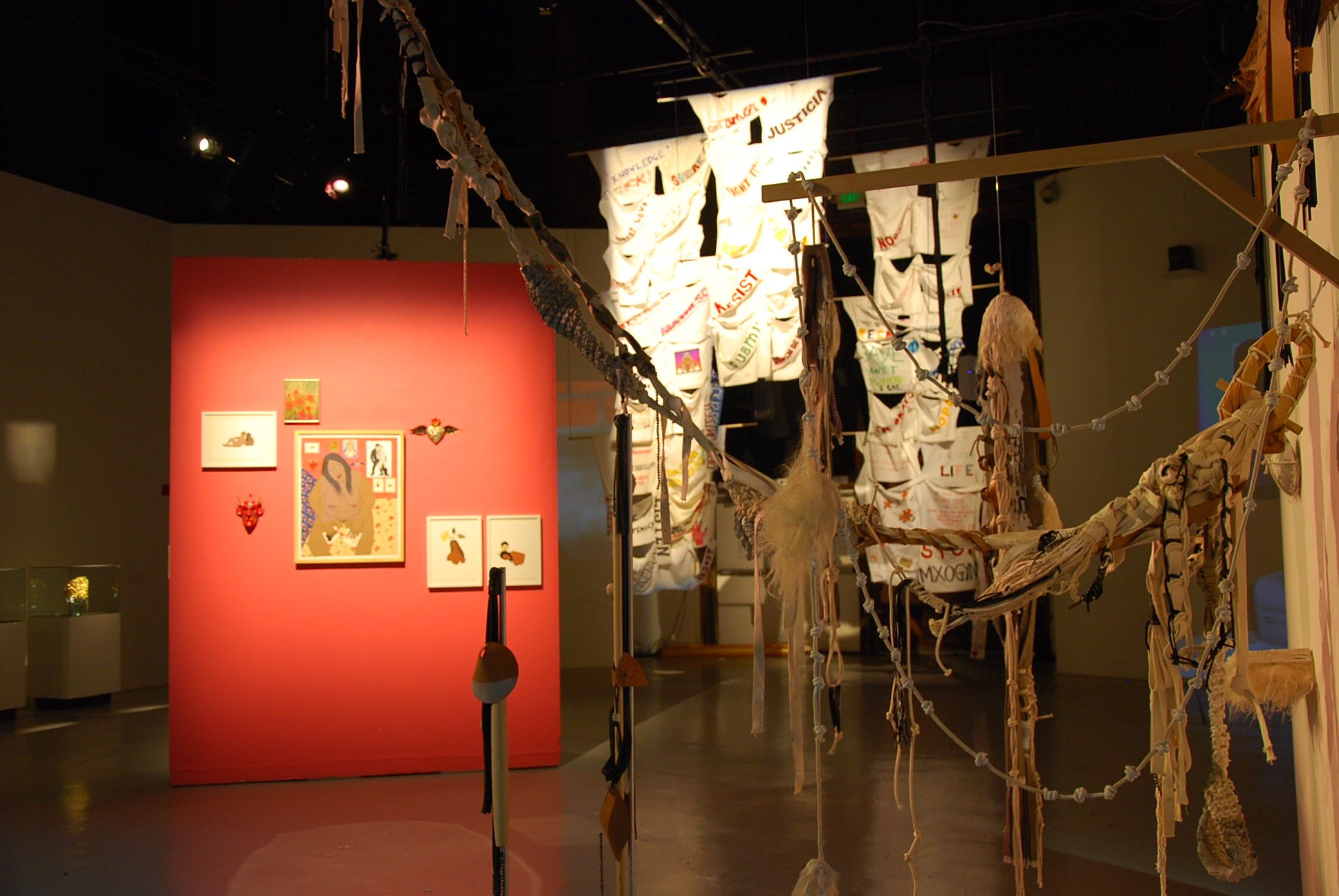
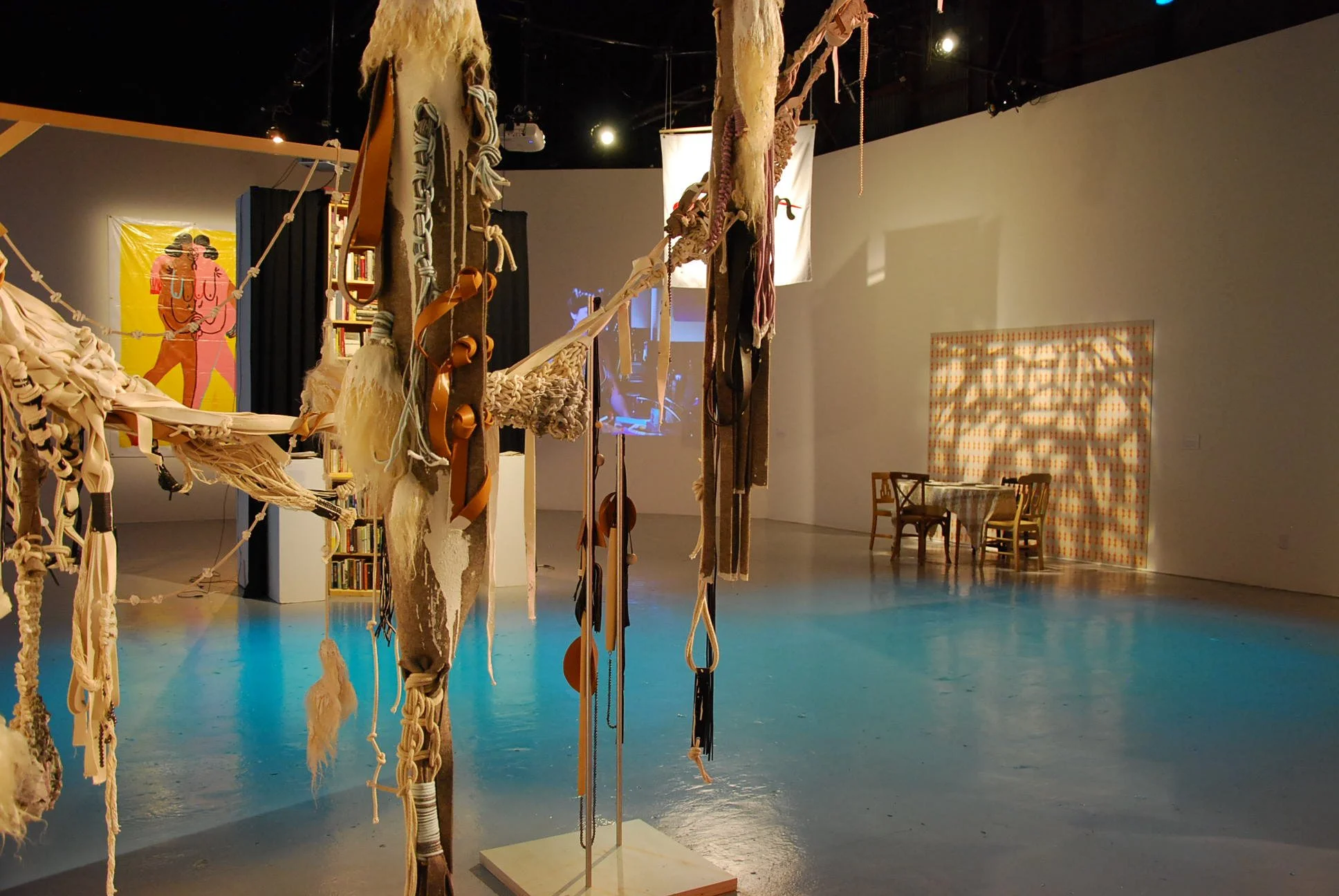
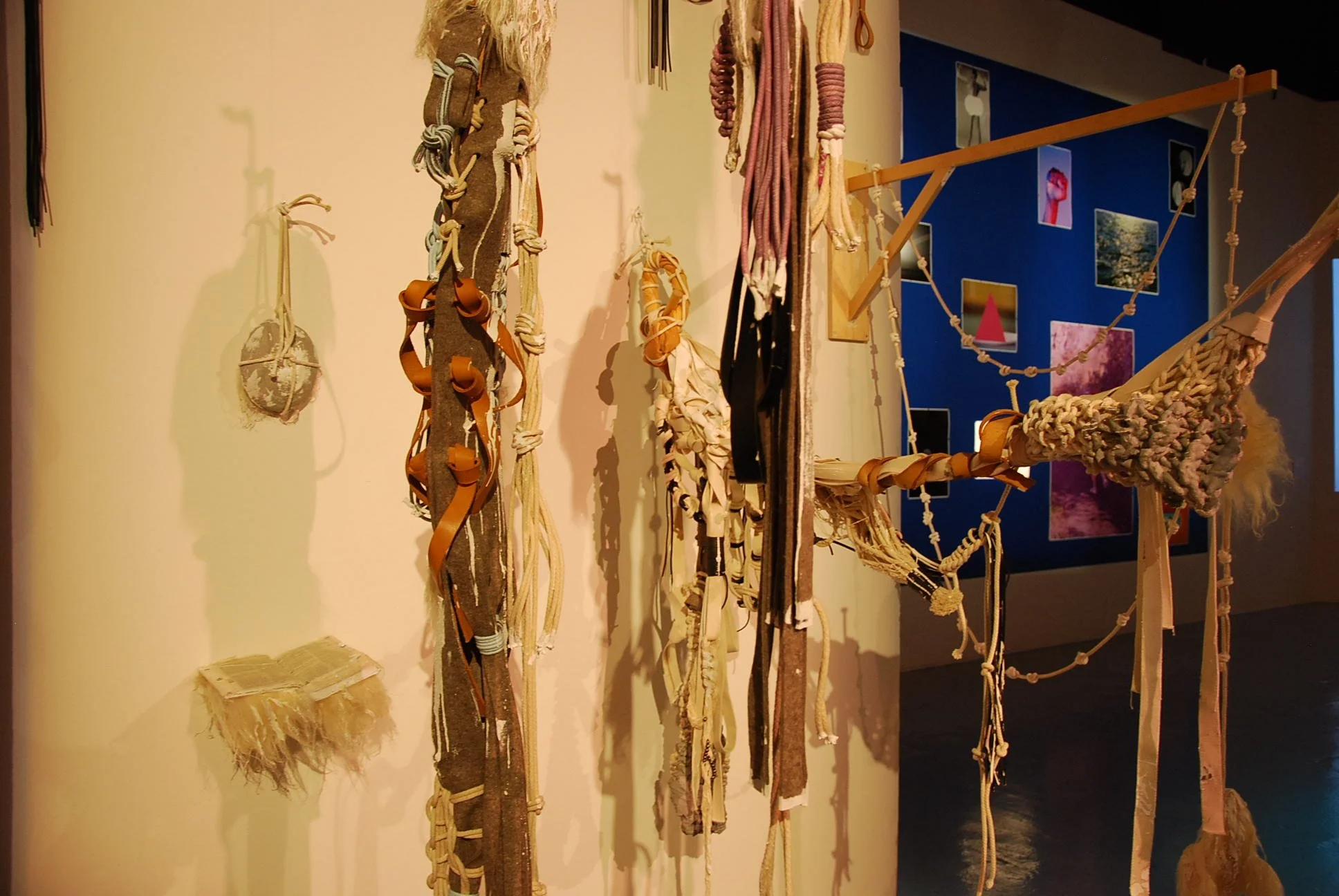
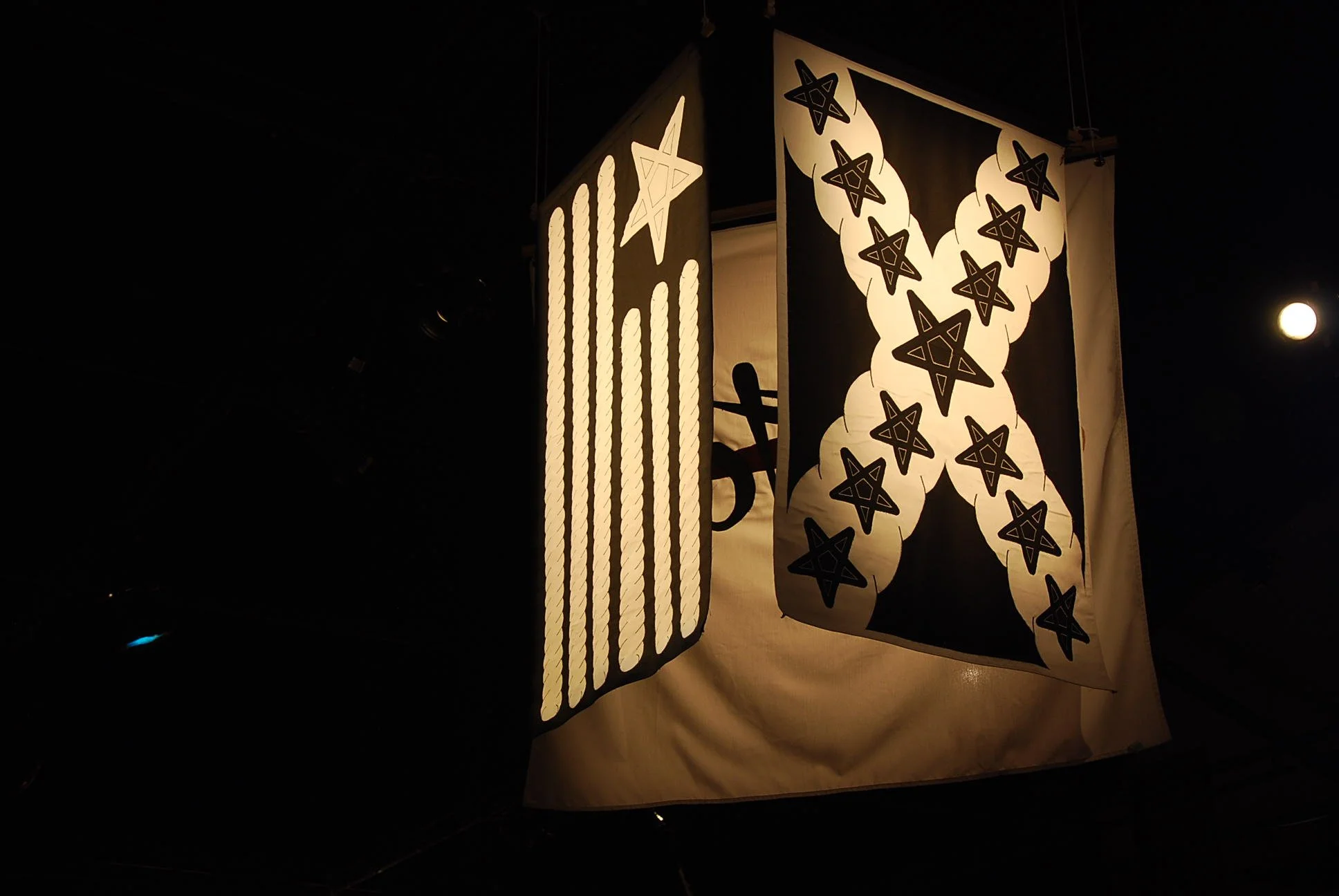
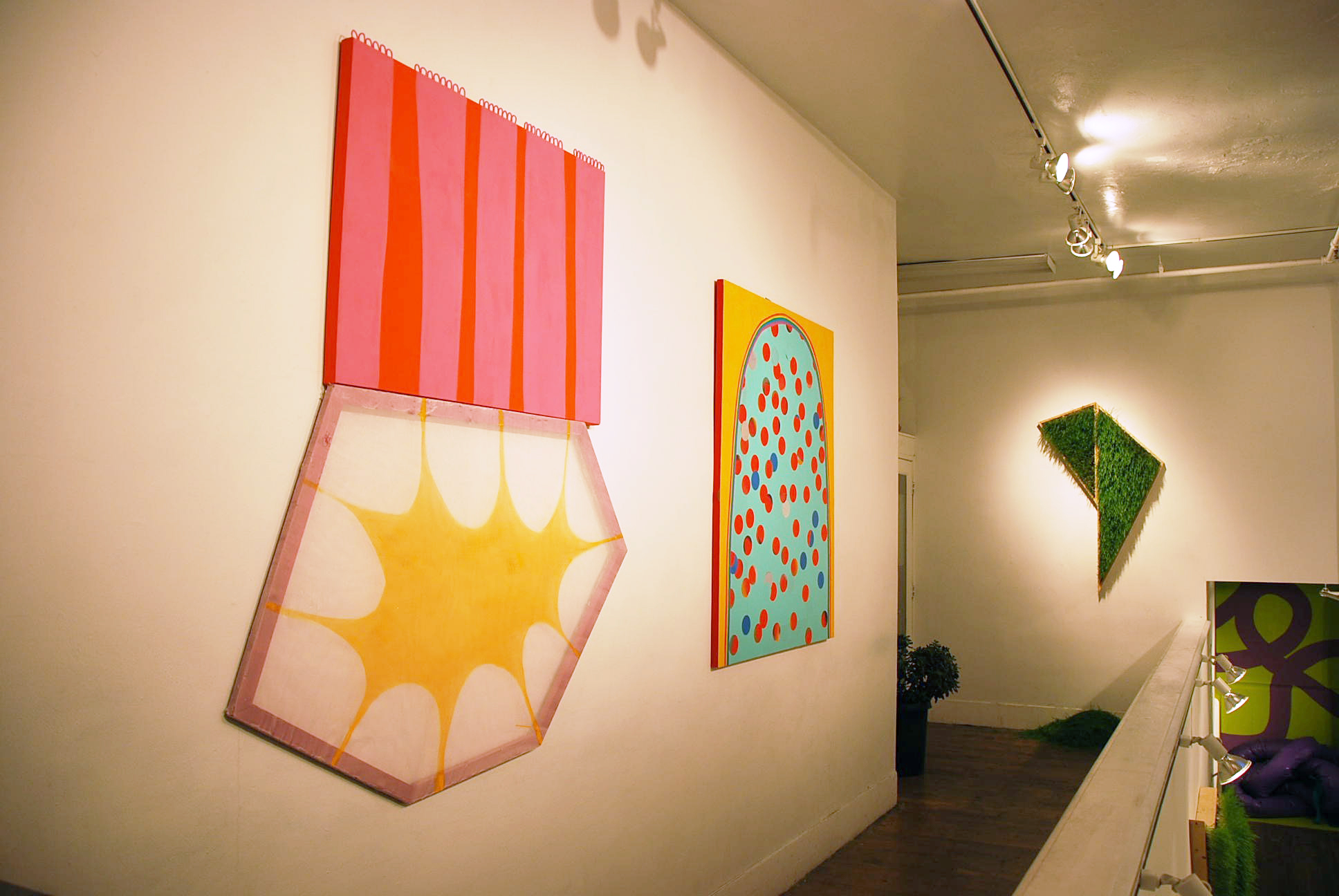
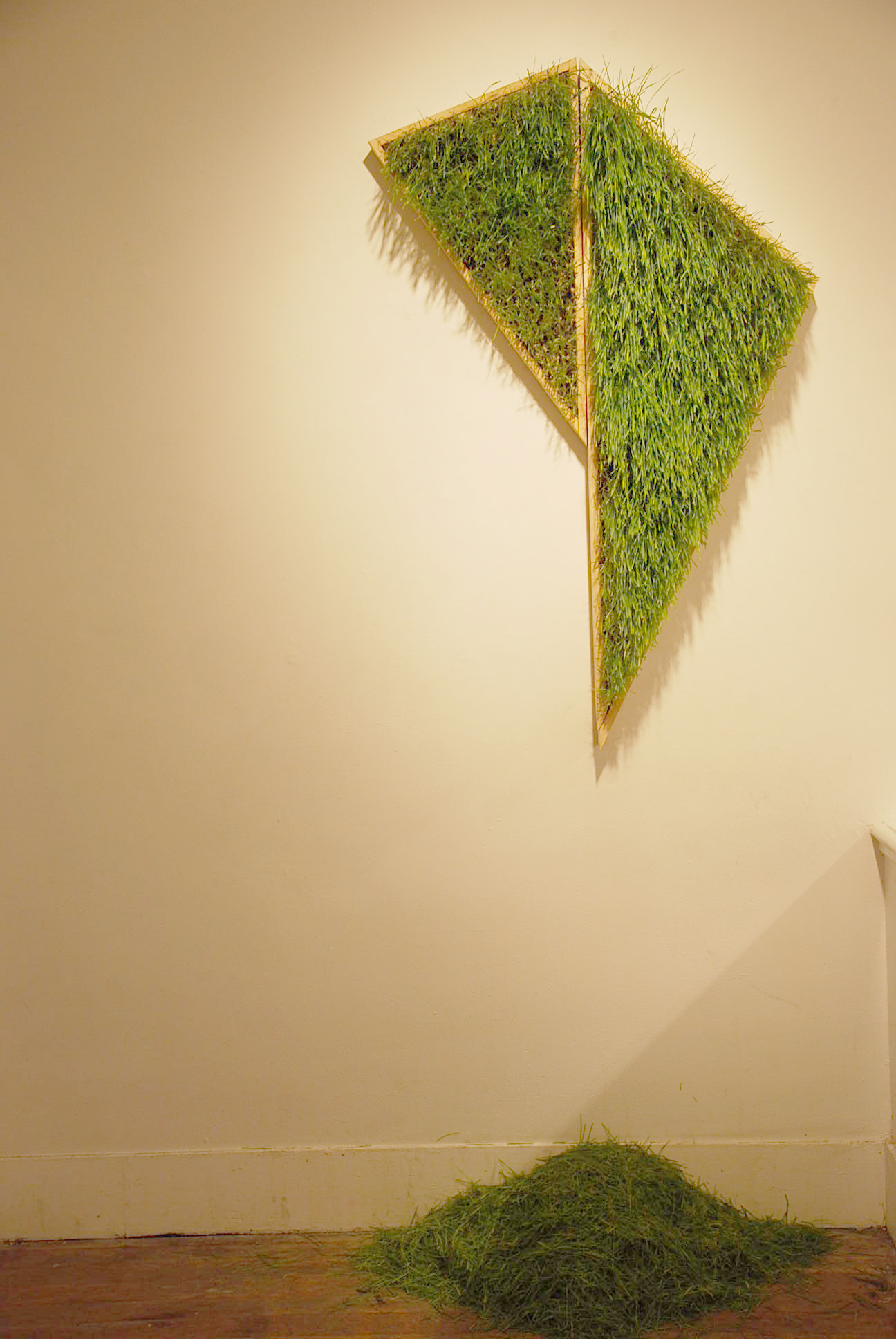
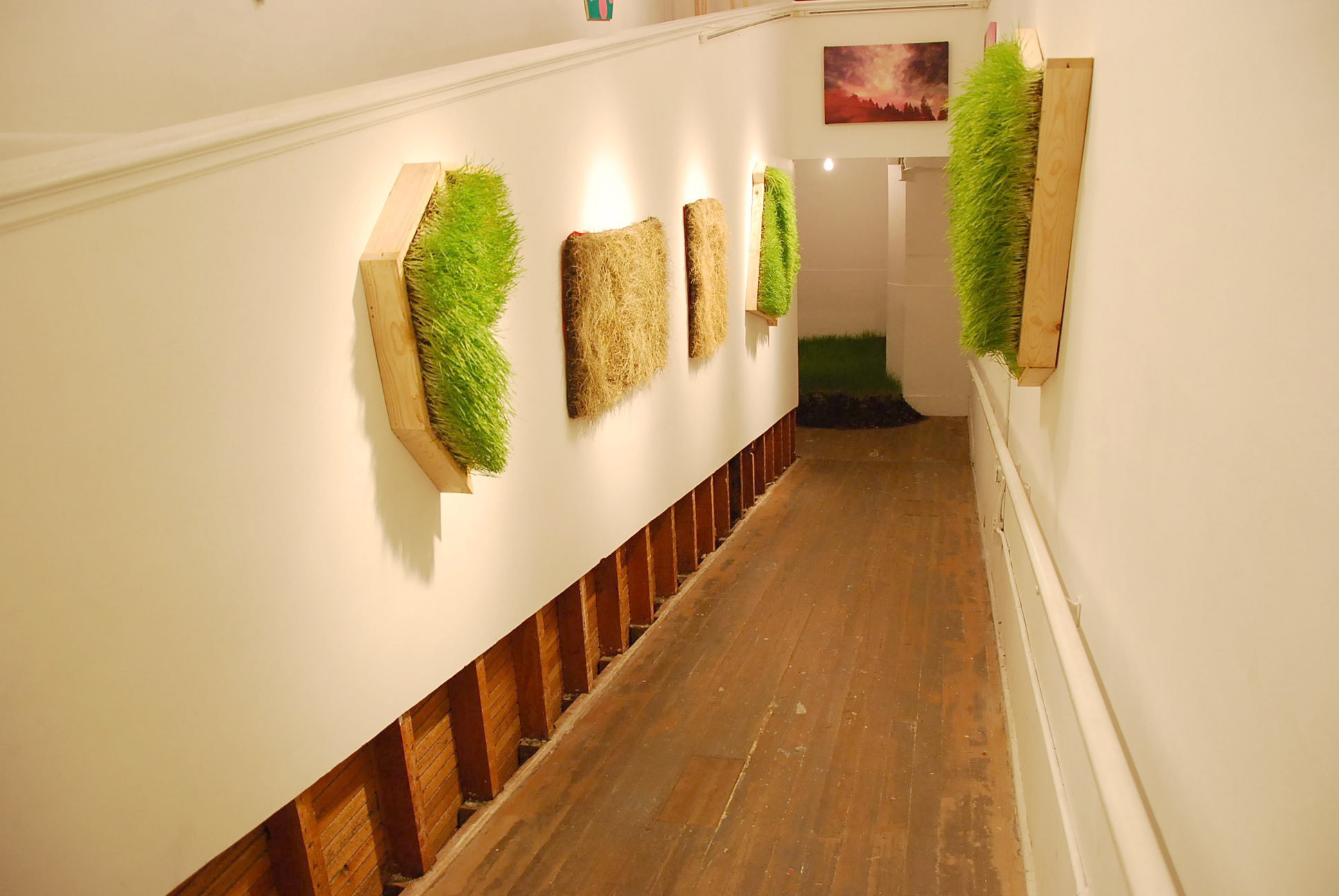
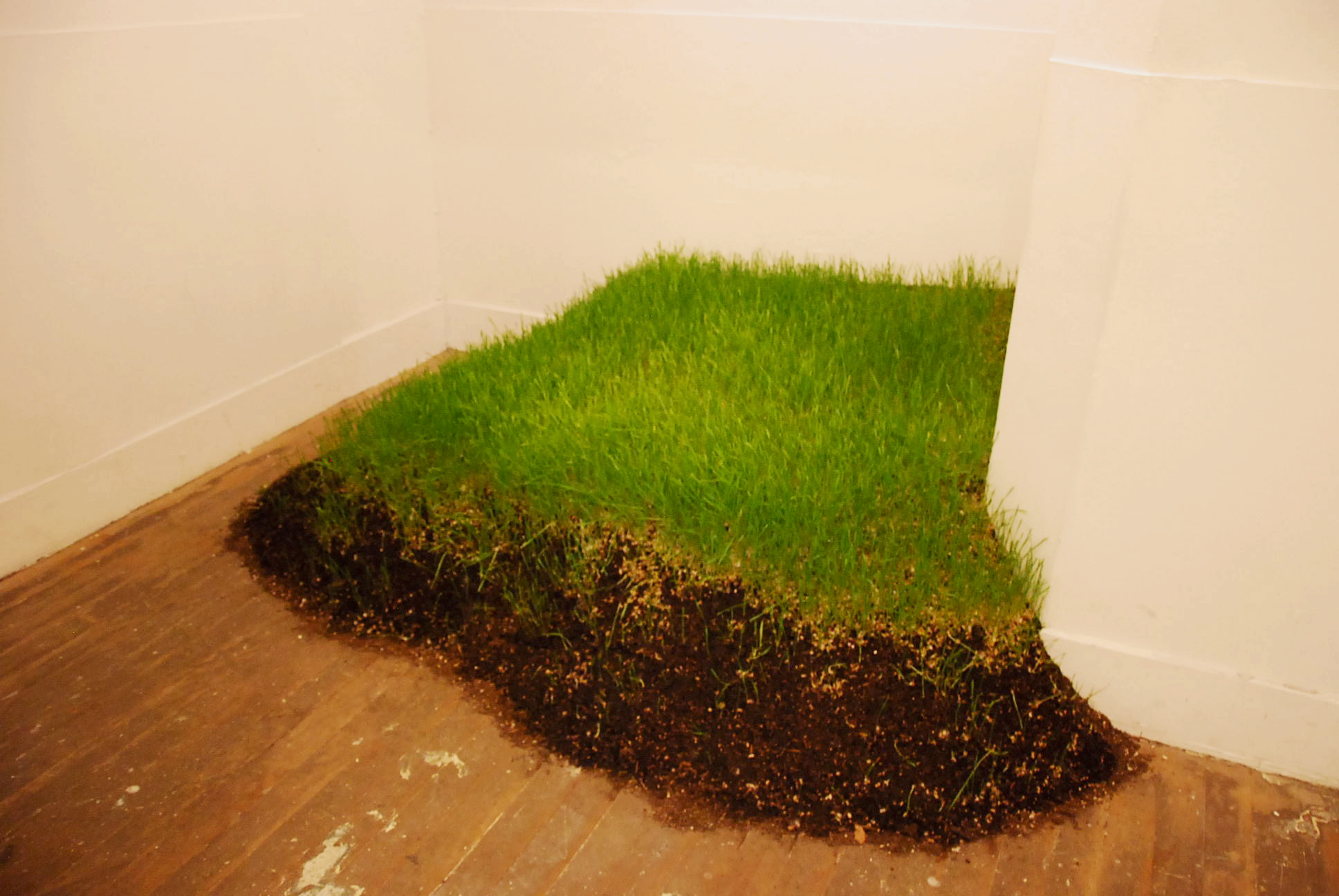
Headlands’ 2025–2026 Graduate Fellows Exhibition ‘Welcome In This Continuous Loop of Transformation’ opened on Sunday, June 28, at Headlands.
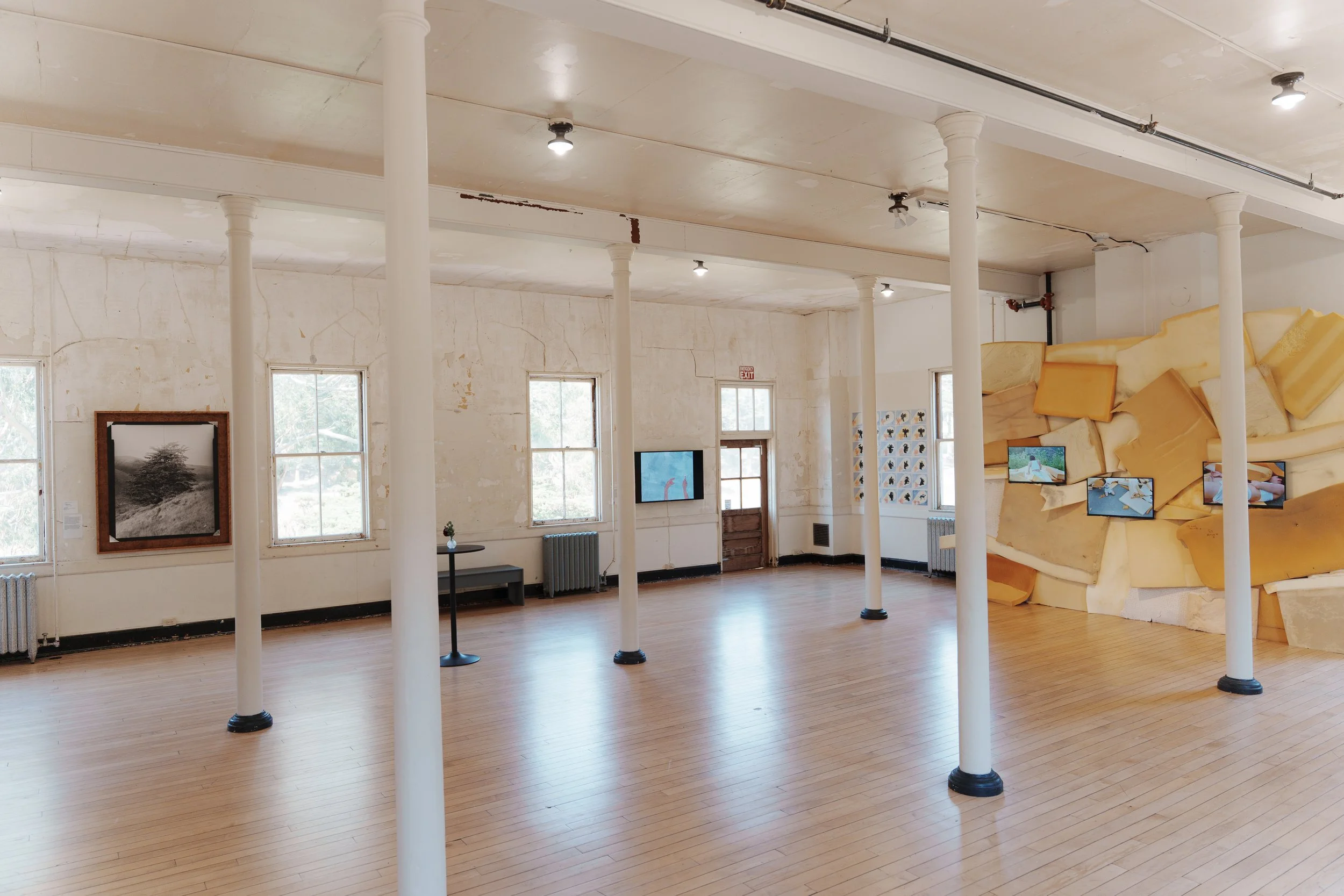
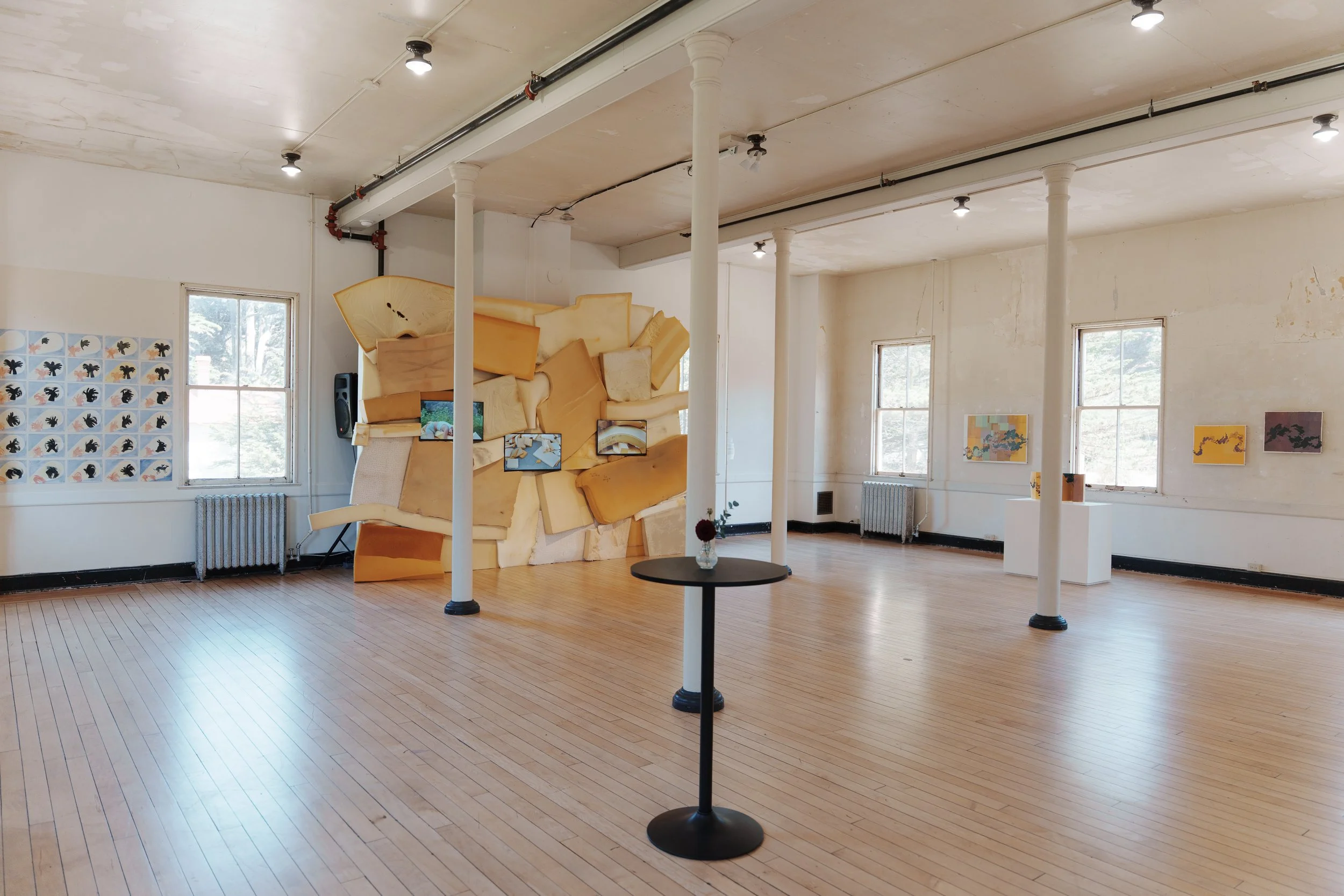
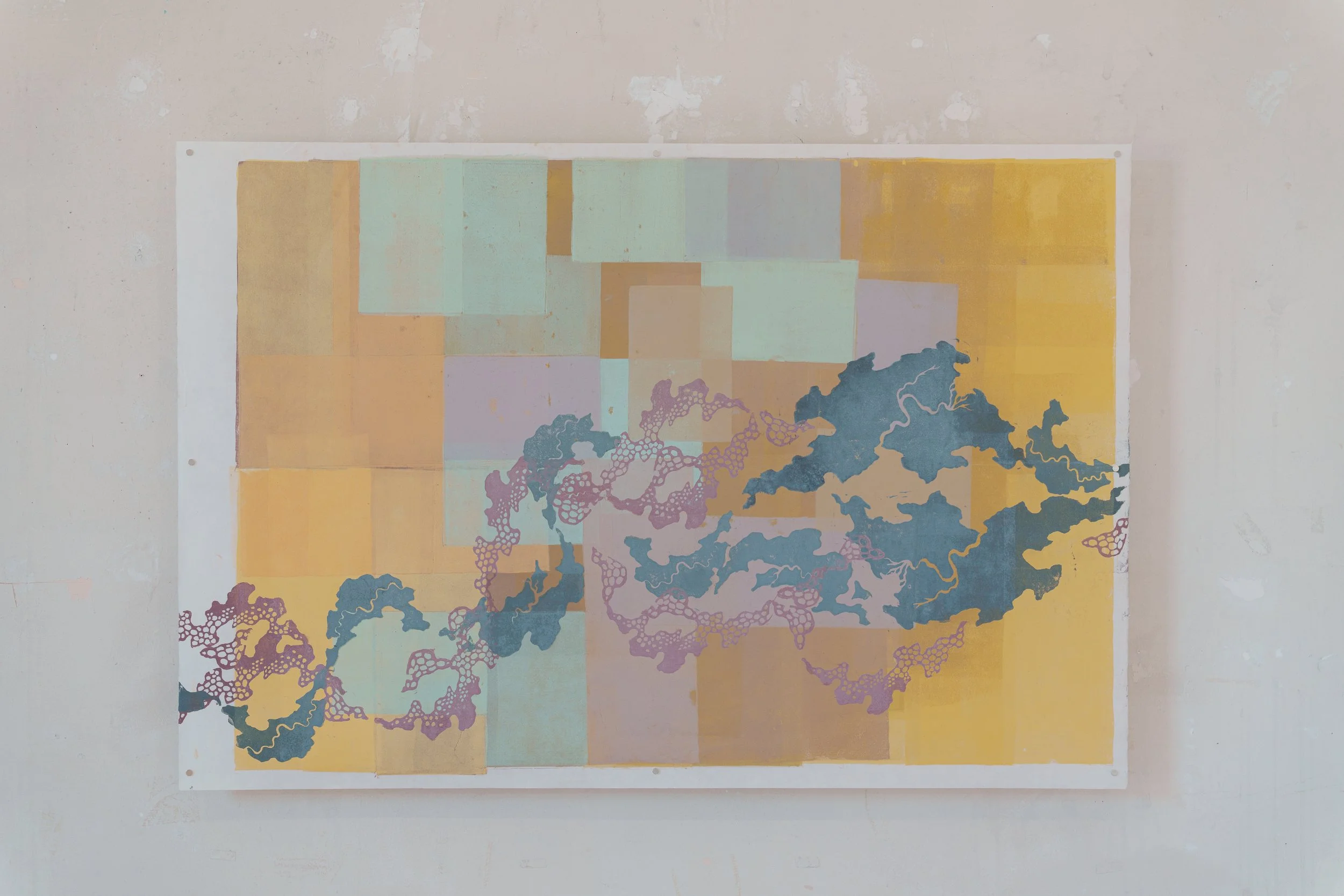
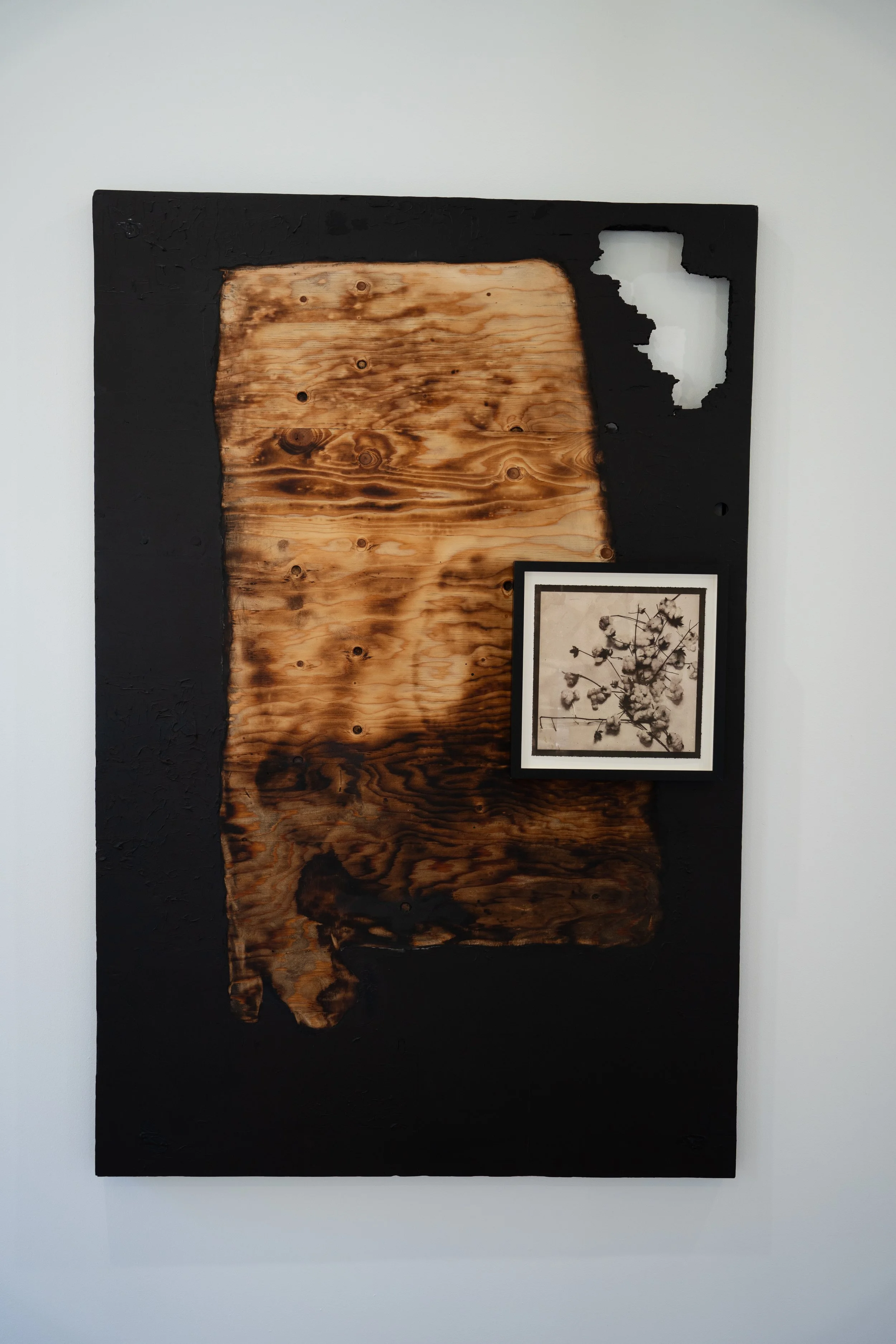
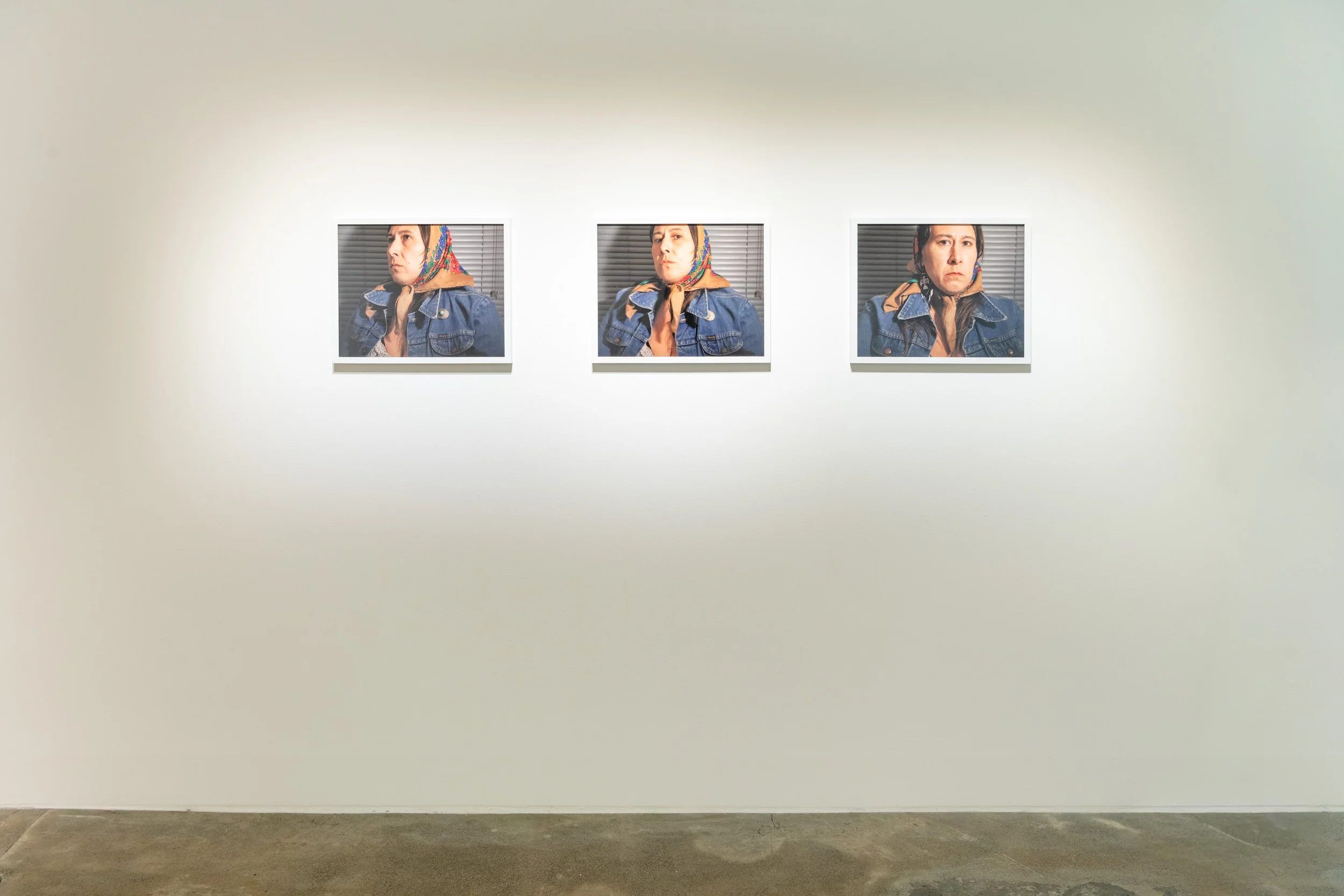
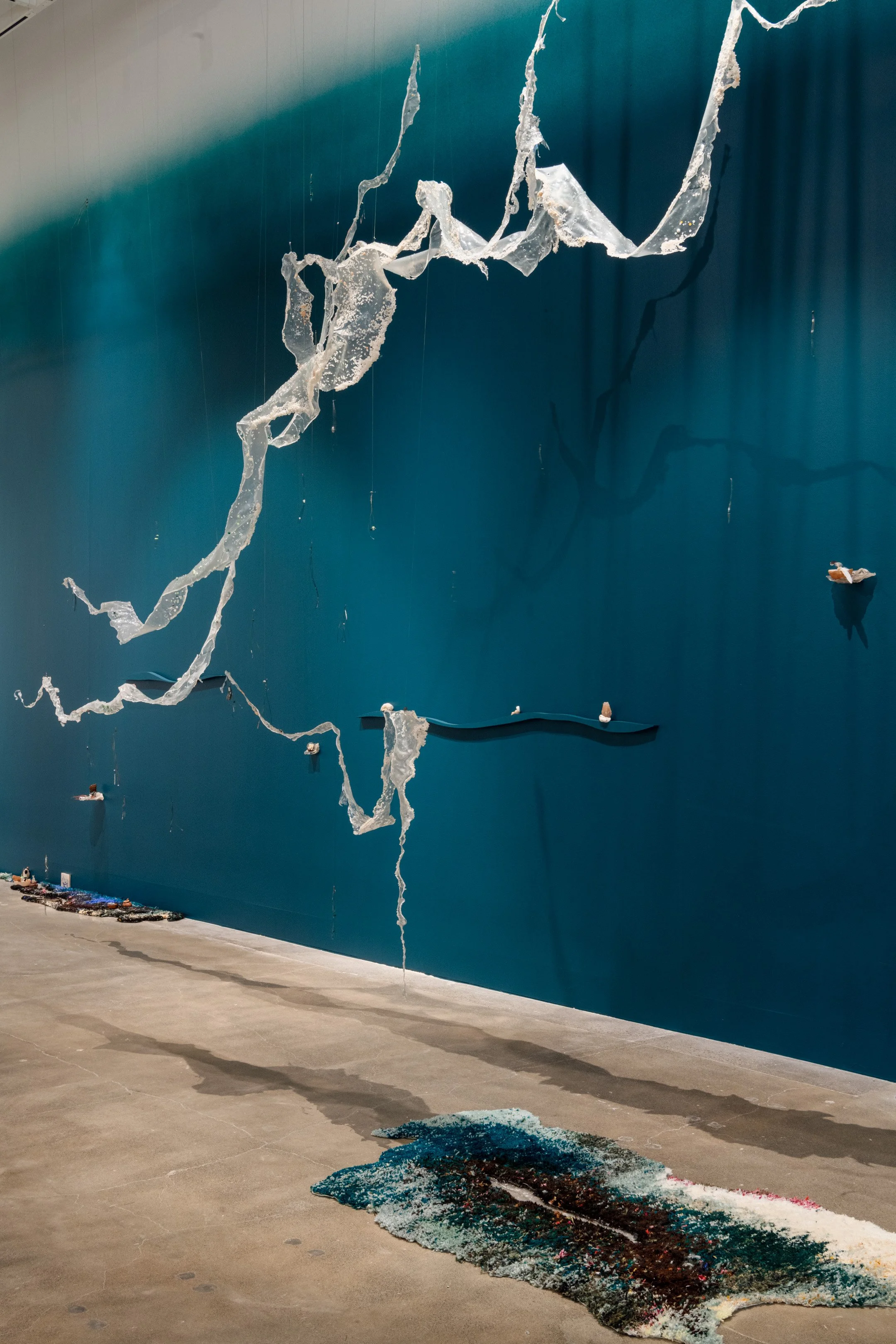
Featuring new work by Josephine Devanbu, Emily Harter, Jonah Reenders, Eleanor Scholz O’Leary, and bryant terry, the exhibition explores transformation through photography, animation, data visualization, and multimedia installation.
In moments of hardship, we are sensitive to the ongoing movements and transformations around us. All stays in motion, even when we want to press pause. We step out into nature to seek a moment of peace, but are met with the chaos of the natural world. We inhale to hold our breath, and exhale to see everything that has changed before our eyes. Landscapes shift, explosions erupt, materials transform, babies are born, and we find ourselves in this continuous loop of transformation.
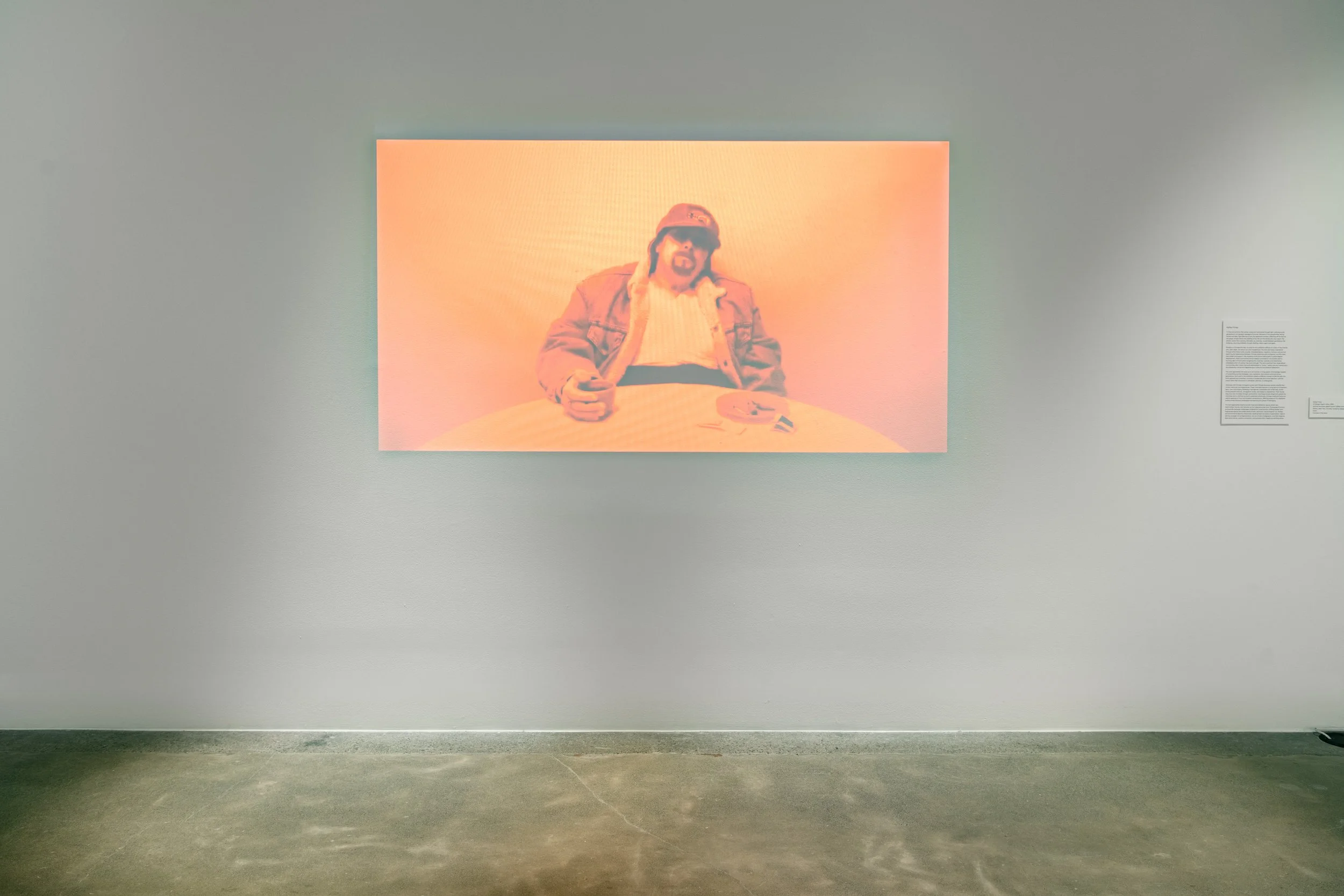
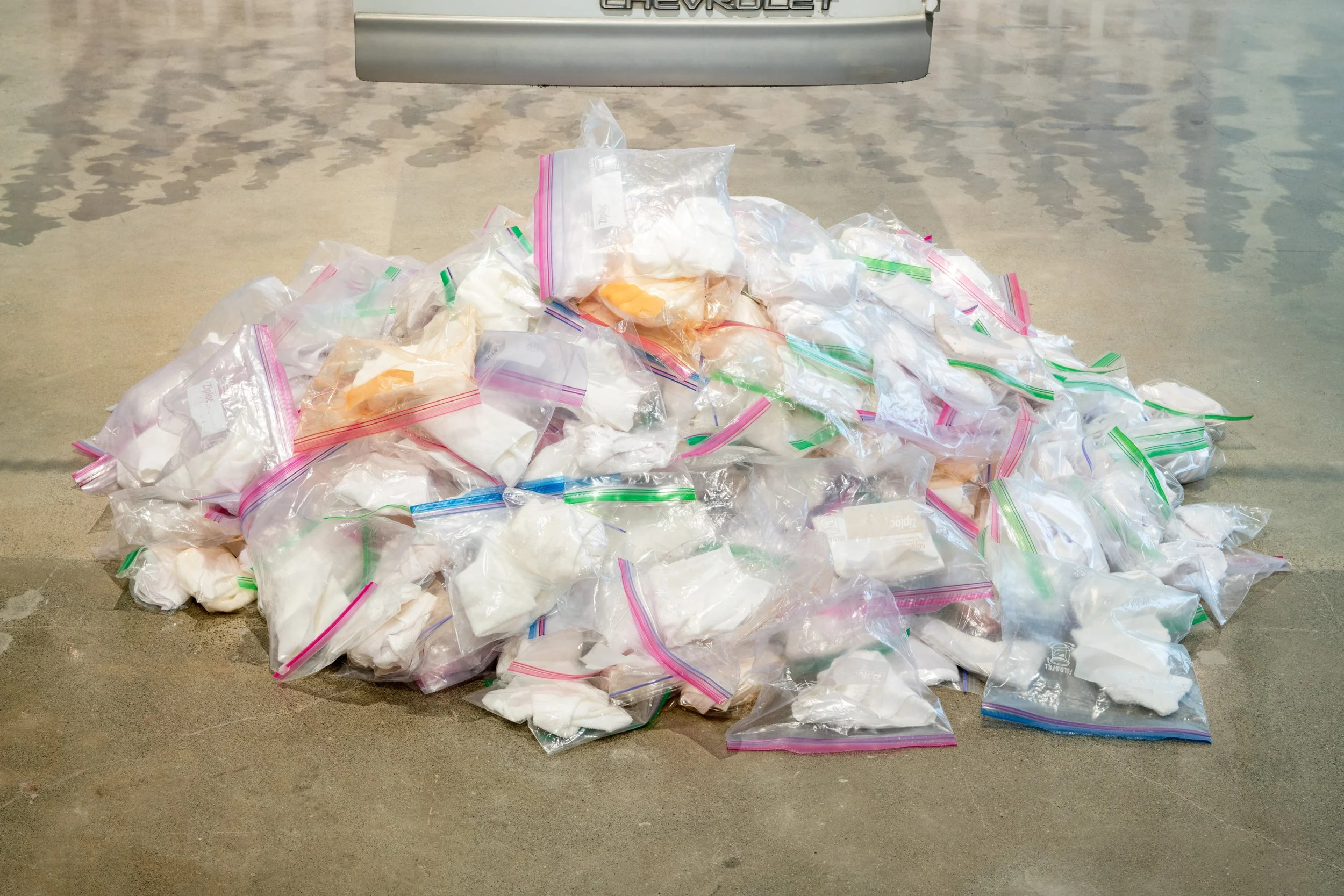
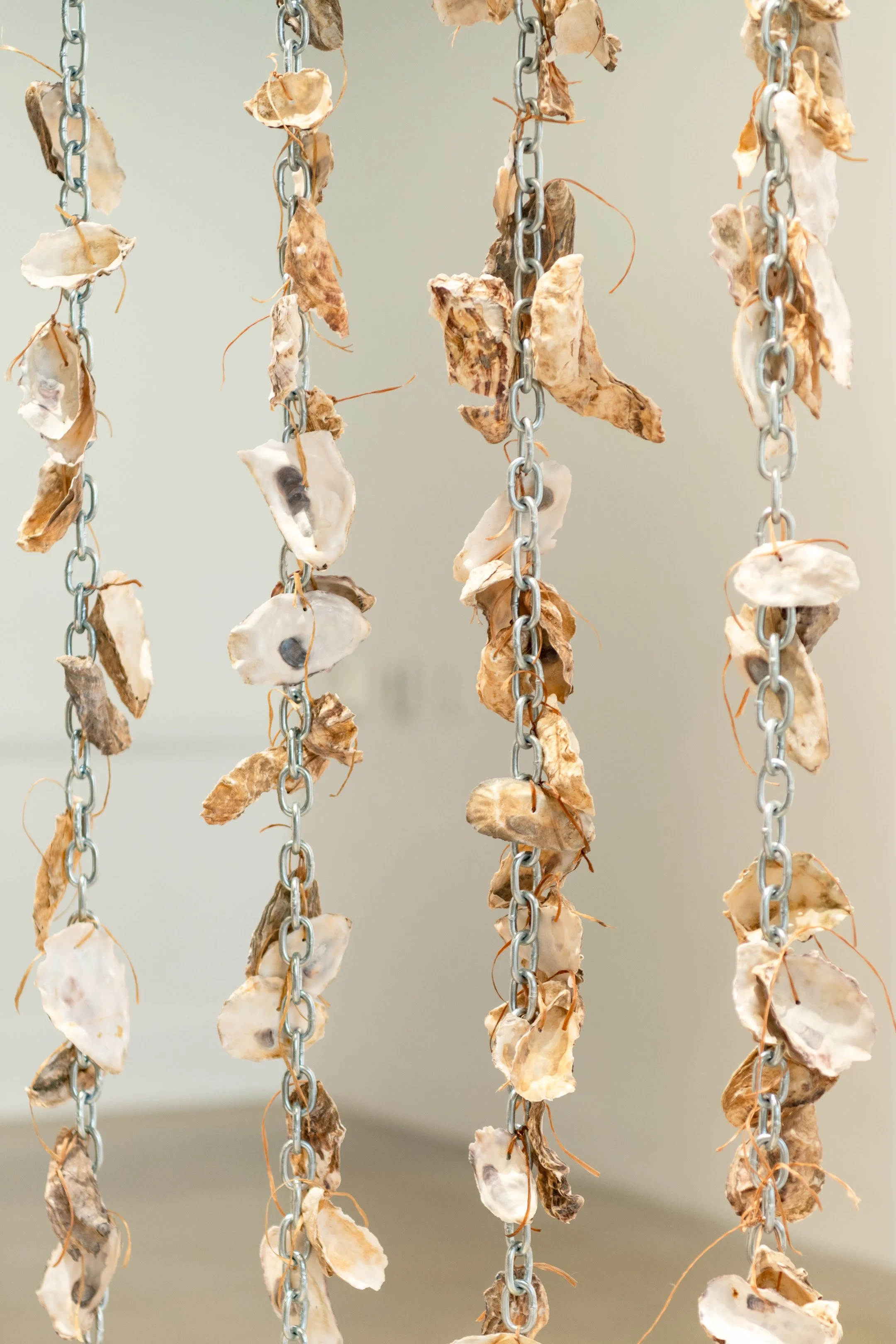
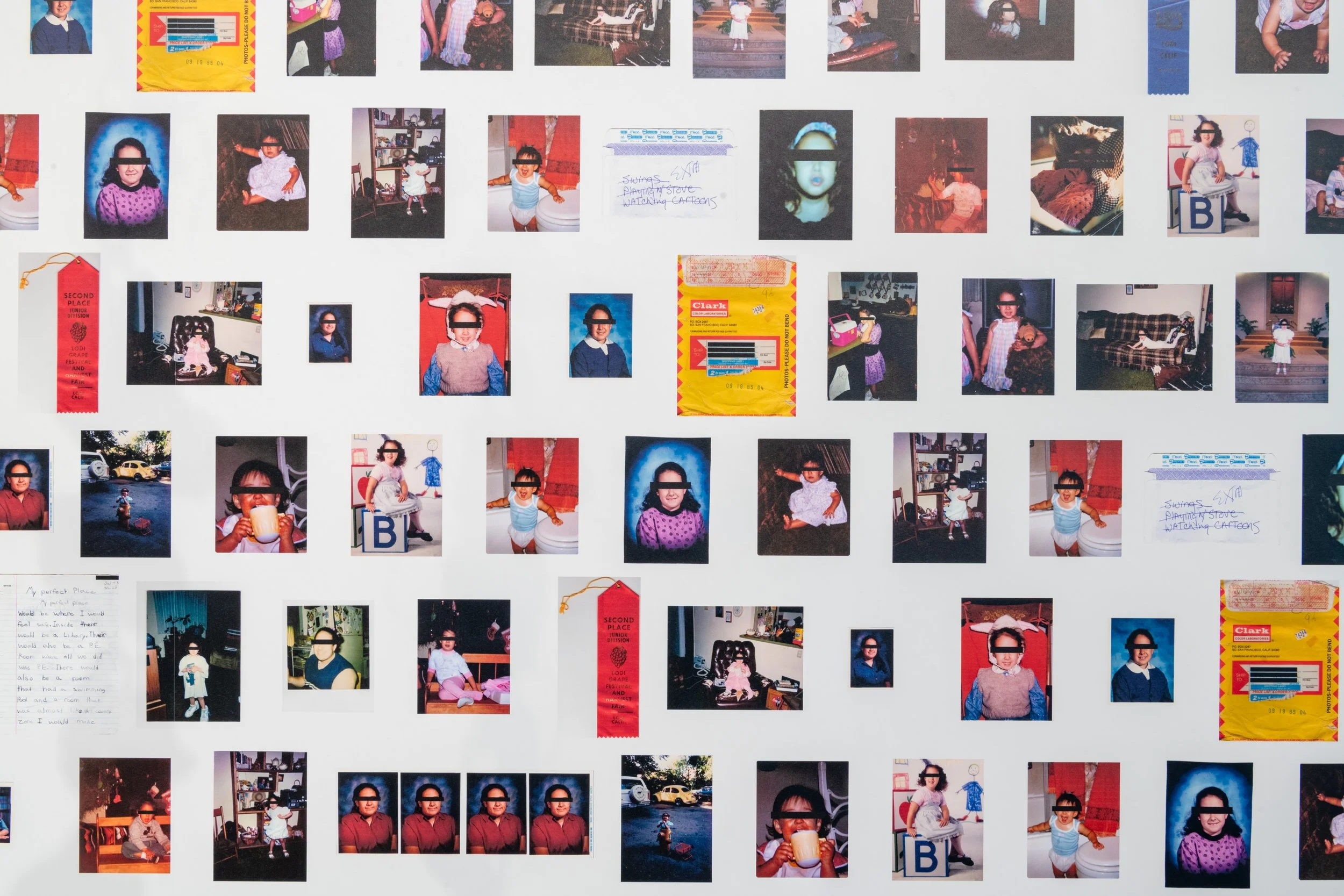
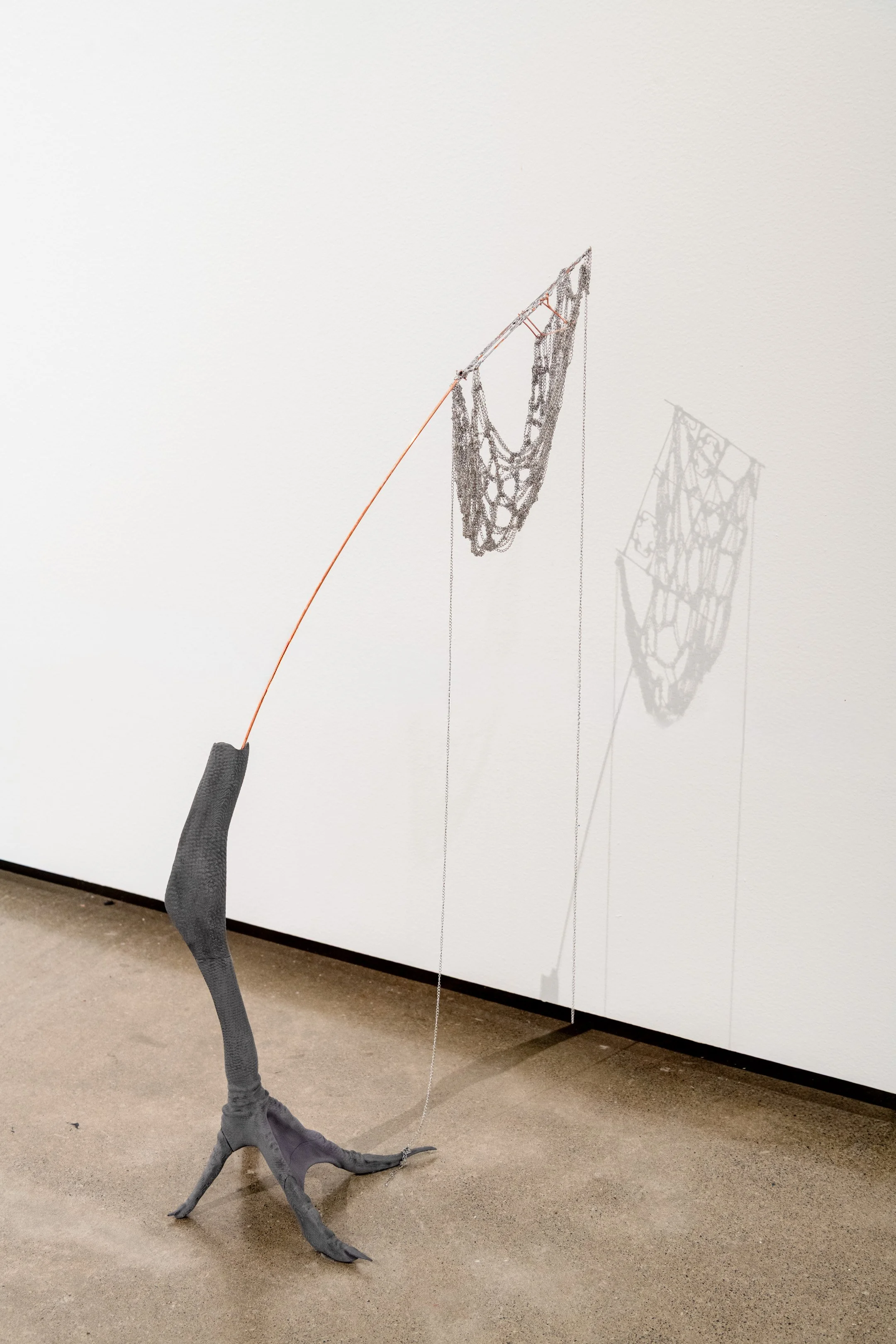
The 2025-2026 Headlands Graduate Fellows welcome transformation and movement in their practice. Jonah Reenders’s photographs study the landscape of Headlands, documenting what once was and what remains as it continues its unstoppable transformation. Emily Harter’s animation evokes the past by warping the feelings of comfort and familiar repetition associated with classic cartoons. Through movement and making, Josephine Devanbu’s multi-media practice transforms abandoned materials while exploring unfulfilled yearning. Eleanor Scholz O’Leary’s work visualizes a collection of data from her first months of parenthood, creating records of life taking on a new form. bryant terry reframes every-day objects as portals into Black cultural memory and possibility.
All these artists’ works remind us that transformation isn’t linear. A simple seed becomes a dense fractal of branches and leaves as time marches on.
– Shirin Makaremi
Photo credit: Tom Ide
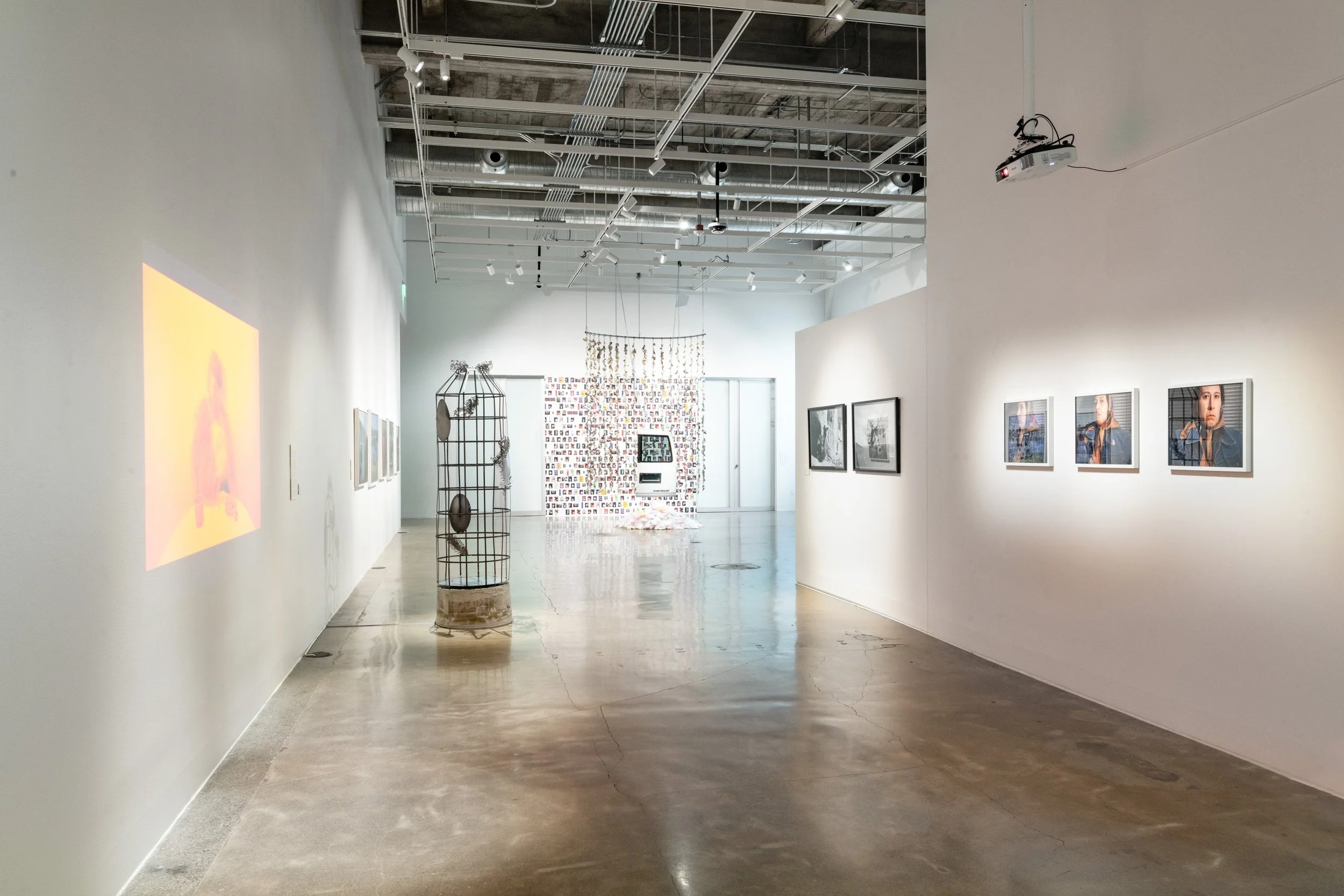
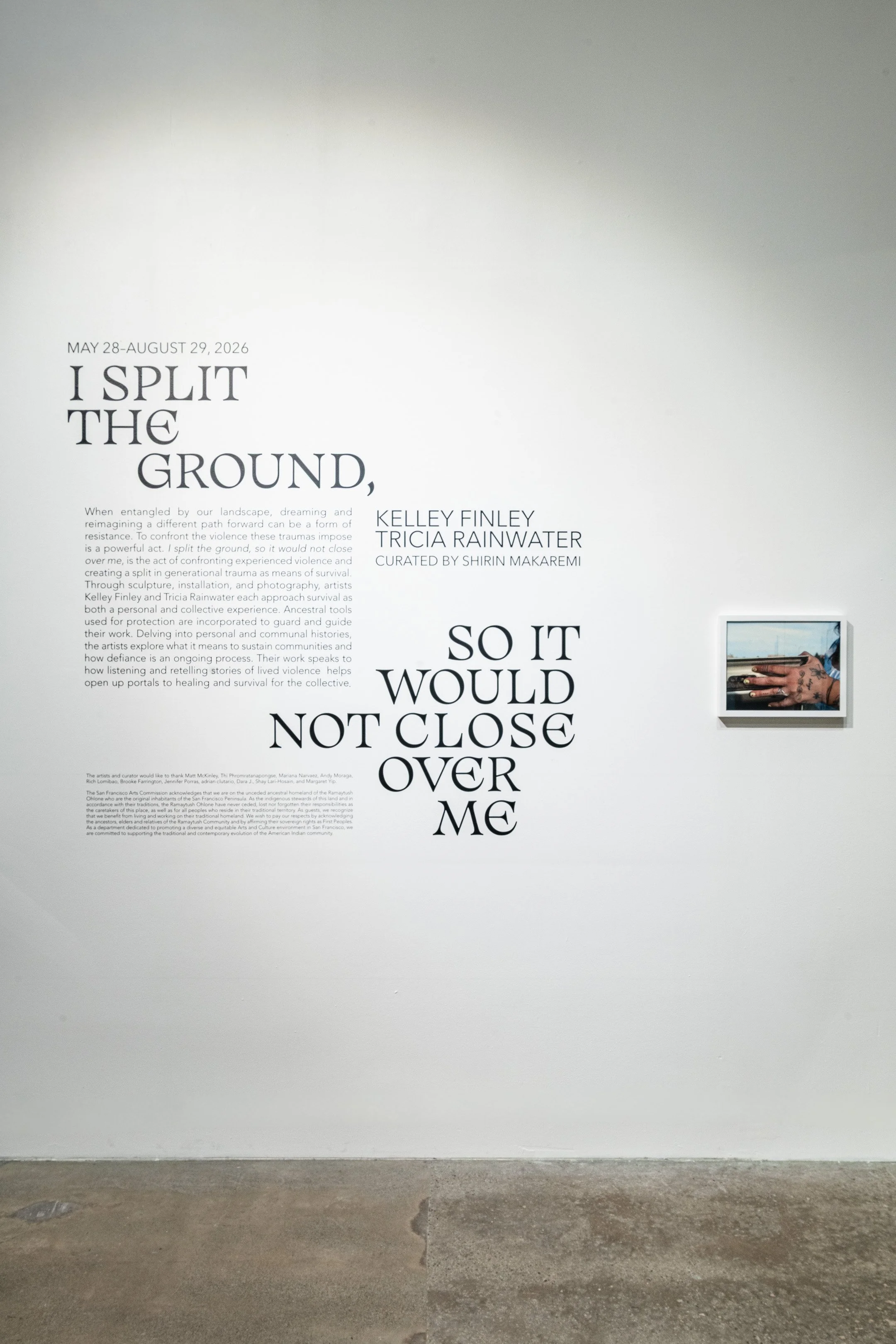
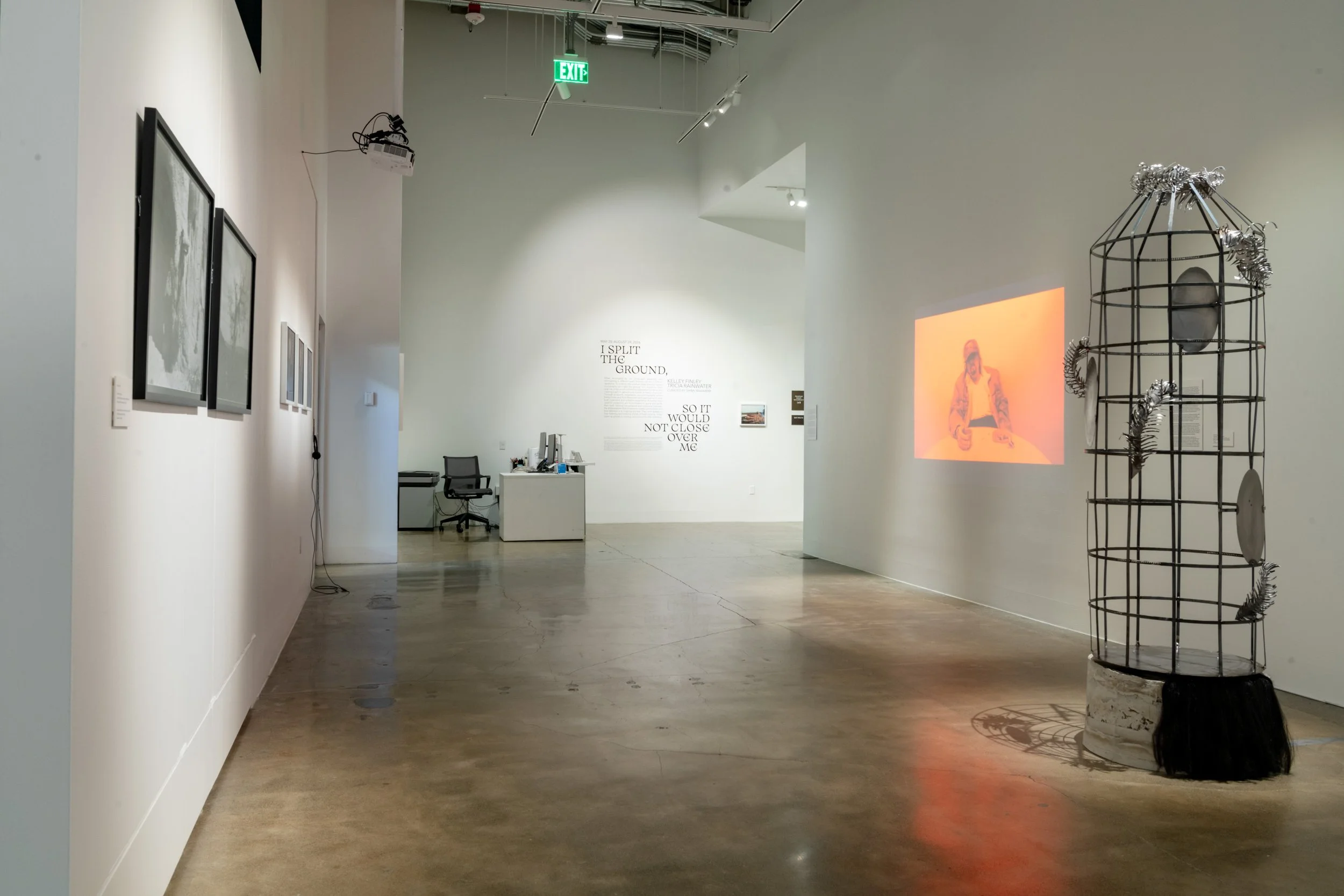
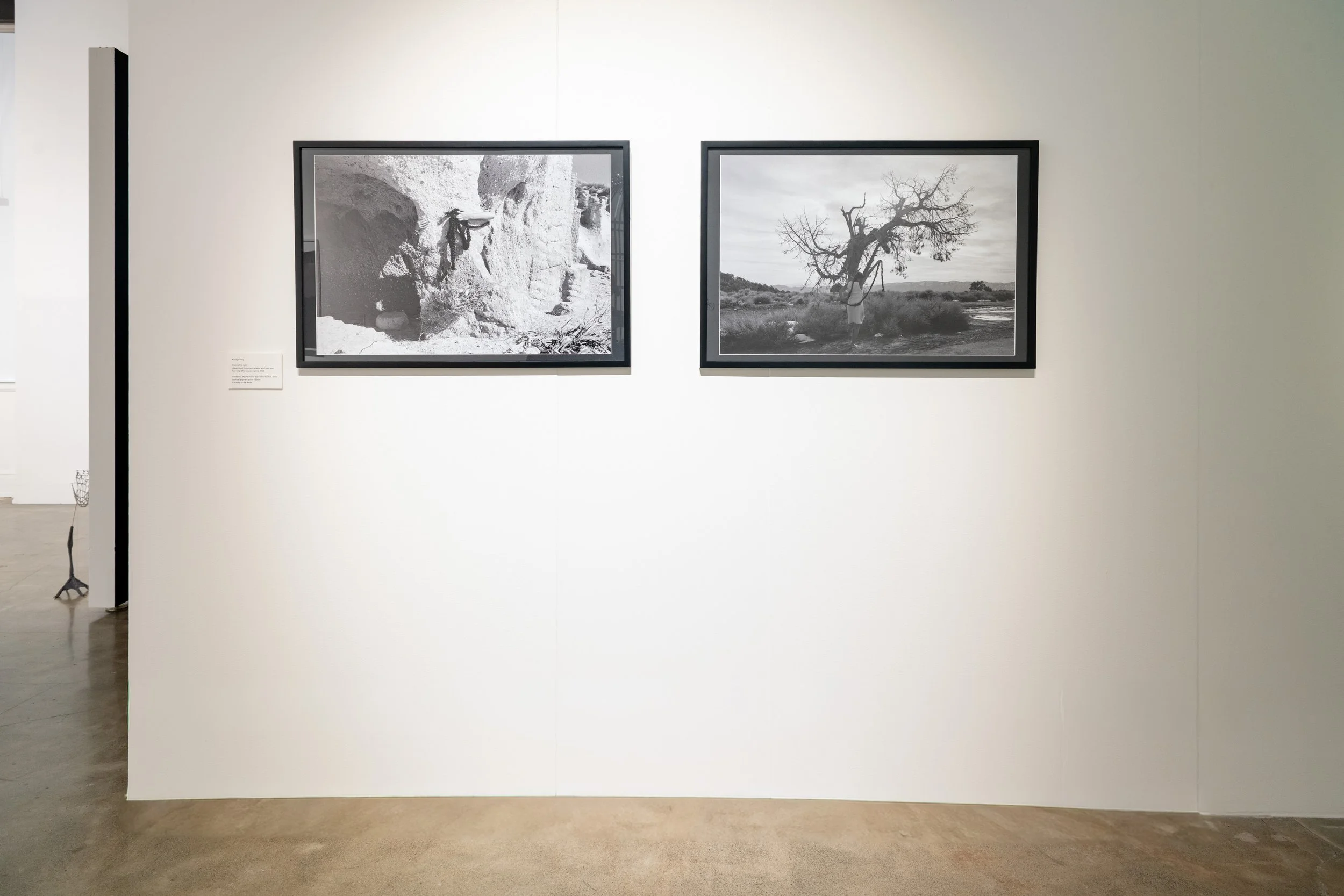
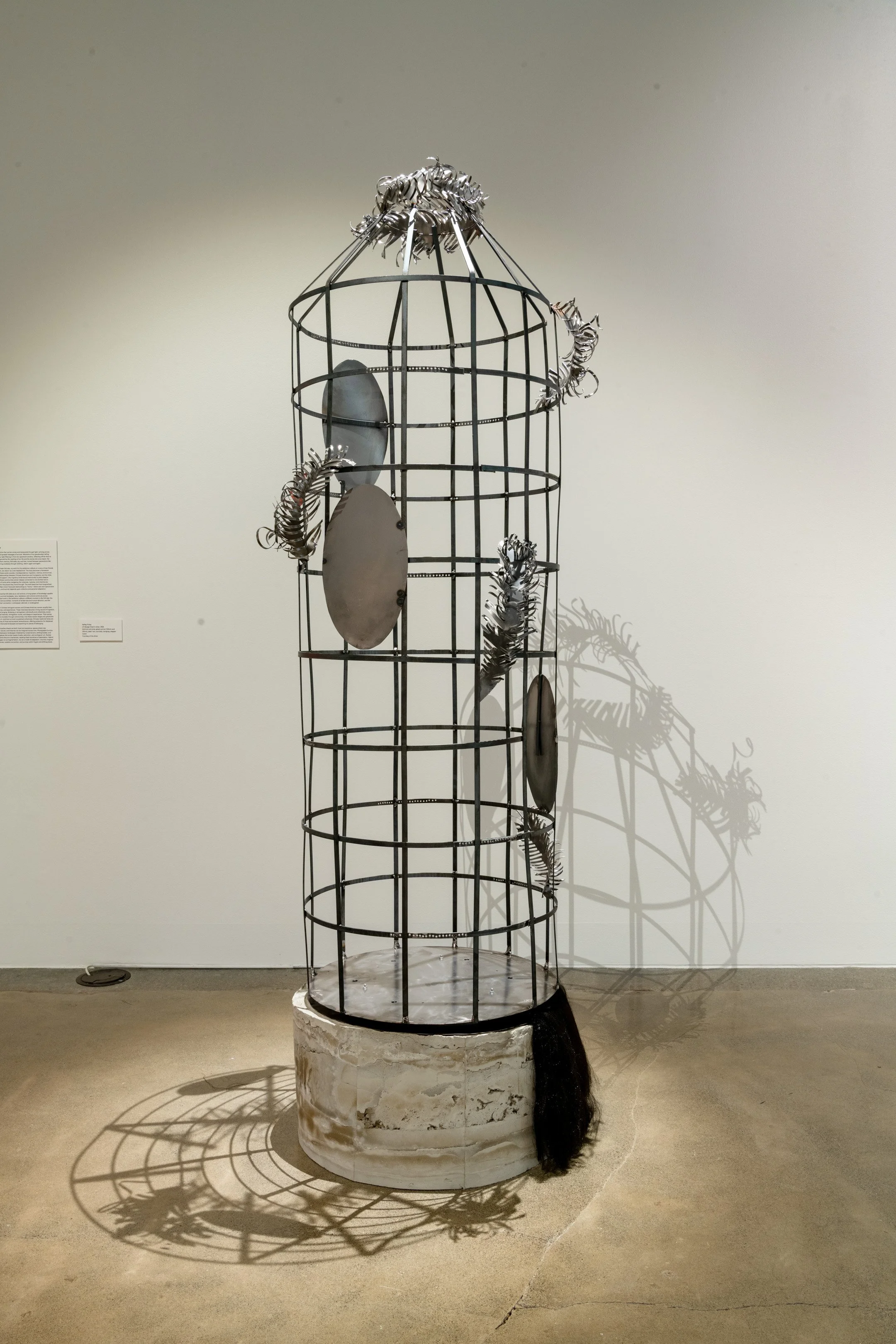
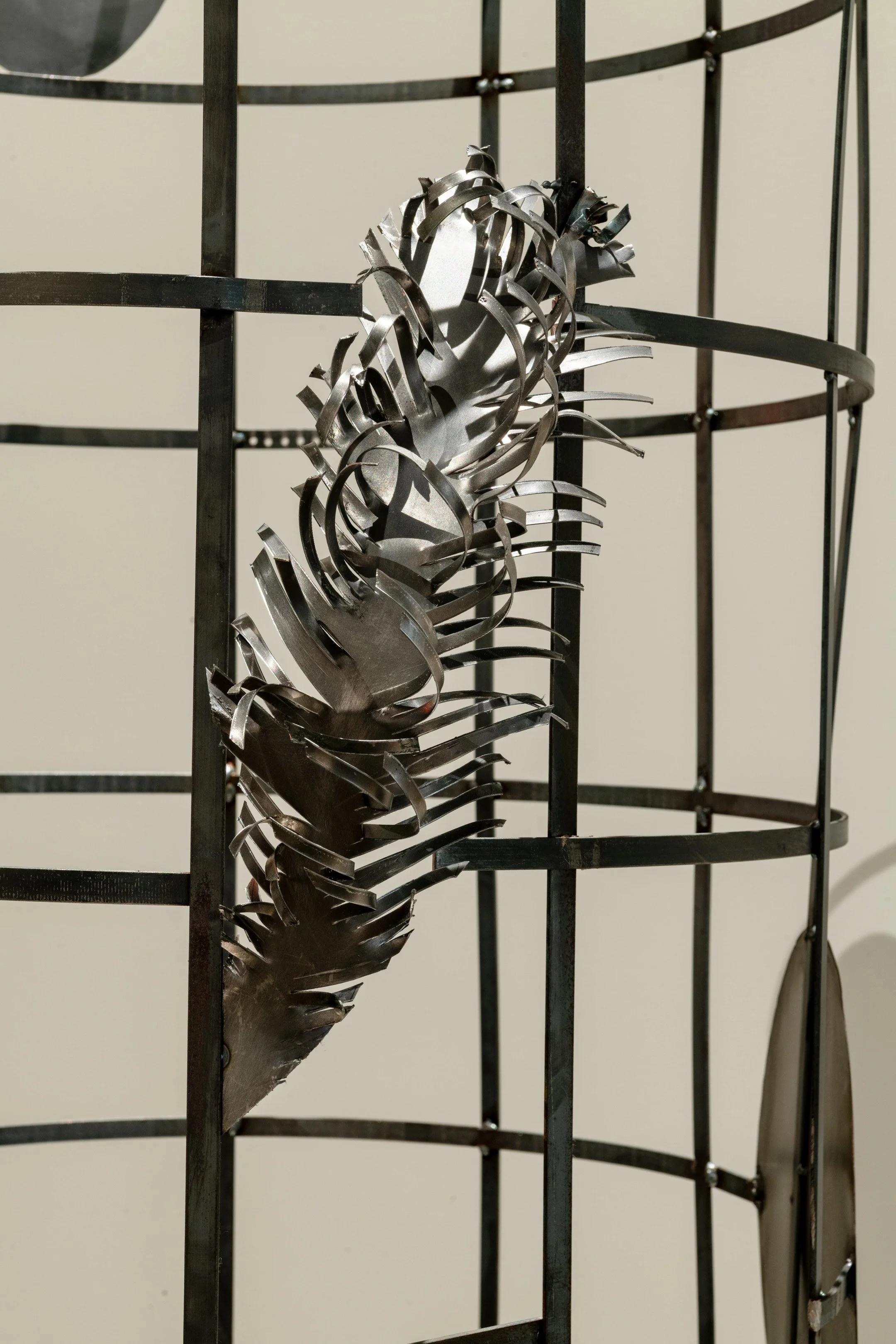
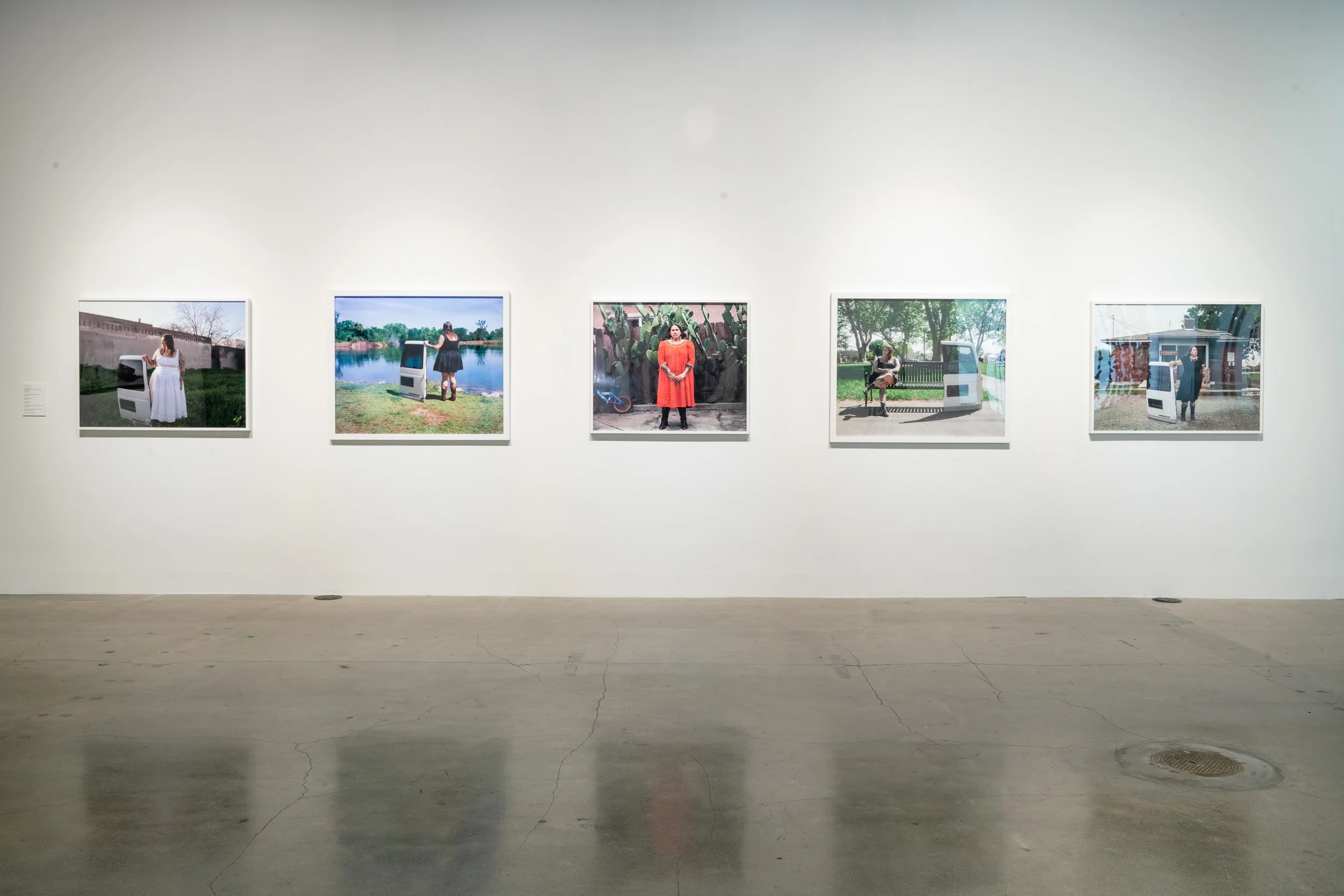
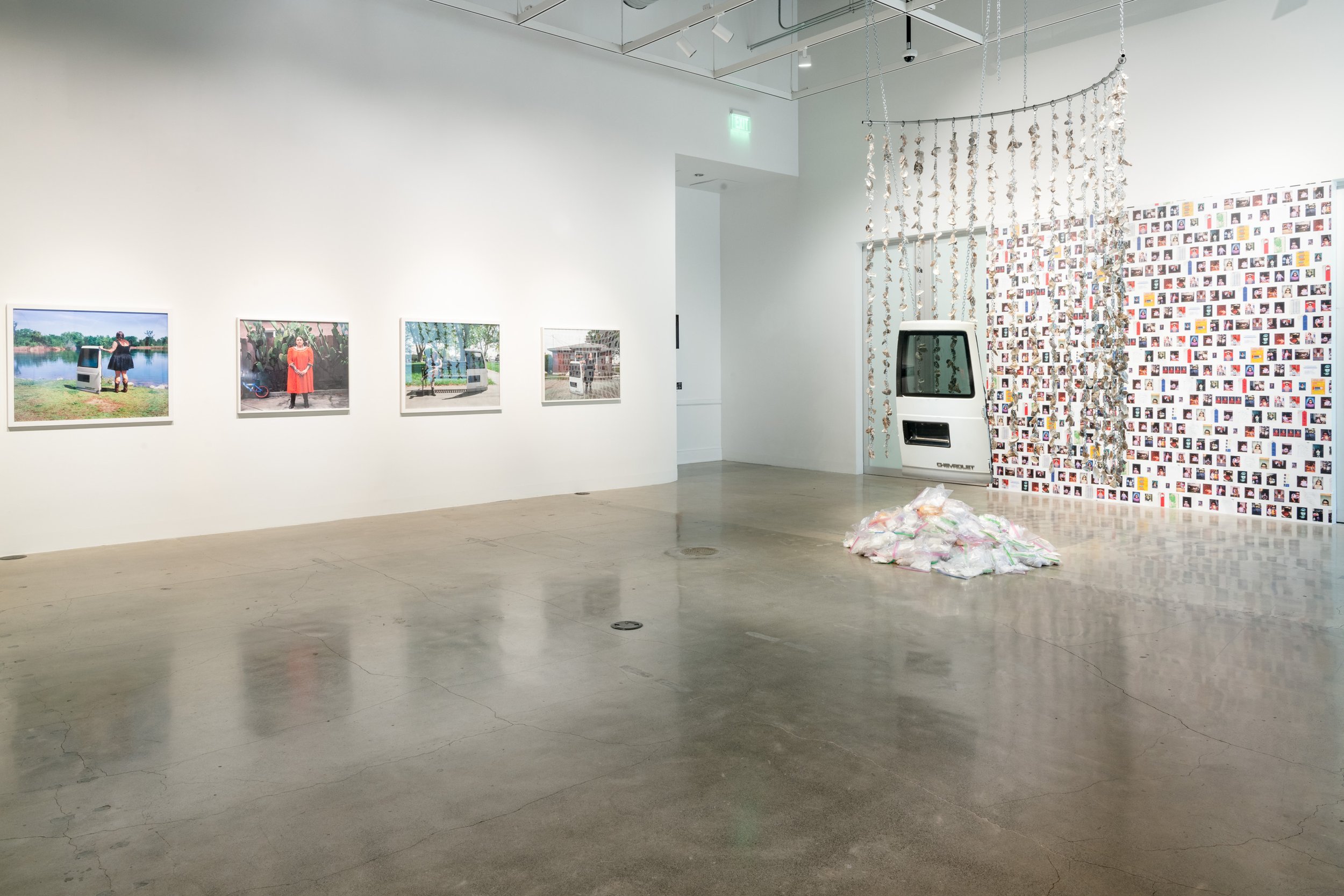
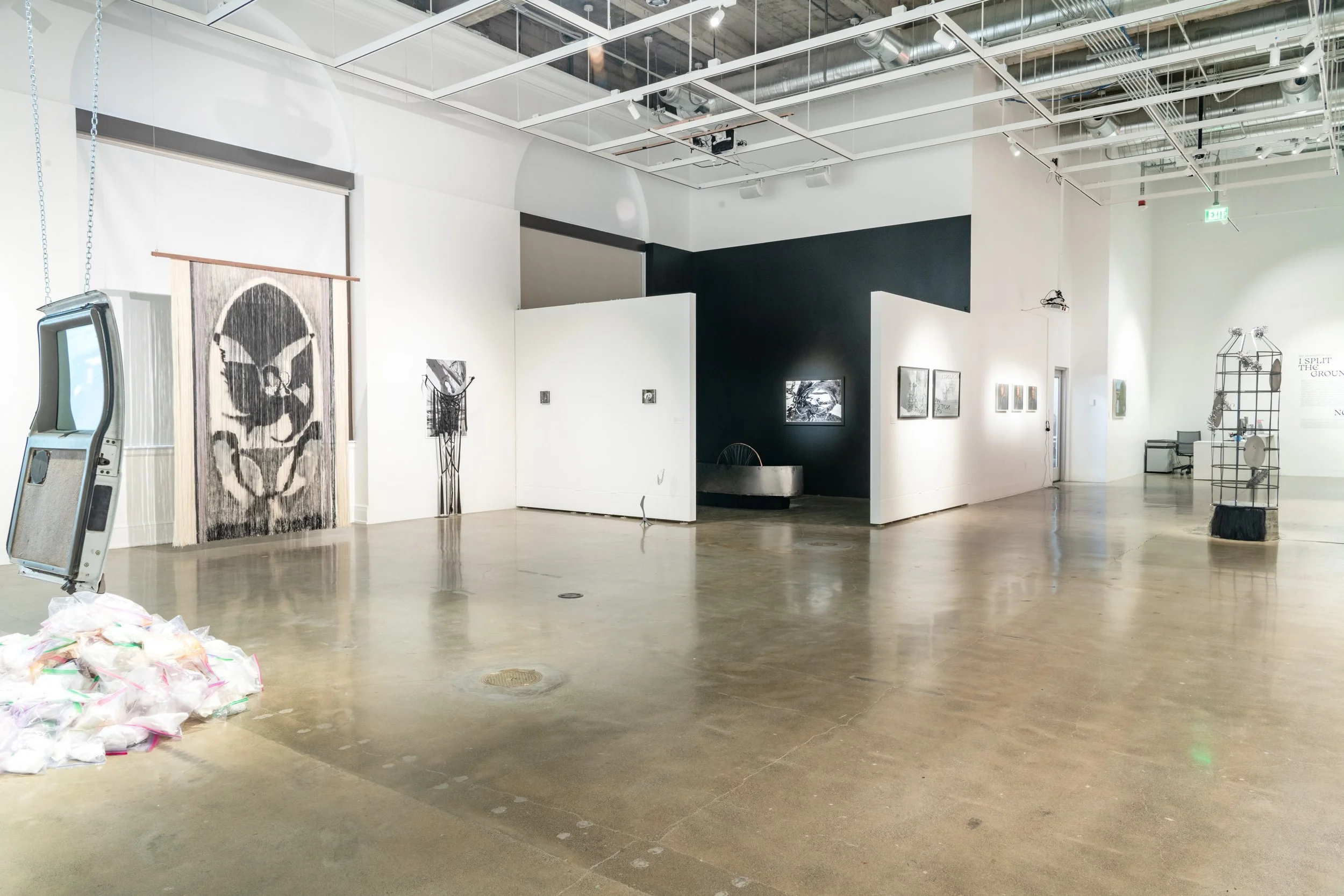
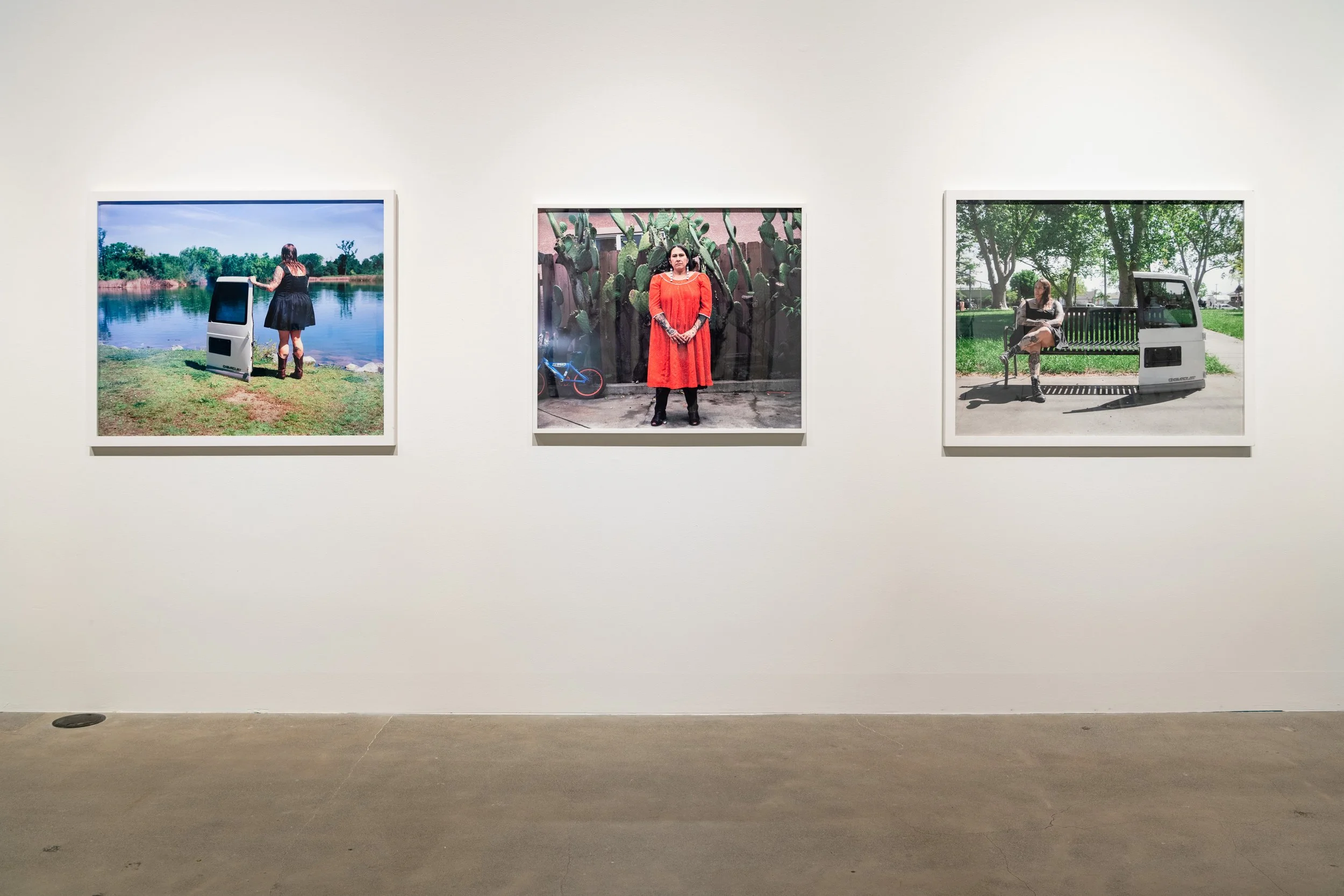
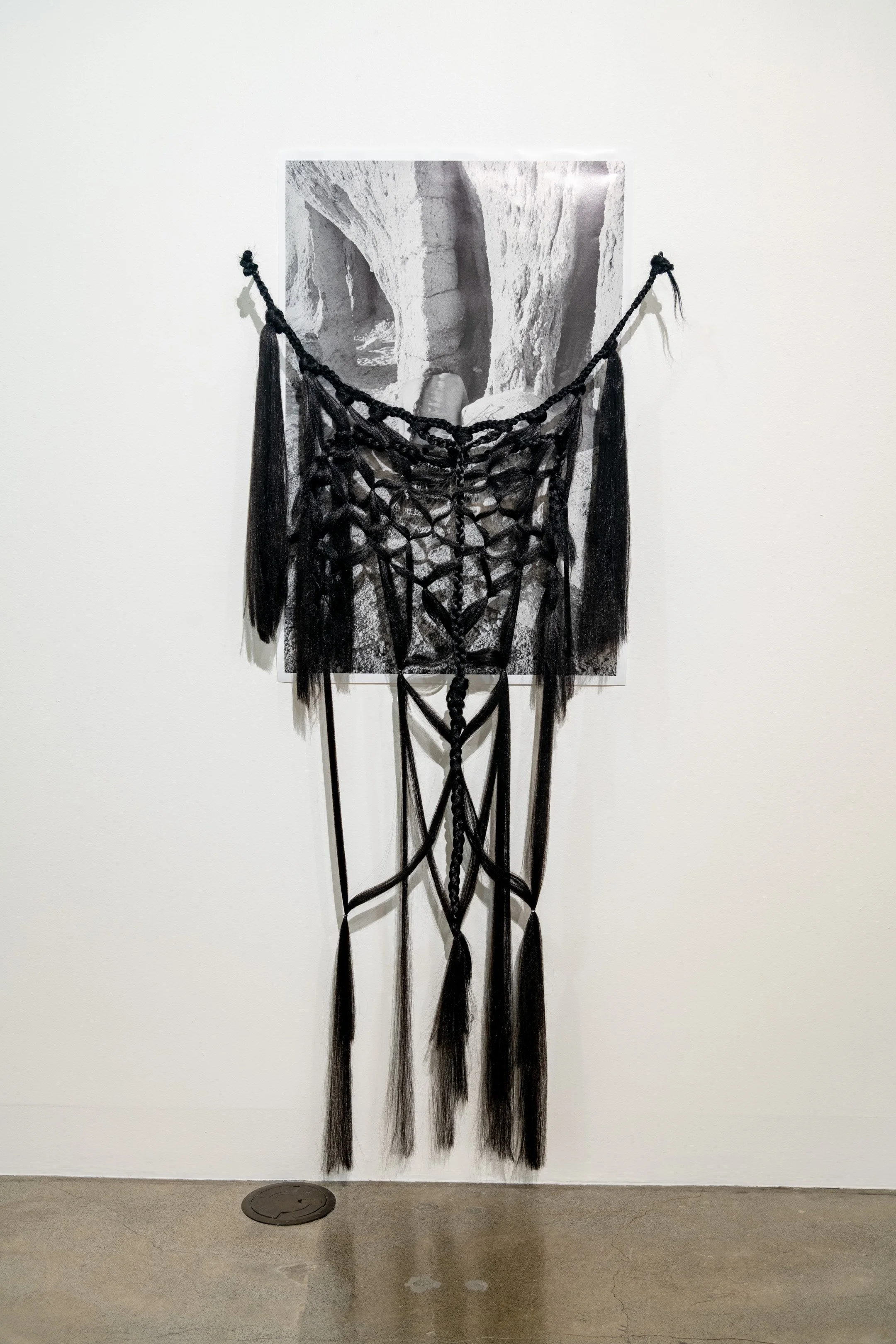
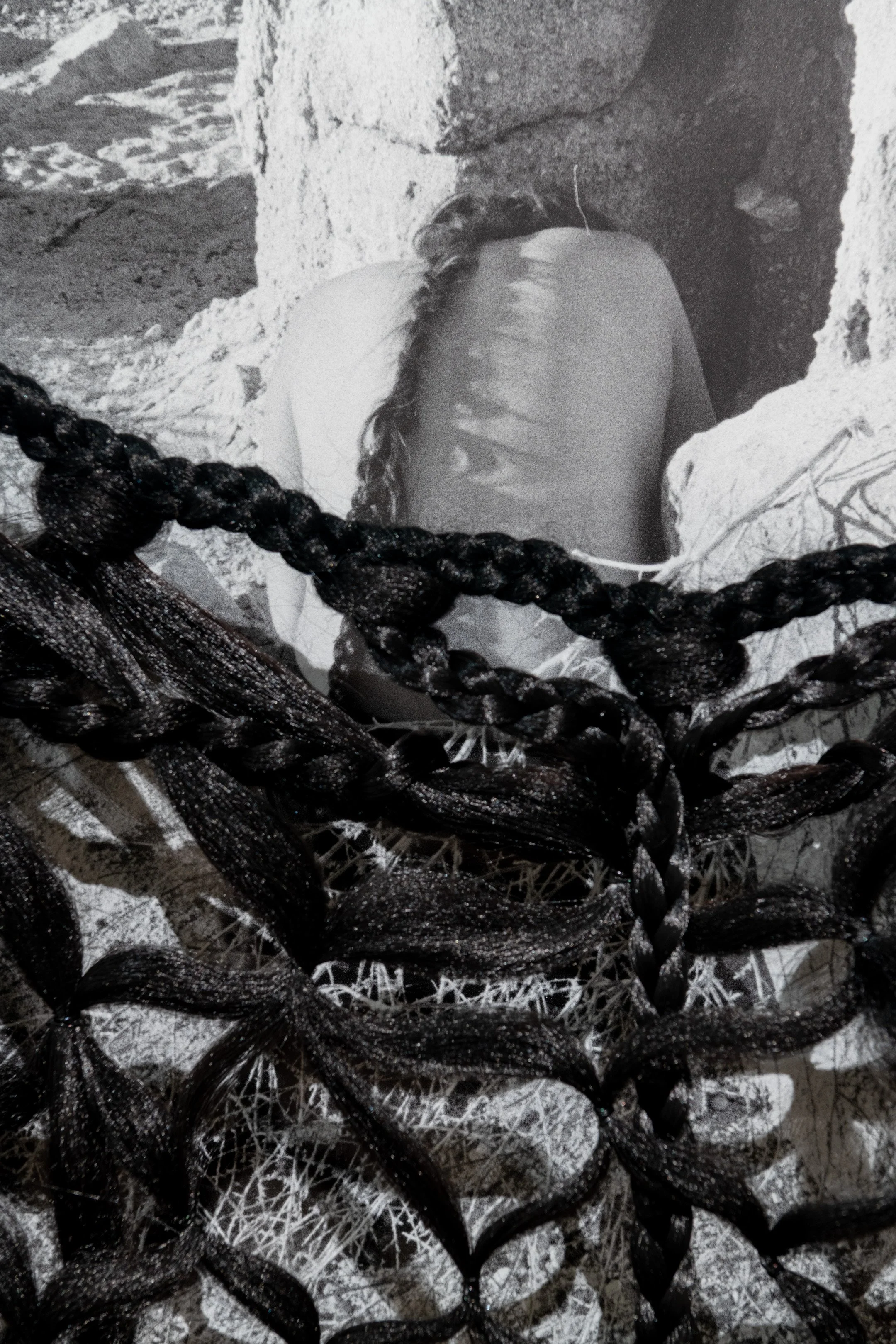
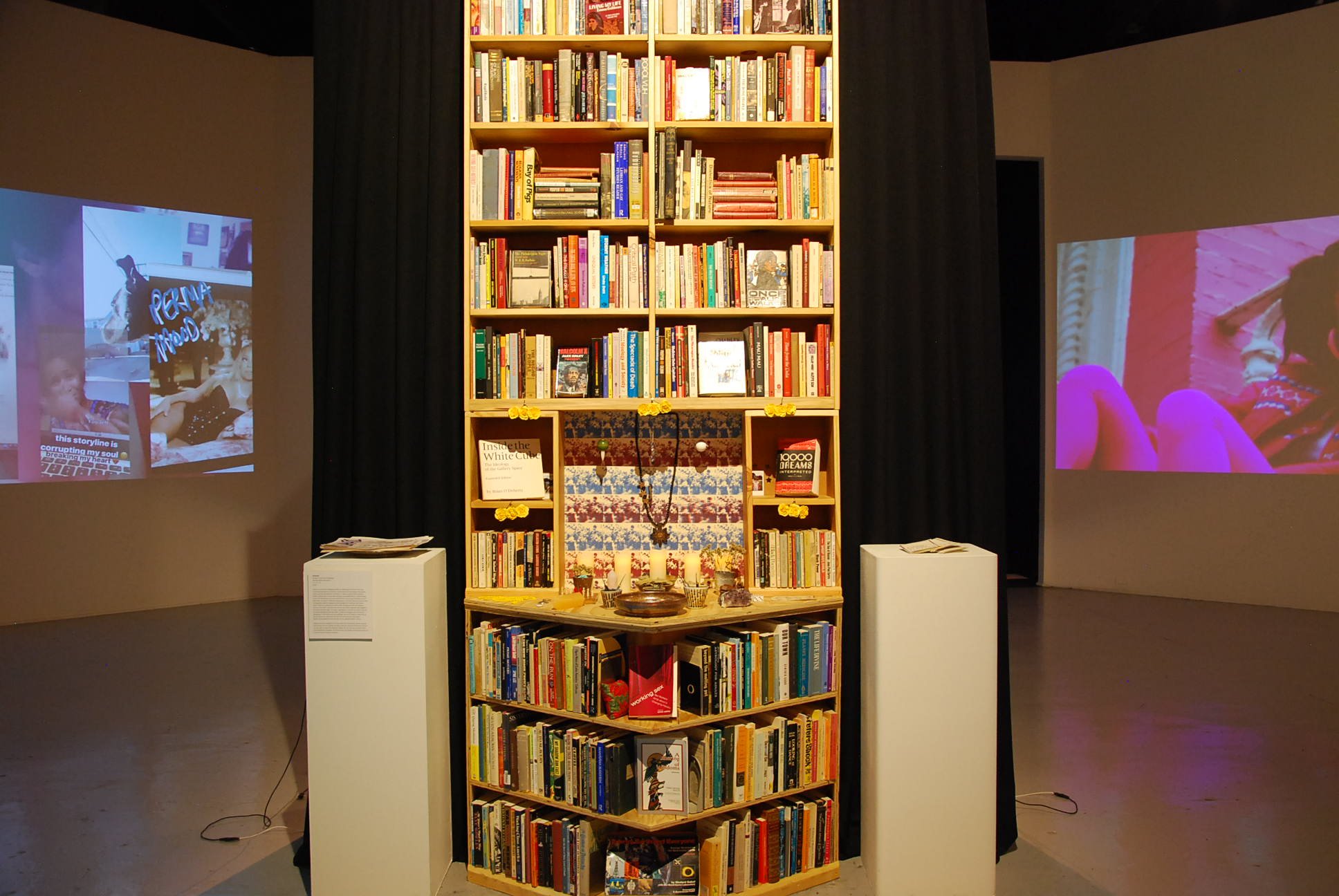
I split the ground, so it would not close over me is the resulting exhibition of the second round of the mentorship fellowship program at SFAC Galleries. I had the privilege of working with artists Kelley Finley and Tricia Rainwater the first half of 2026 in preparing of their exhibition. The following is short text about the exhibition. To learn more about the exhibition and read my curatorial essay please review the digital brochure here. The exhibition is on view from May 28th through August 29th of 2026.
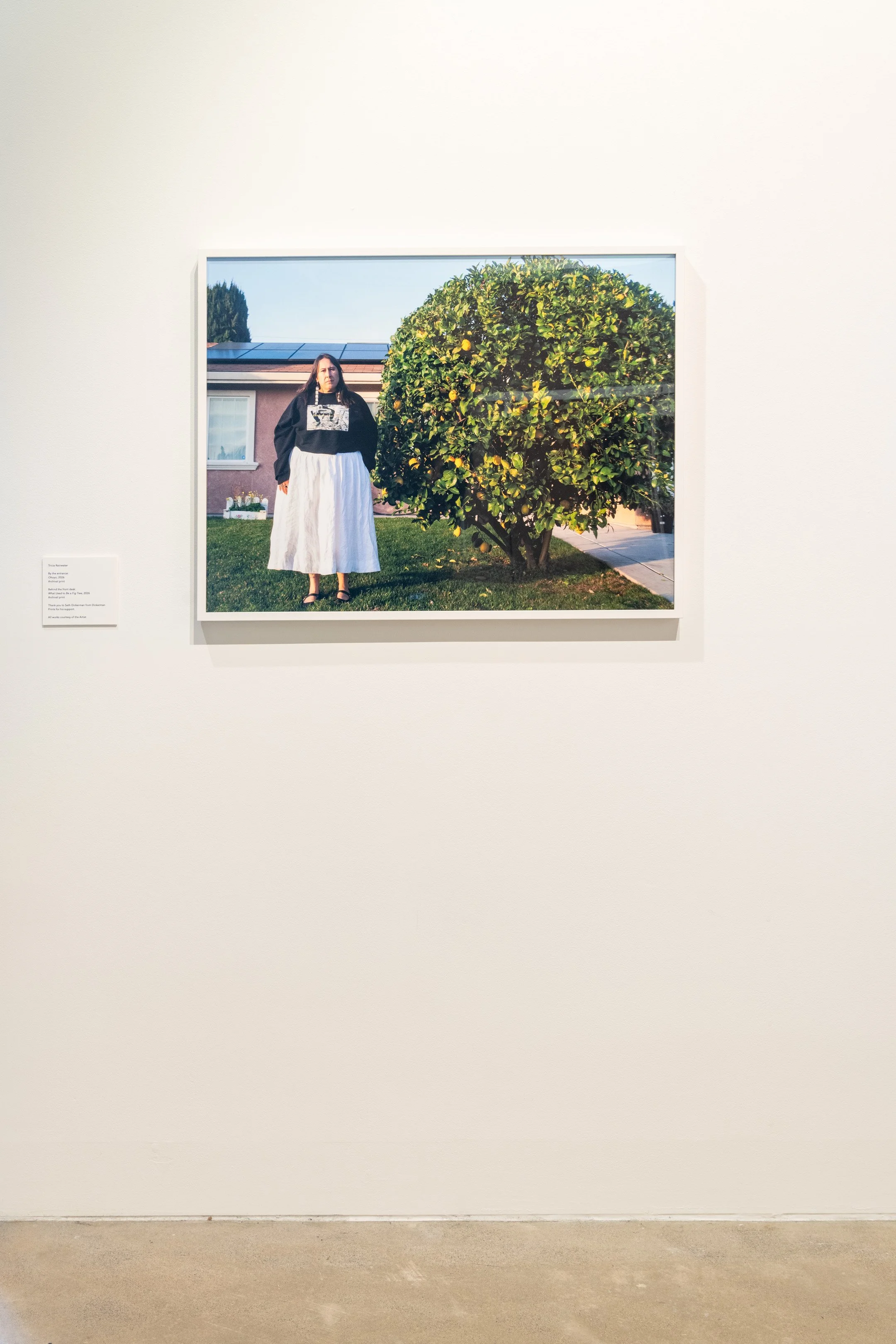
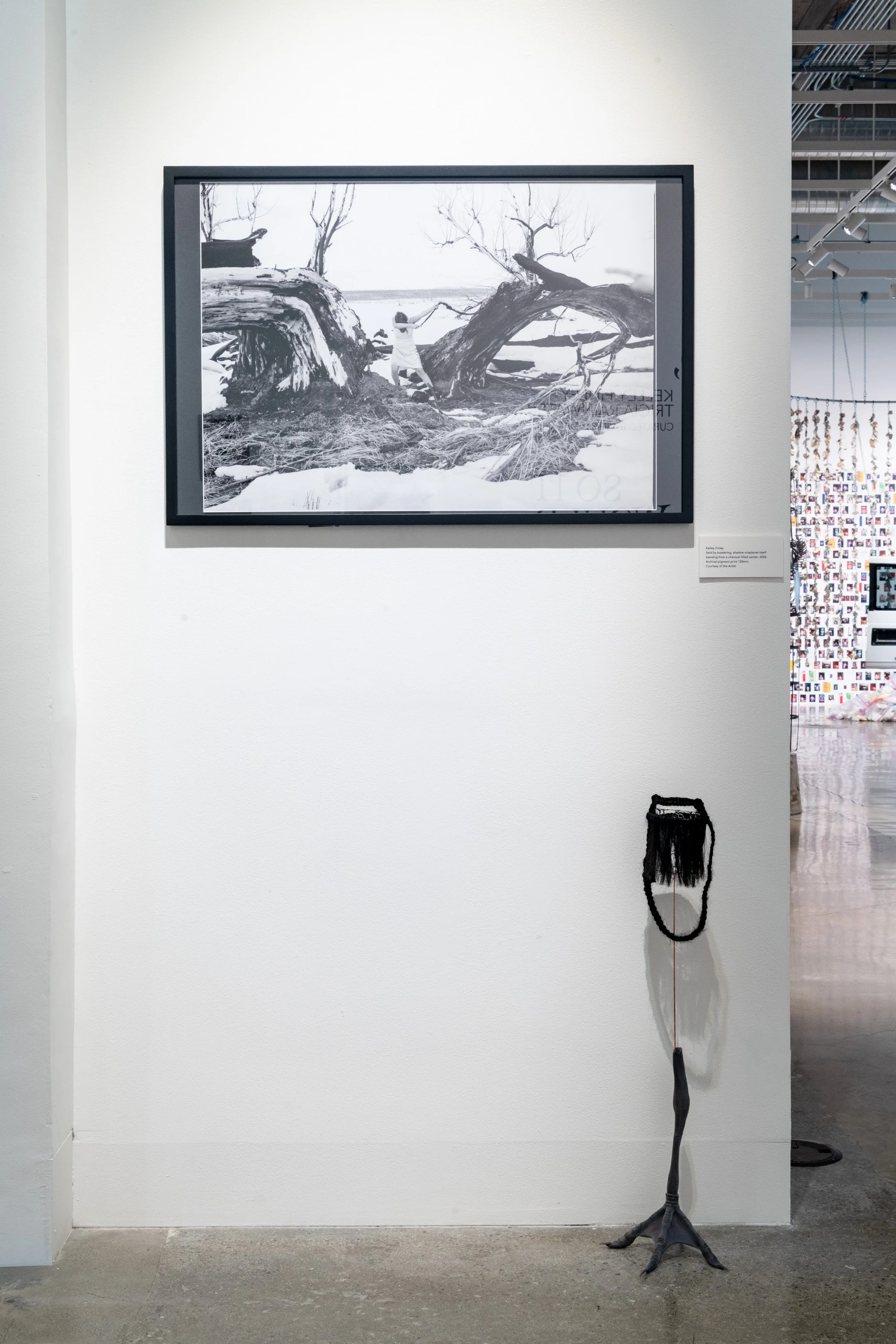
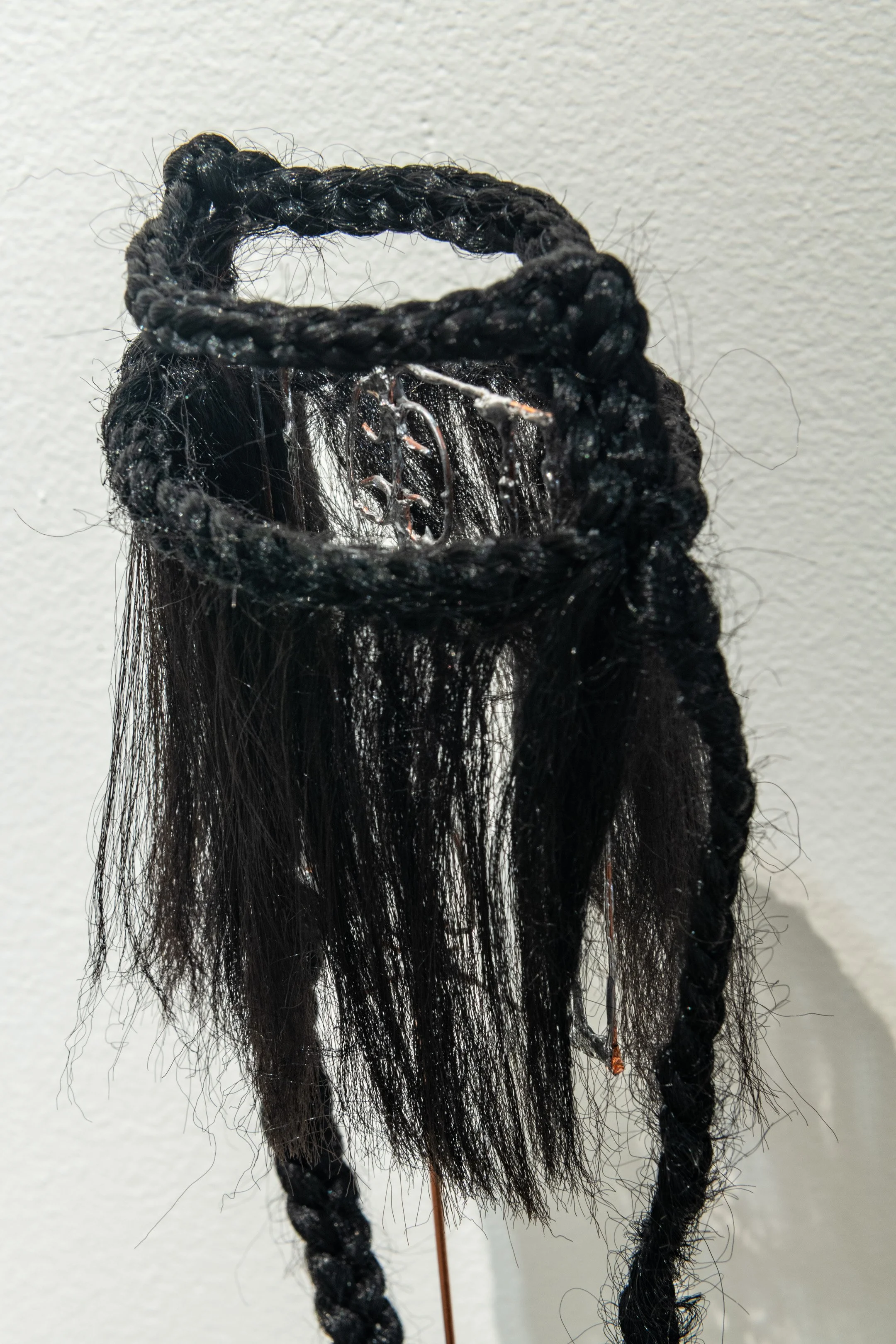
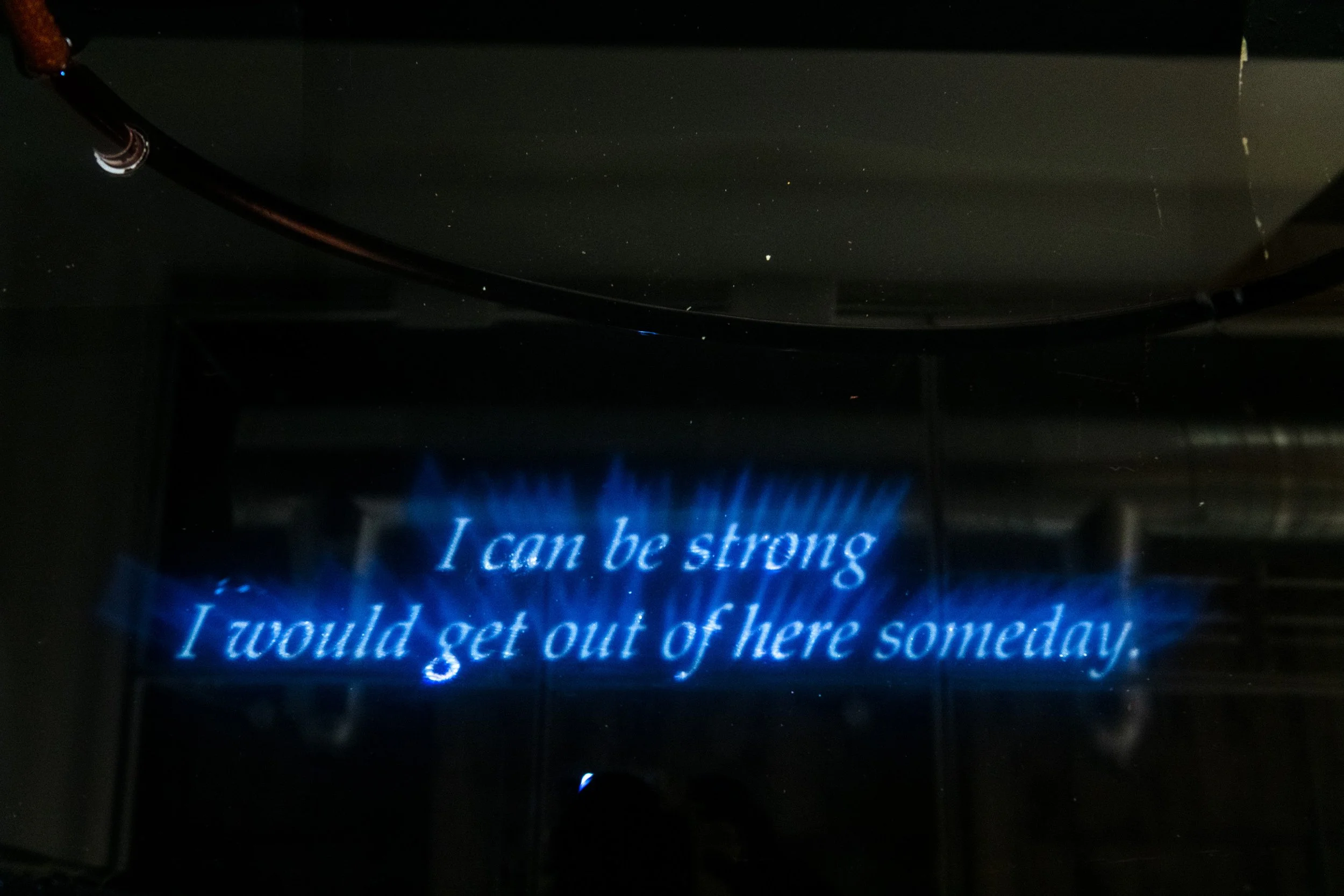
When entangled by our landscape, dreaming and reimagining a different path forward can be a form of resistance. To confront the violence these traumas impose is a powerful act. I split the ground, so it would not close over me, is the act of confronting experienced violence and creating a split in generational trauma as means of survival. Through sculpture, installation, and photography, artists Kelley Finley and Tricia Rainwater each approach survival as both a personal and collective experience. Ancestral tools used for protection are incorporated to guard and guide their work. Delving into personal and communal histories, the artists explore what it means to sustain communities and how defiance is an ongoing process. Their work speaks to how listening and retelling stories of lived violence, helps open up portals to healing and survival for the collective.
Thank you to San Francisco Art Commission Galleries team and Aaron Wojack for beautifully capturing the exhibition.
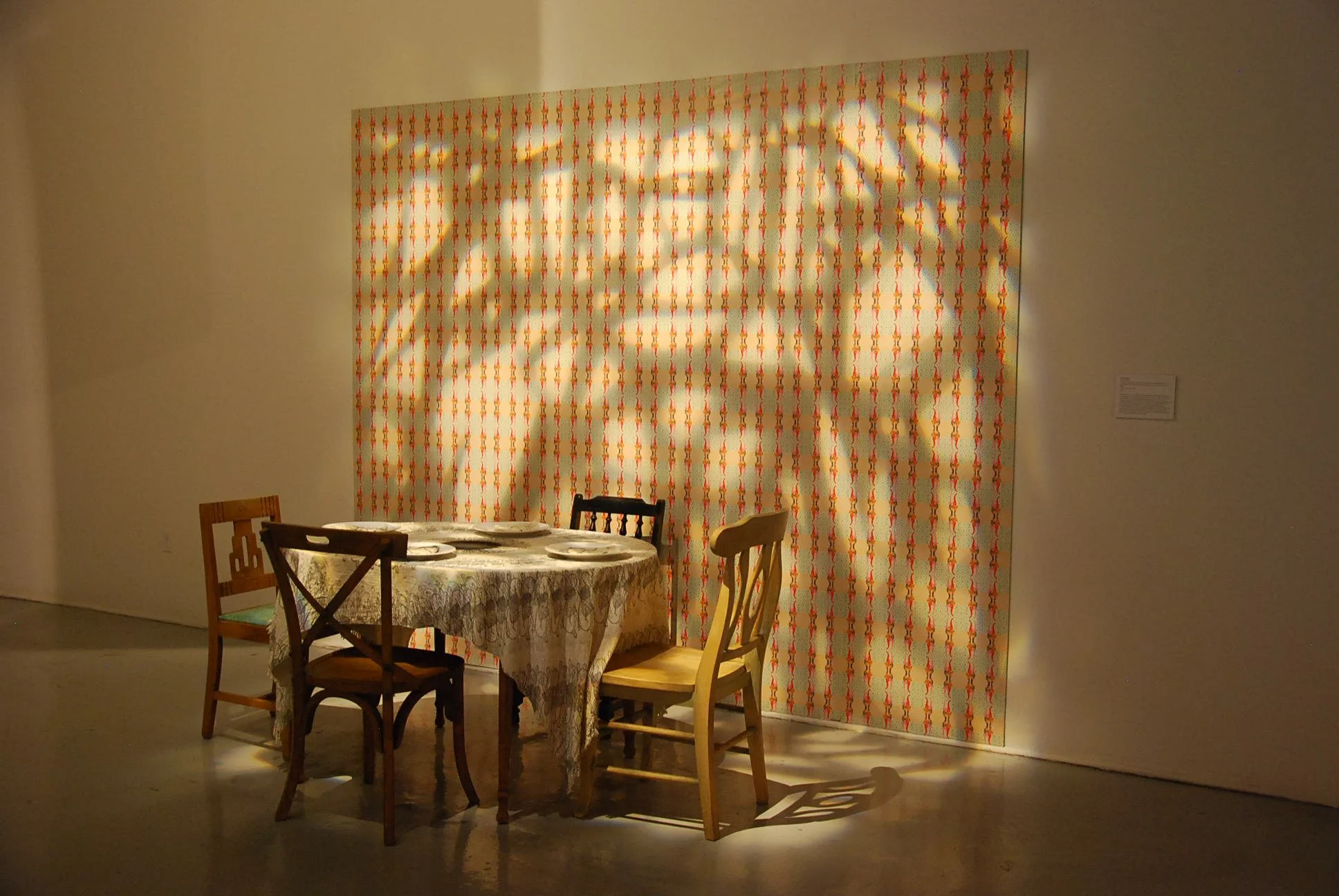
When Unearthed Sights Collide was the resulting exhibition of a mentorship/fellowship program through the San Francisco Arts Commission Main Gallery. Throughout Spring and Summer of 2024, I mentored emerging artists Shirin Khalatbari and Sun Park and worked with them towards their two person exhibition at SFAC Main Gallery. When Unearthed Sights Collide opened and was on view Fall 2024. Below is more about the exhibition. Thank you to SFAC Main Gallery team for the opportunity and support throughout this experience.
What happens when we feel empowered to take control of the narrative from Western doctrines and allow ourselves to ground into our own rituals and history? We may be charmed by what’s reflected out.
When Unearthed Sights Collide examines the exploration of such inquiries through the interpretations of two artists. Through installation, photography, drawing, and sculpture, Shirin Khalatbari and Sun Park surface and shape alternative narratives that question the established notions of religion and archeology.
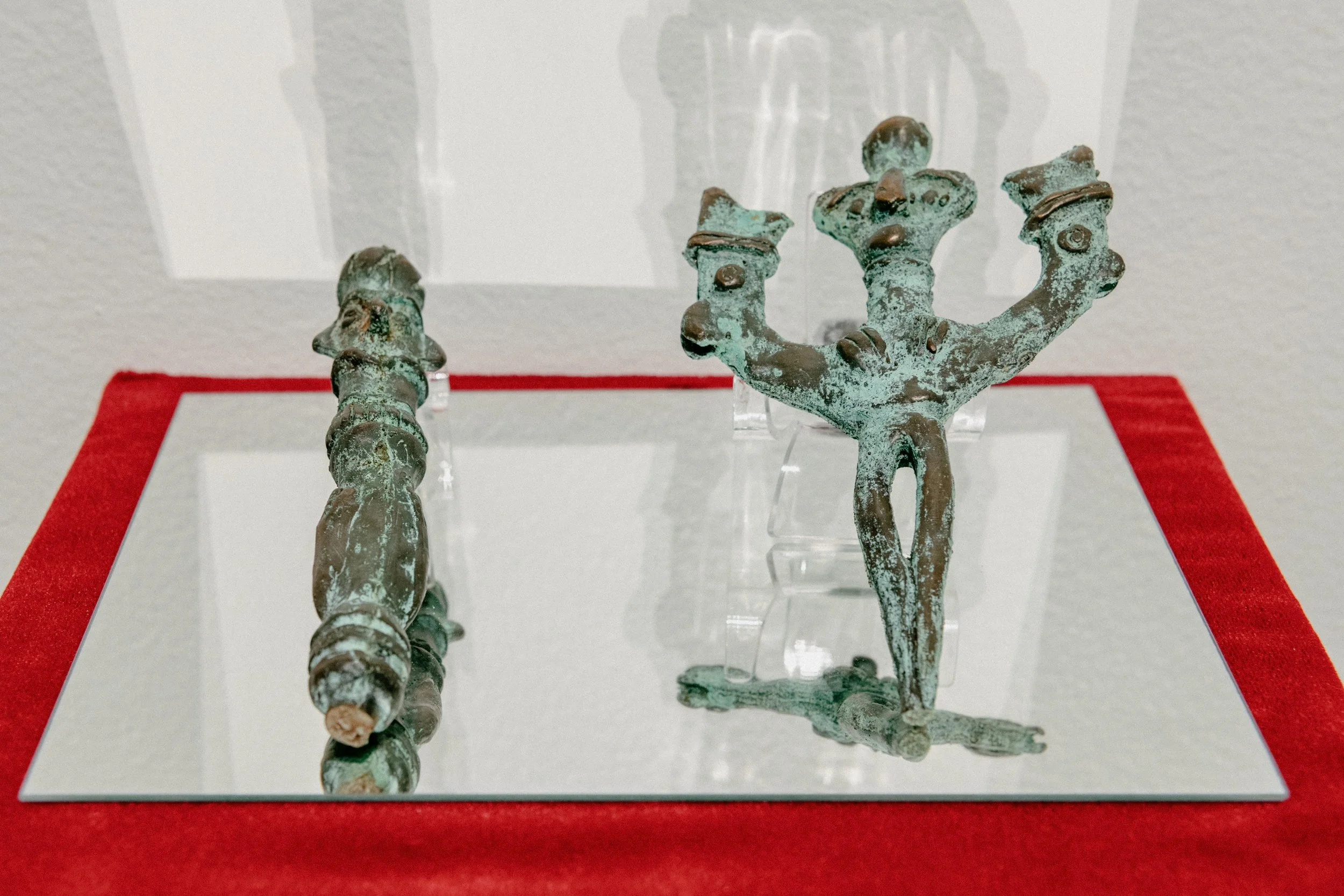
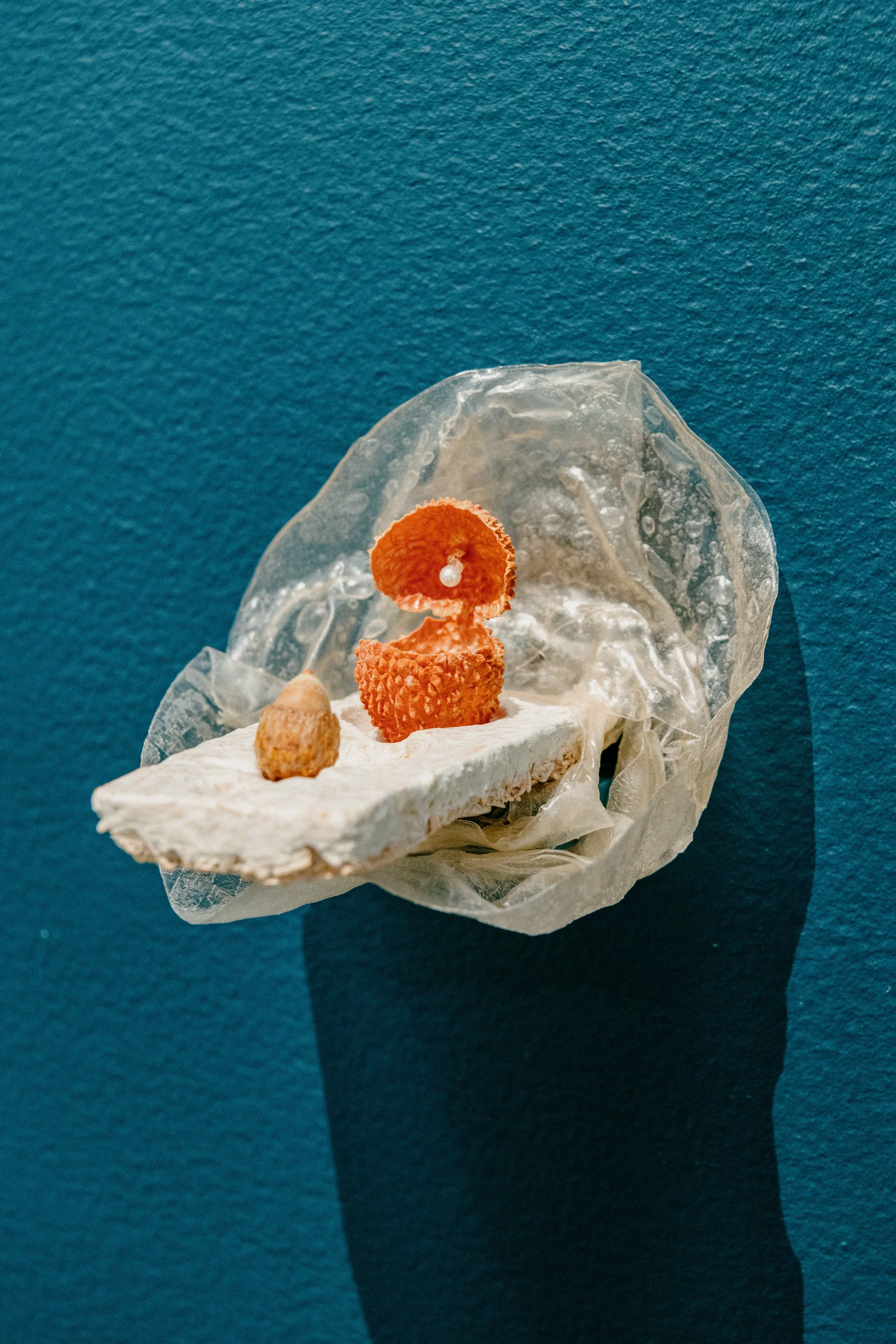
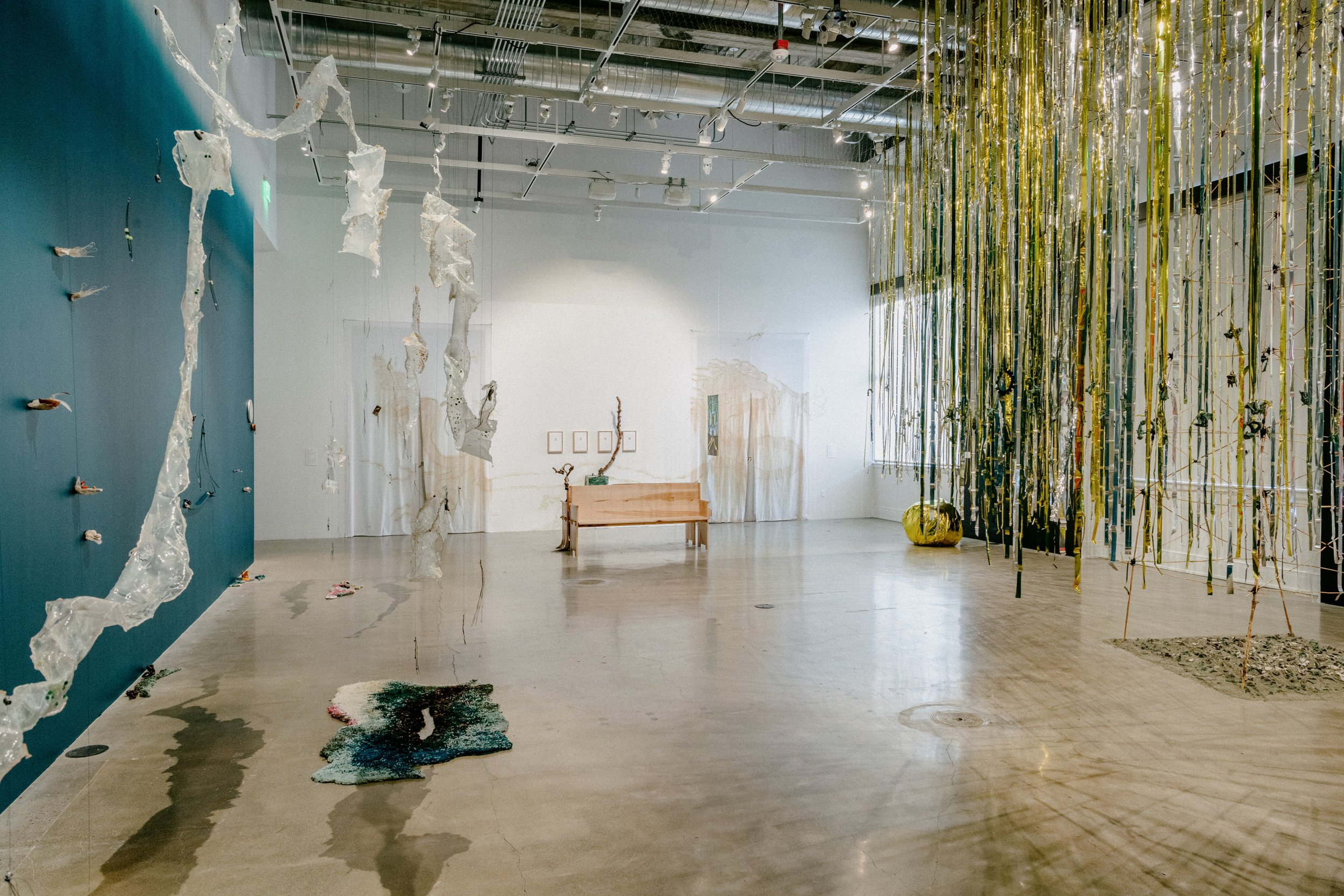
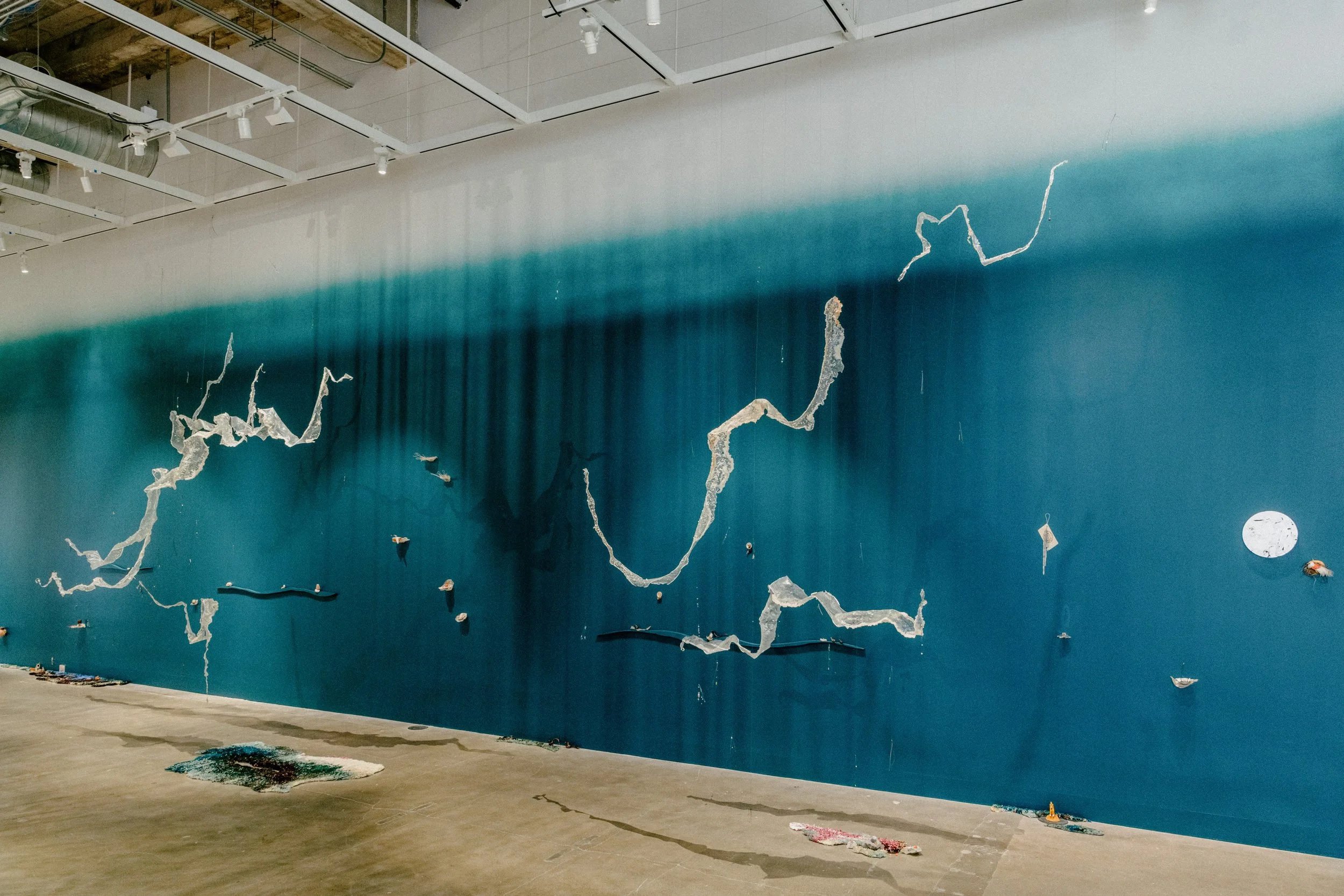
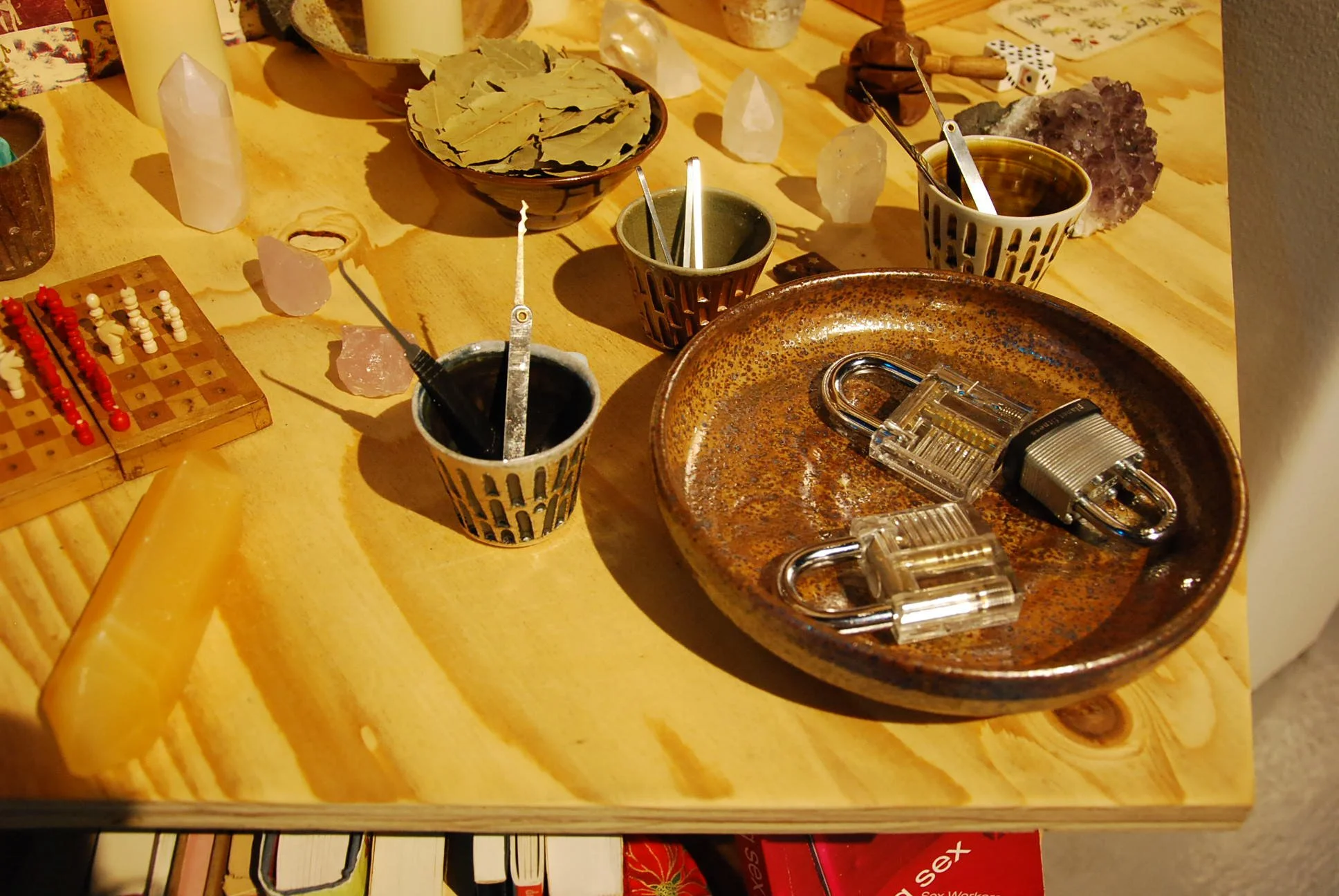
Park’s installation begins left of the gallery entrance and walks you through their personal mythology and rituals. As you move through the installation, you’ll feel the guidance and luring presence of dragons in many forms. A nod to this year’s cosmological astrology, the wooden dragon. Take a closer look at the objects before you. Some are common and familiar materials, rice paper, a Lego piece, lychee skin, communion crackers, and so on. Some are natural and some are not, a true reflection of our existing world. All are treated with respect and displayed symbolically; they present Park and collaborator tani tane’s ritualistic practices. The installation leaves the viewer with the question of what feeds us spiritually and how we digest that into our bodies. Their work pulls from childhood experiences and narratives from literature that illuminate the act of consumption and invite viewers to reconsider the boundaries of identity and community.
Take a moment to sit on the smooth wooden benches and try to root yourself in the moment. If facing the fountain, you may be meditated towards another place or space. Facing the other direction, you may find a blurry reflection of yourself and start imagining other ways of being.
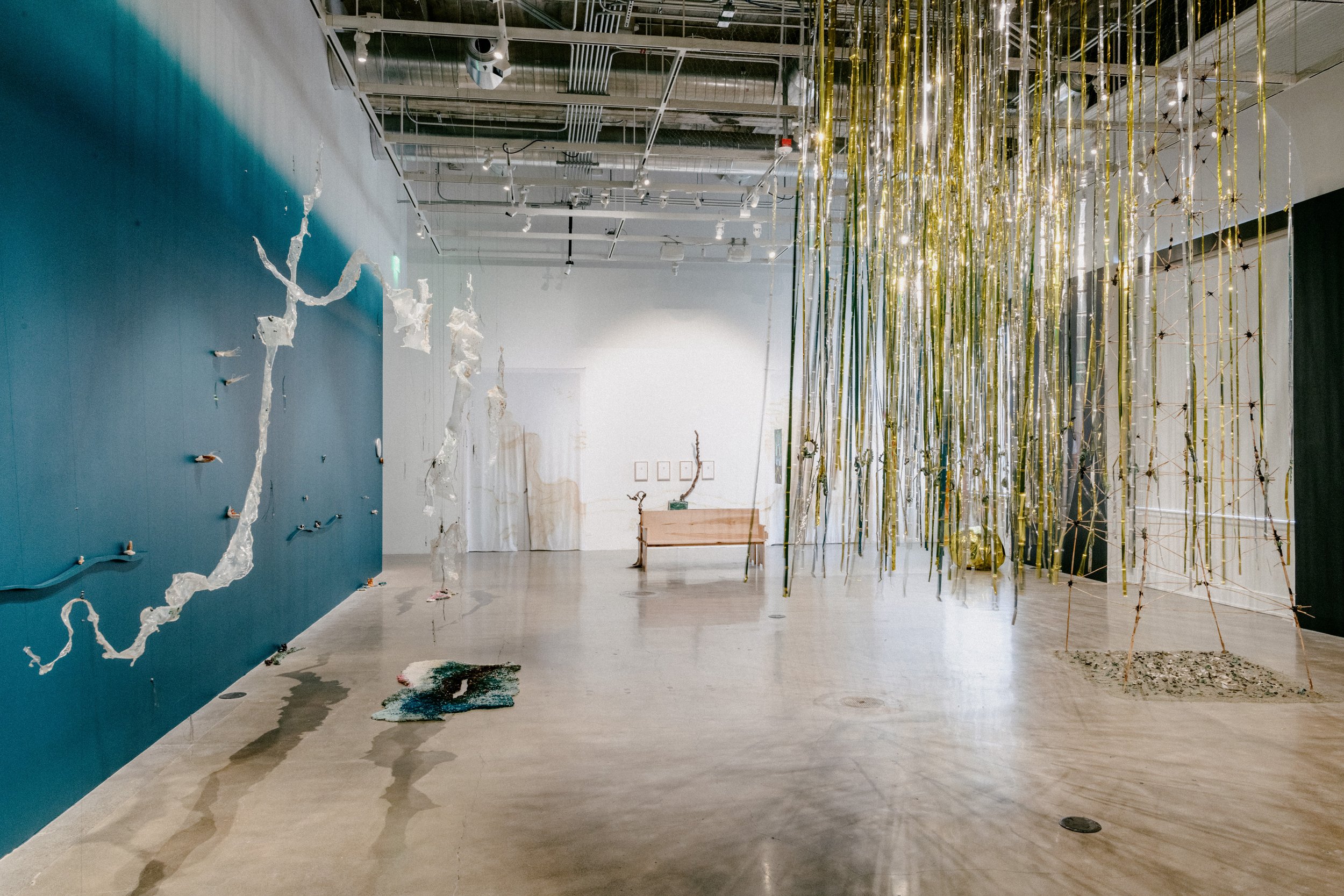
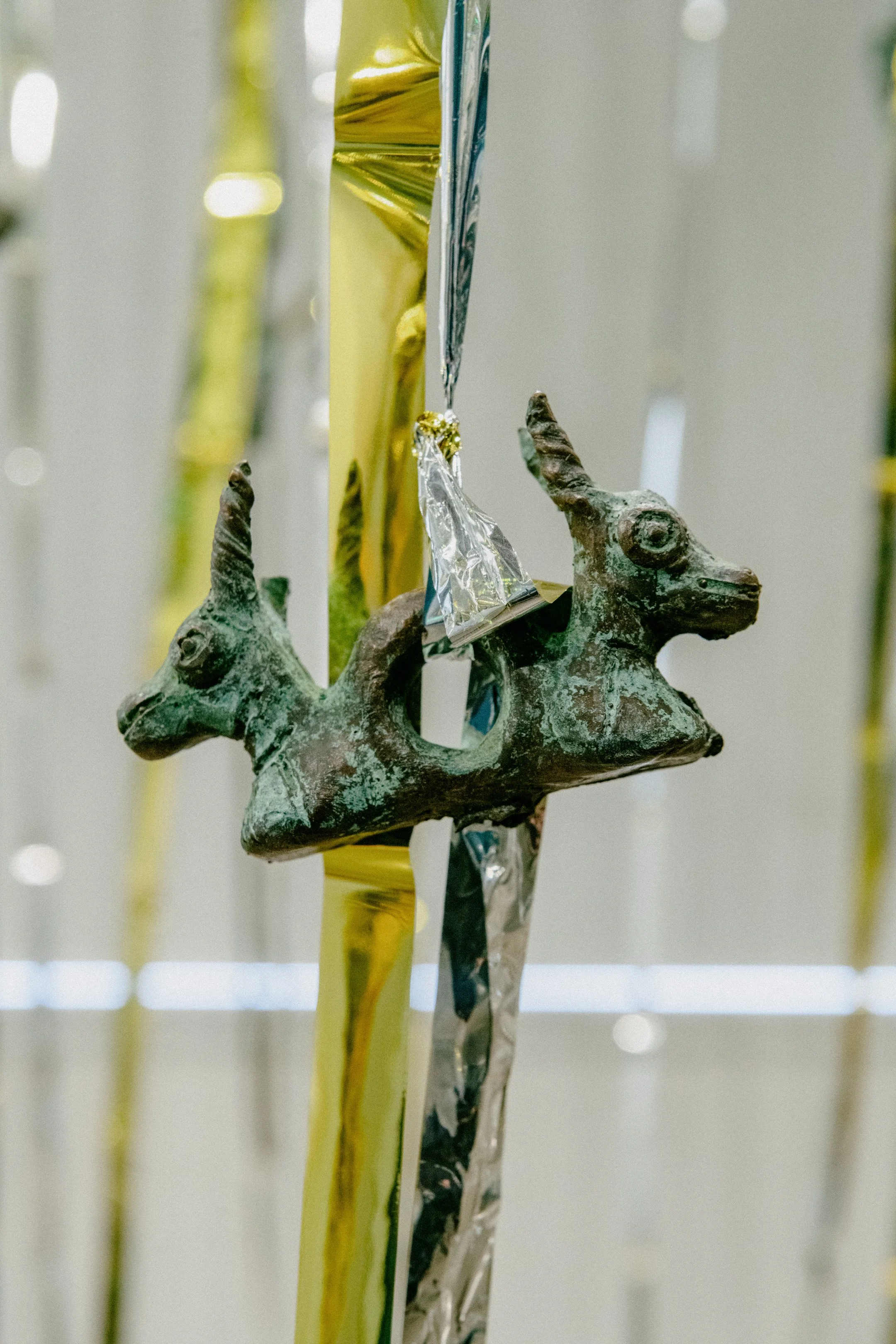
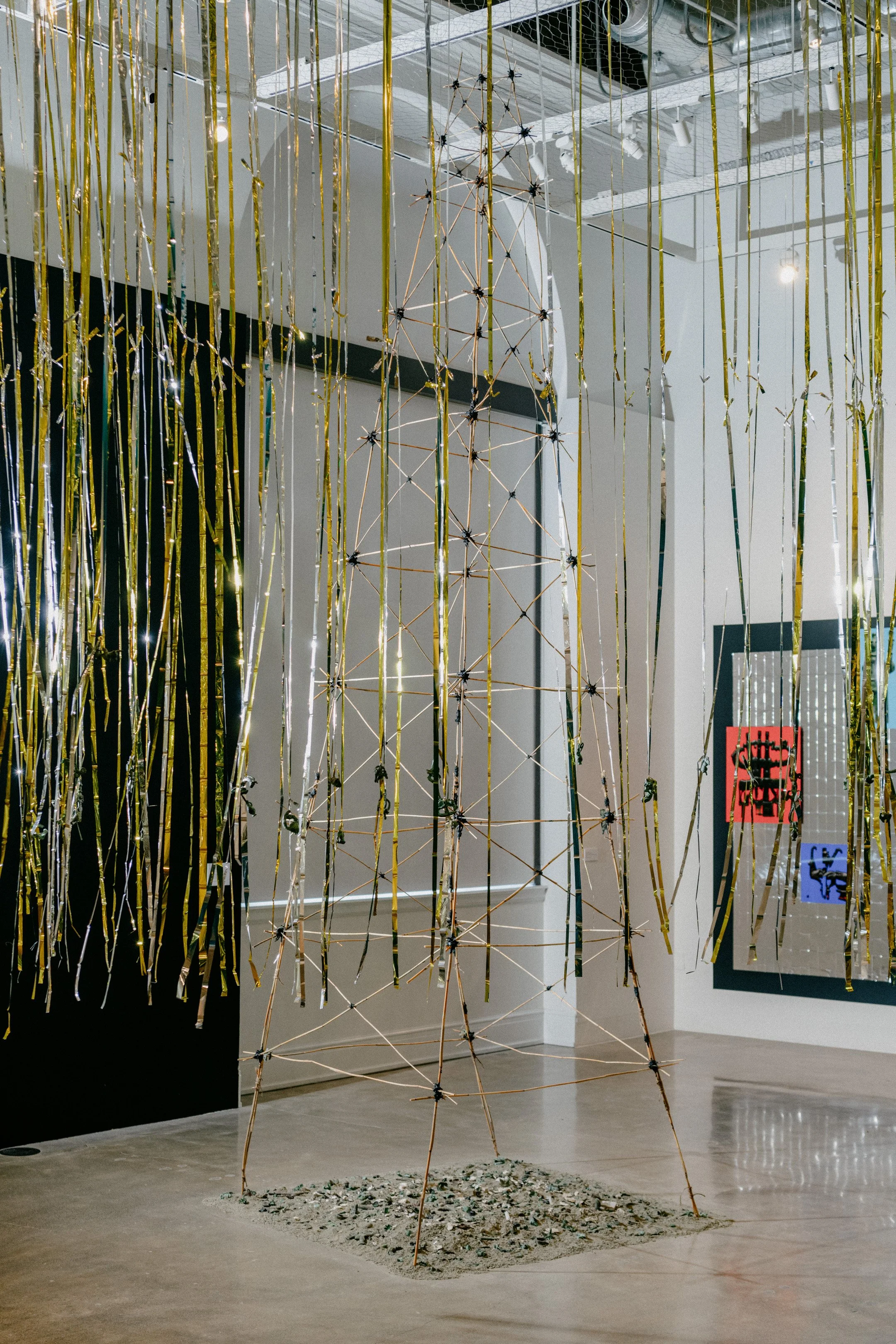
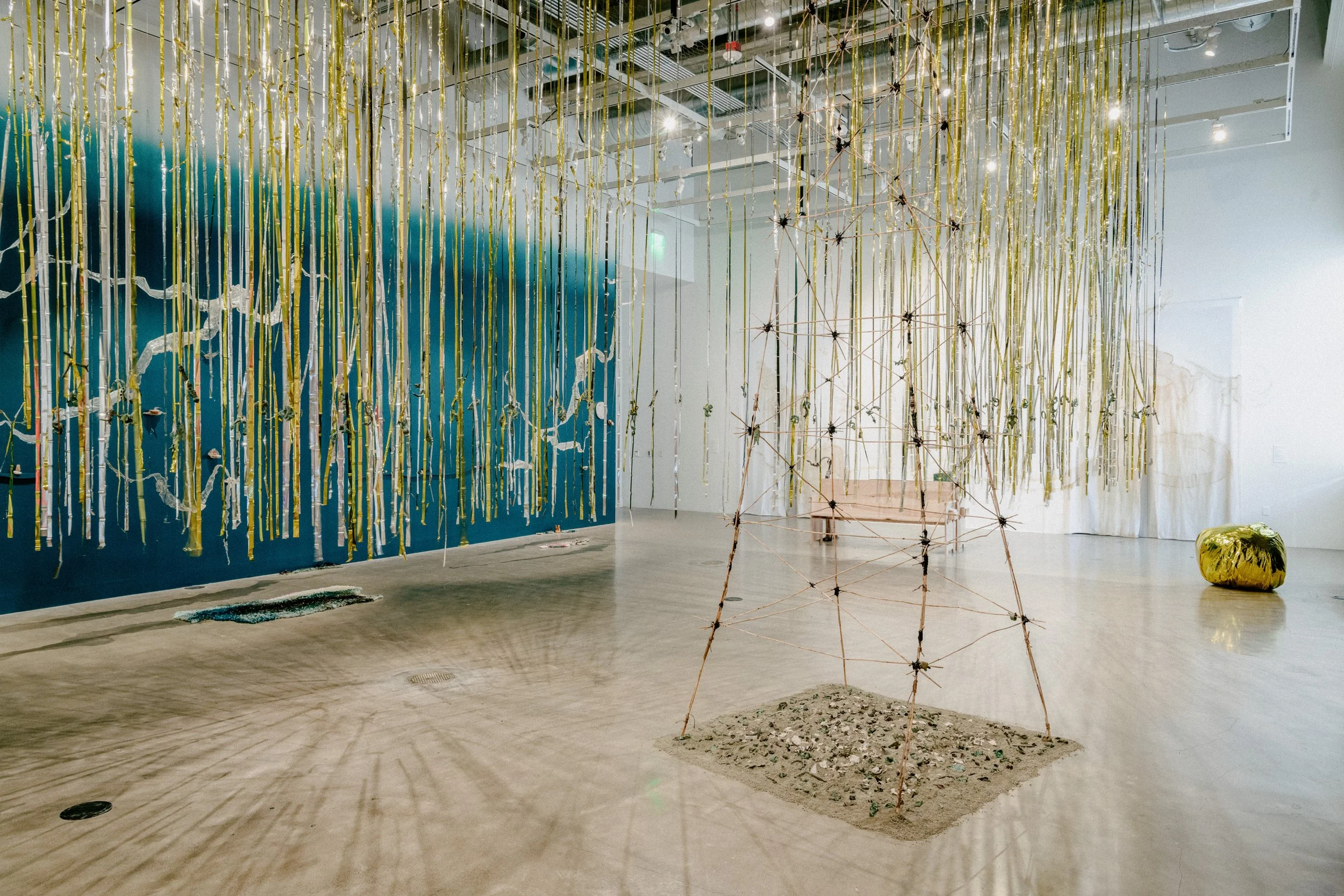
In their interdisciplinary work, Khalatbari, confronts archeology as a tool used by the colonial powers to exploit Iran's archaeological treasures and natural resources during the early 20th century. As you walk through hanging strips of emergency blanket, you are faced with objects that resemble ancient artifacts. You see a fragile seeming tower looming over. Khalatbari’s work references the manipulation of history as means to justify domination and erasure of cultural heritage. In order to reclaim the narrative, they use what remains to flip and reshape what has been lost. Their work asks the viewer to reconsider their perceived knowledge of the objects that are displayed in front of you.
“No one sleeps in this room without the dream of a common language,” Adrienne Rich
When Unearthed Sights Collide stems out of the deep human desire to be understood. To be accepted. To have a voice and be heard. When I first read this quote by Adrienne Rich in Ayesha Manazir Siddiqi’s book The Centre, I felt the echoes of its intention through the works of Khalatbari and Park. When feeling misunderstood, it can be freeing to create authentic practices that help us connect with ourselves through our own frame. The work invites you to take a closer look at what hangs before you and to critically examine our understanding of the physical and mythological world as we know.
Photography: San Francisco Arts Commission Galleries and Aaron Wojack
Link to the digital catalog and more of my writing about this exhibition.
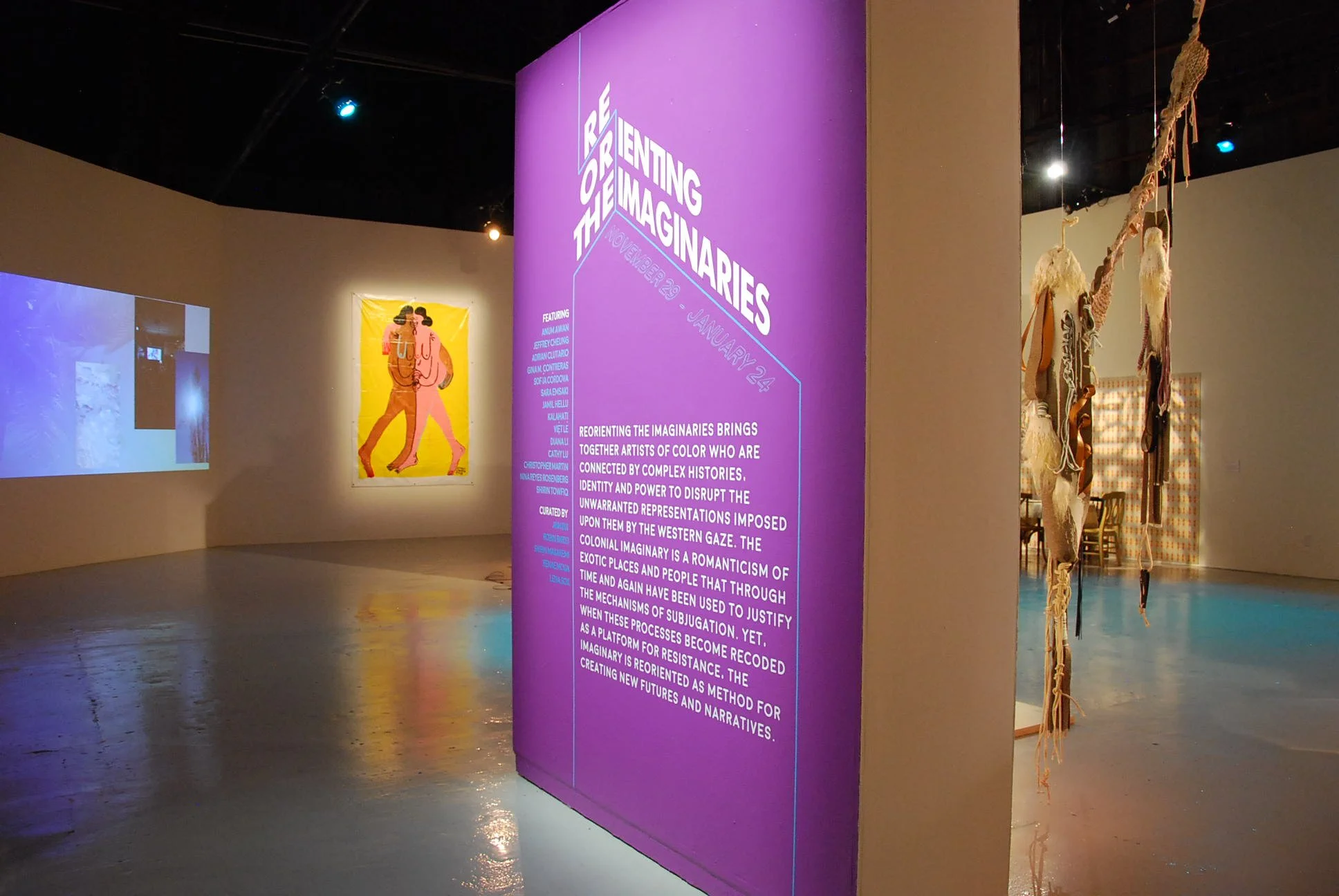
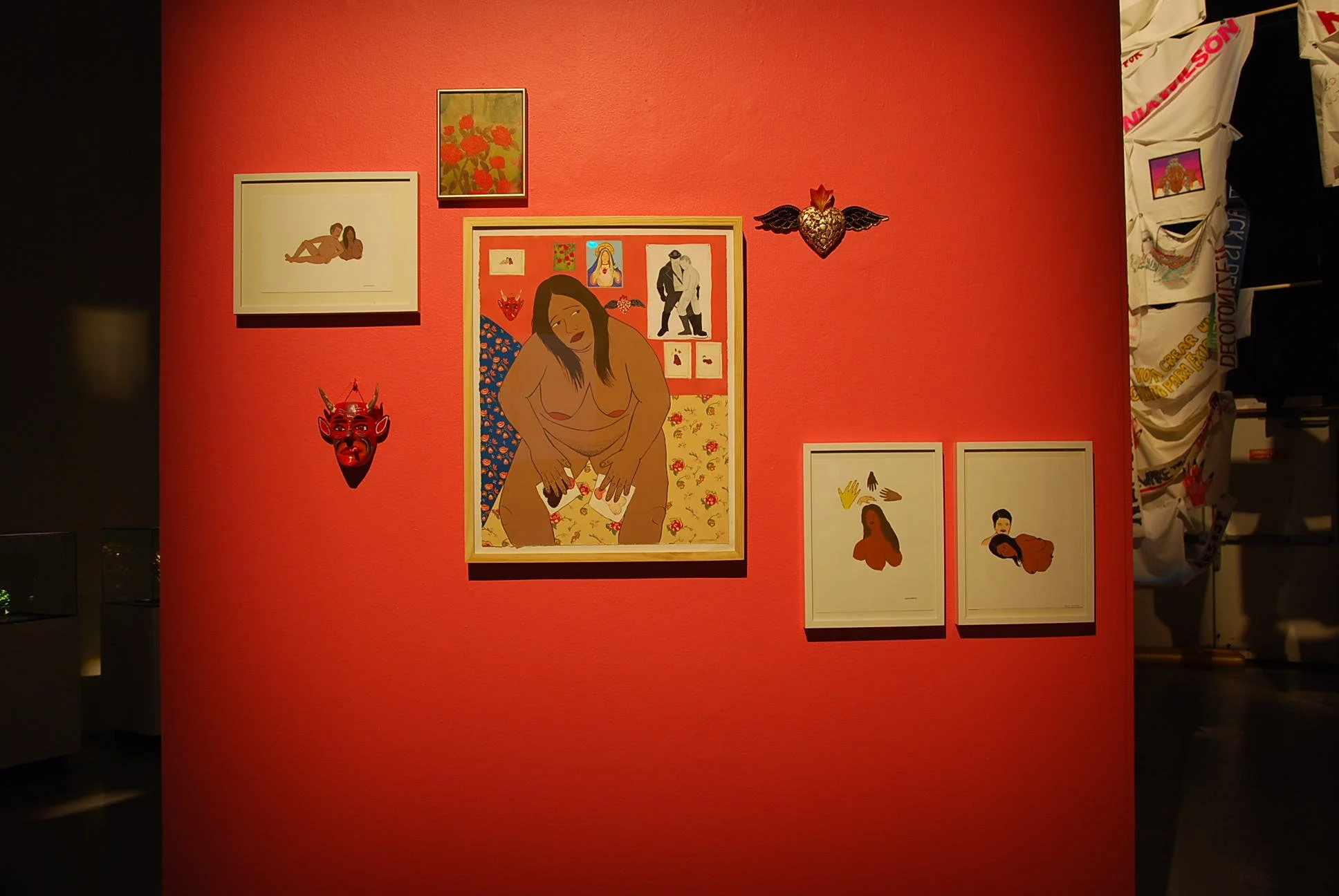
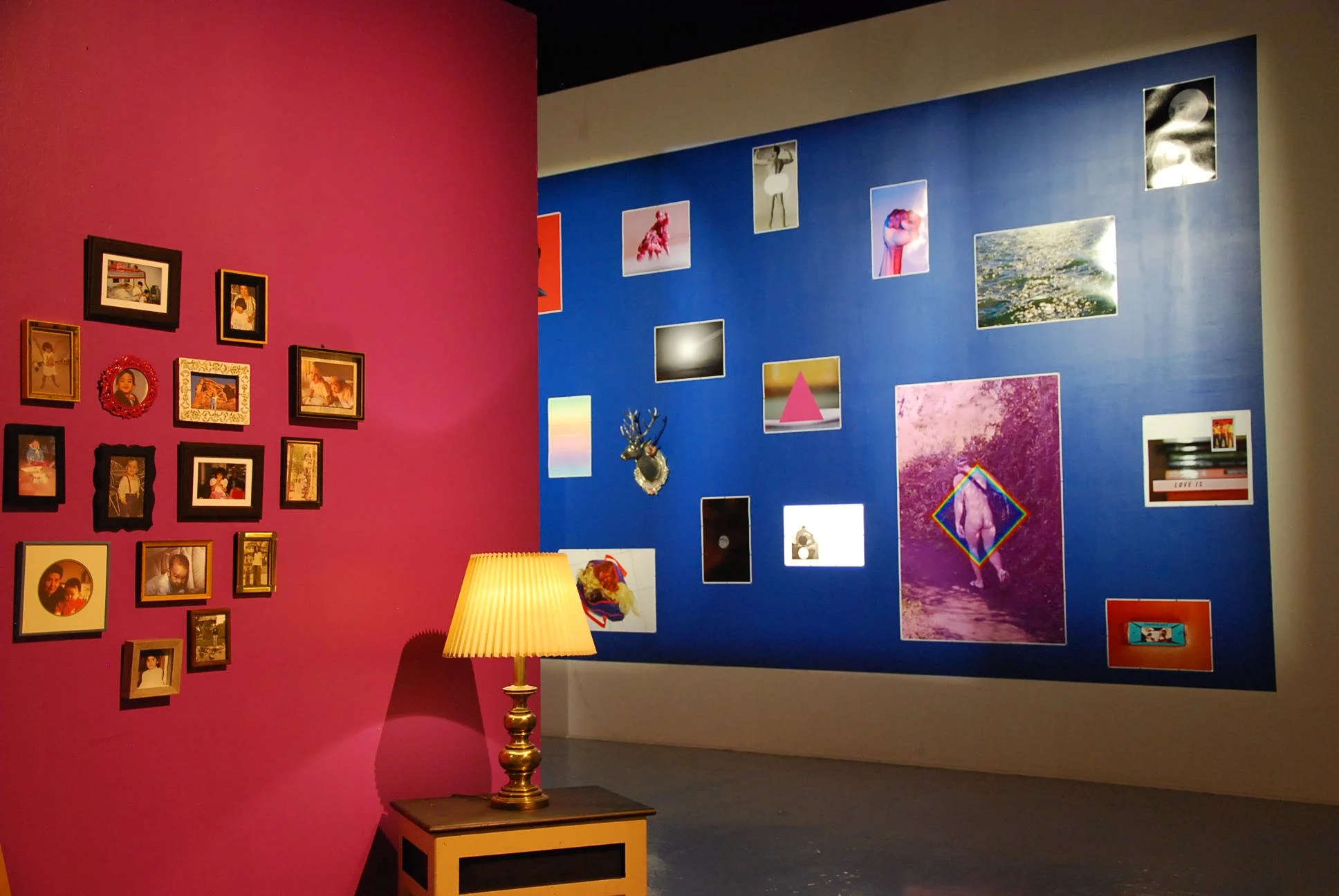
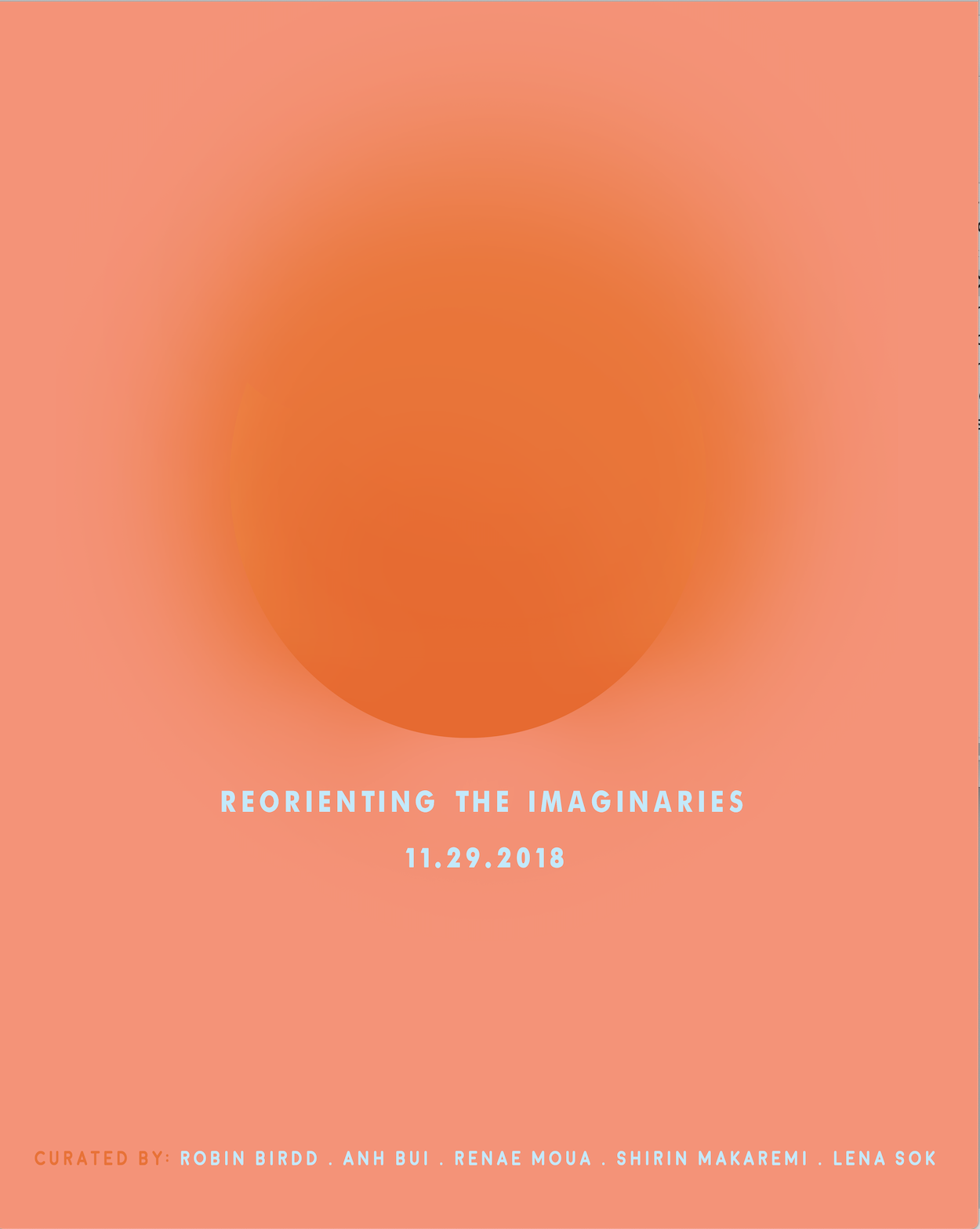
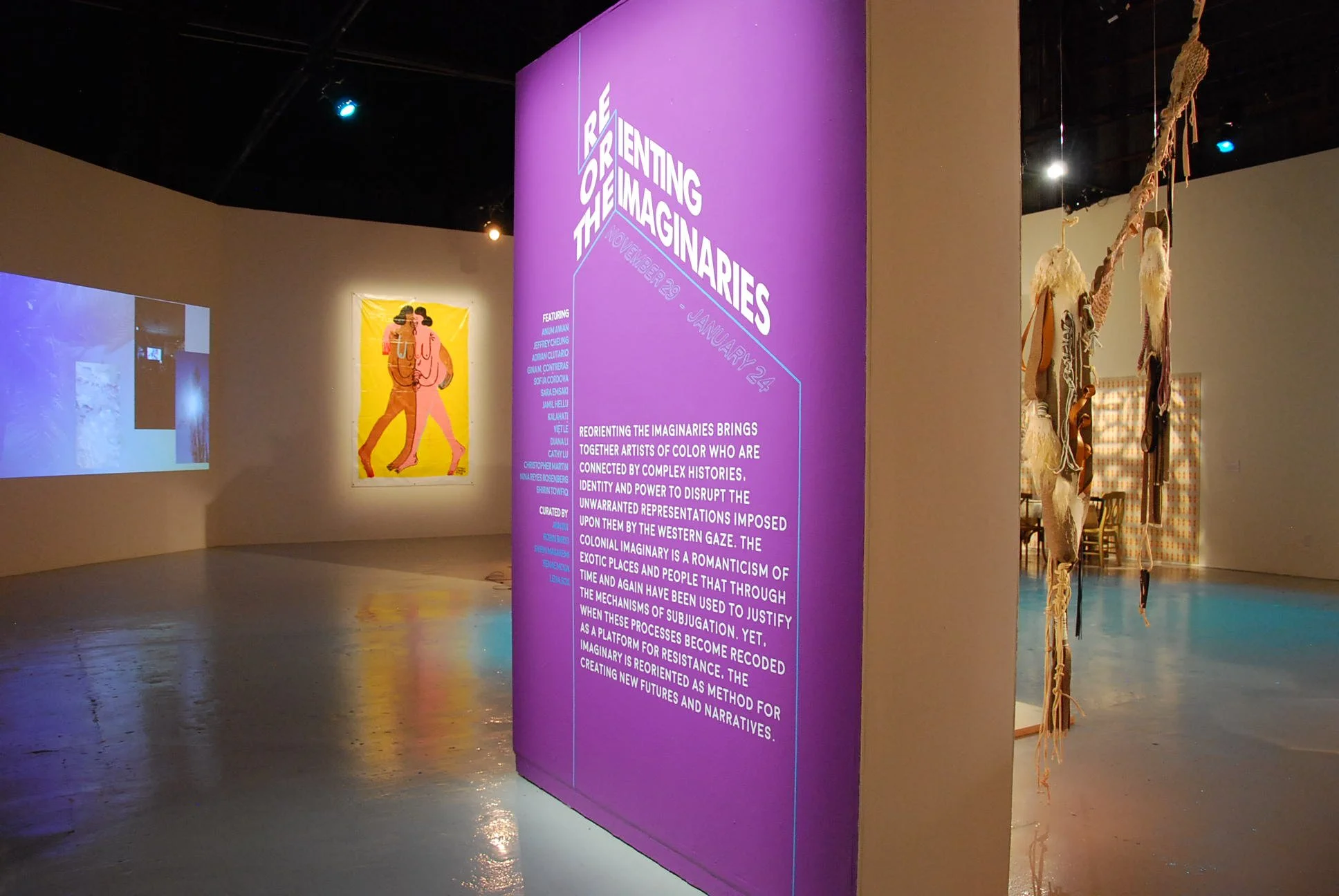
Reorienting the Imaginaries presents a controversial study of the racialized and gendered form, insomuch that understanding the complexities of confronting one’s own (mis)representations becomes catalysts for subversion and creation of autonomous futures.
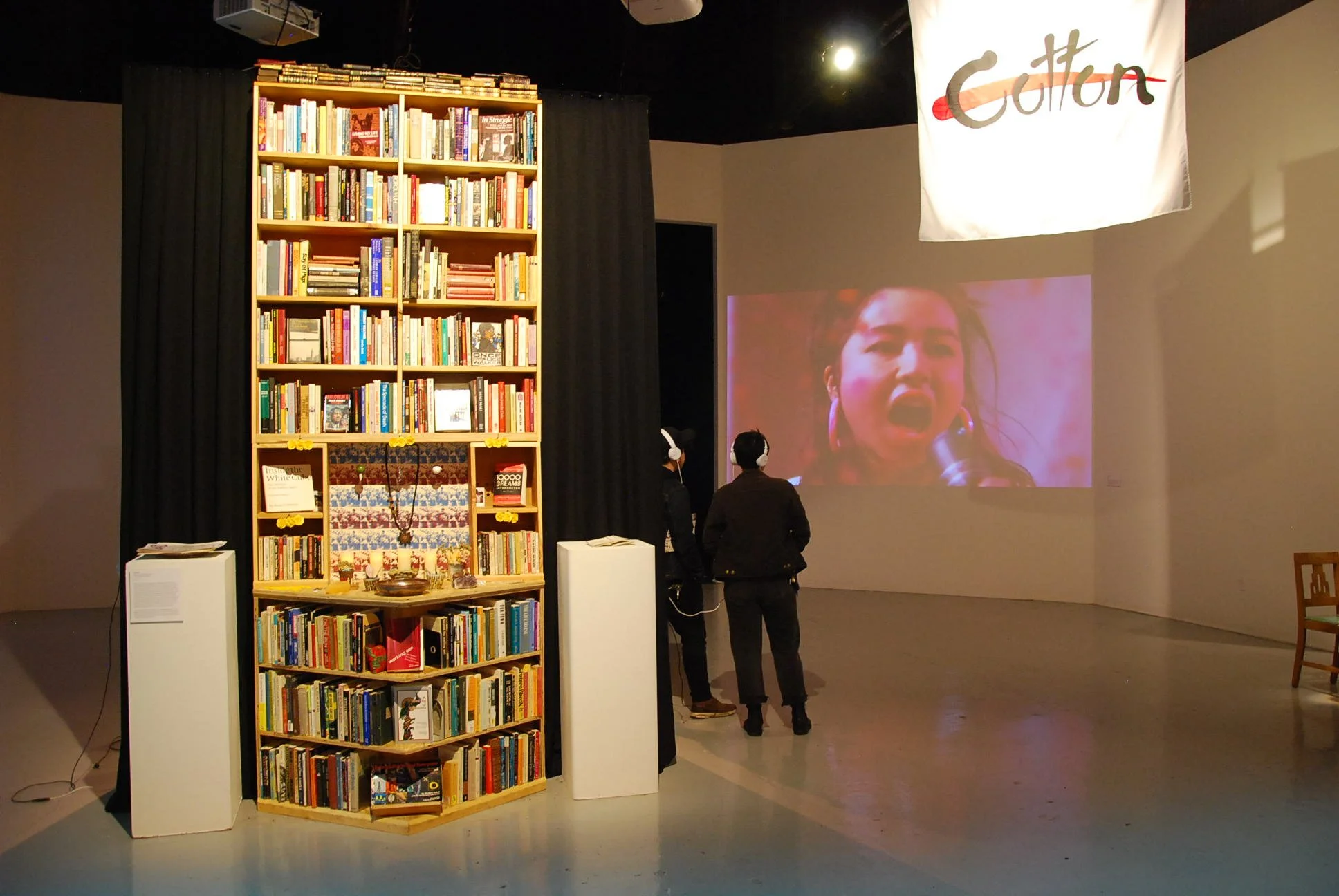
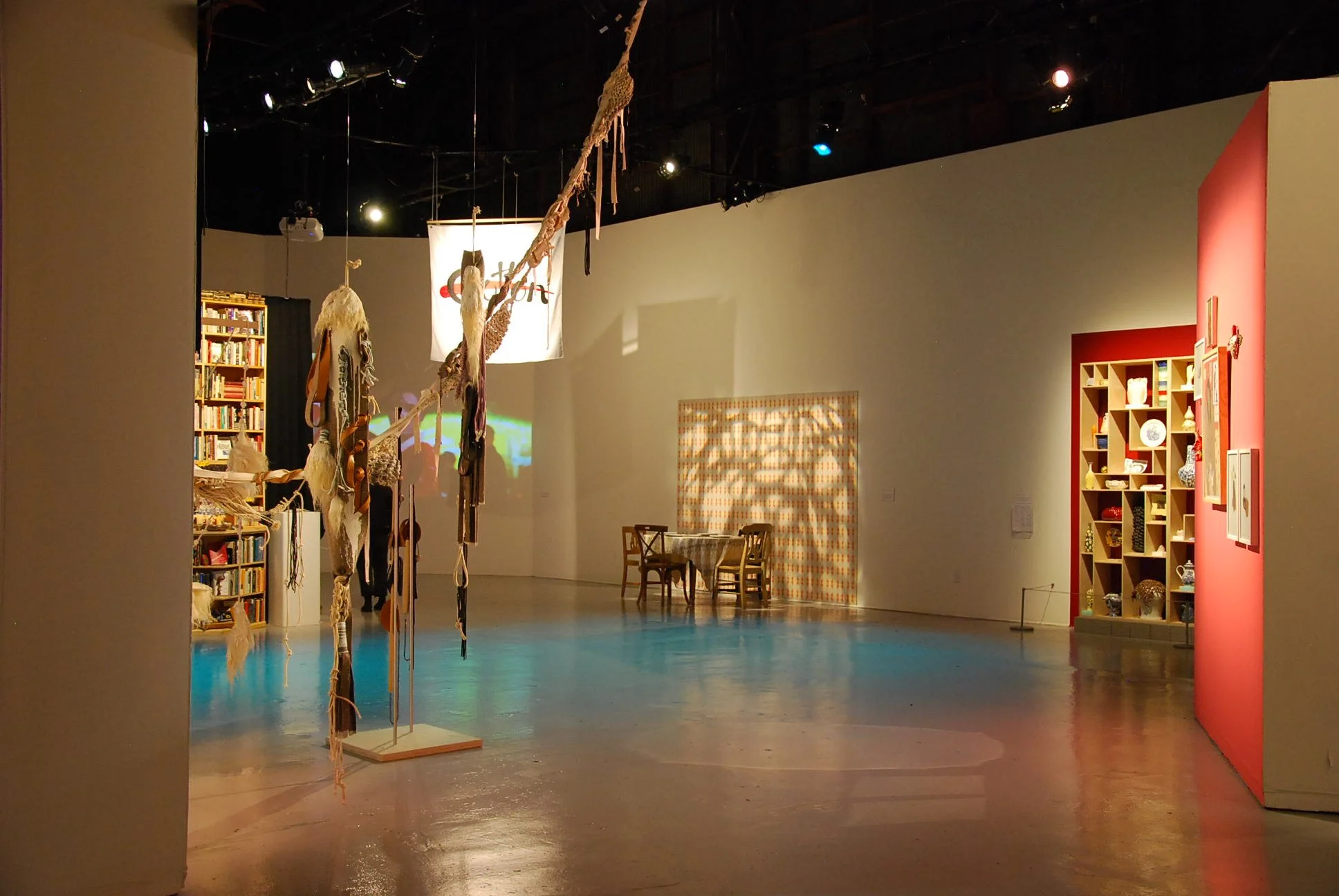
This multidisciplinary exhibit brings together artists of color who are connected by complex histories, identity and power to disrupt the unwarranted representations imposed upon them by the Western gaze. We define the colonial imaginary as a romanticism of exotic places and people that through time and again have been used to justify the mechanisms of subjugation. Yet, when these processes become reclaimed as a platform of resistance, this imaginary lens is reoriented as method for creating new futures and narratives.
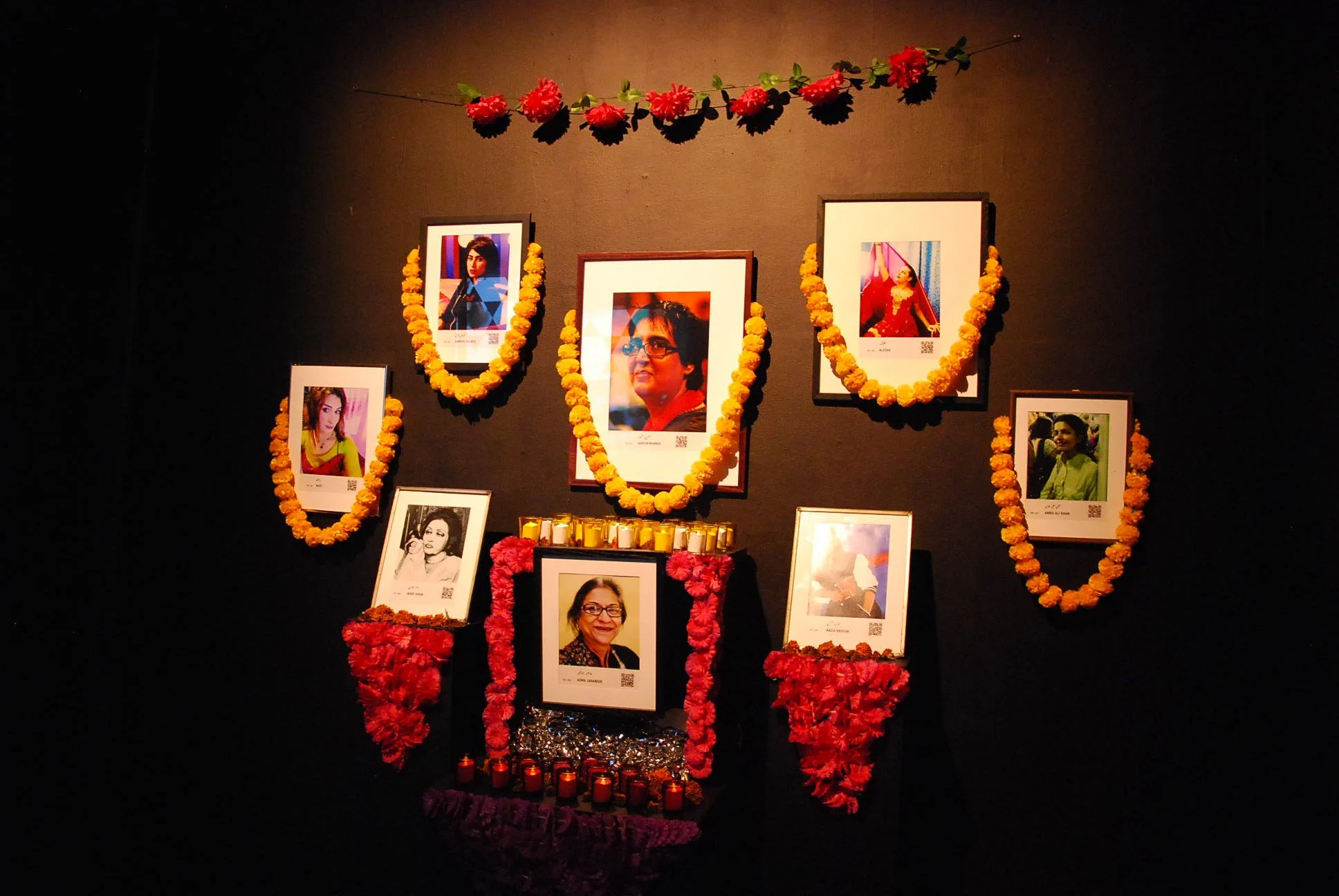
Sara Emsaki, Cathy Lu and Christopher Martin intertwine a bittersweet tale of nostalgia within double-consciousness. Jeffrey Cheung, Gina M. Contreras, and Jamil Hellu channel playful yet sinister undertones attached with observations of the queer and brown body. Sofía Córdova, Việt Lê, Diana Li and Nina Reyes Rosenberg draw on performing the ‘Other’ as method for recoding power within stereotypes. Anum Awan procures light into a somatic experience of self-reflection, while Shirin Towfiq and Kalahati emphasize the power of the people through collective action. Together these artists materialize a satirical deconstruction of archetypal caricatures, critical discourse against media hegemony, and negotiations of ancestral lineage and home to reorient the imaginaries.
EXHIBITING ARTISTS
Anum Awan
Jeffrey Cheung
Adrian Clutario
Gina M. Contreras
Sofía Córdova
Sara Emsaki
Jamil Hellu
Kalahati
Việt Lê with Jamie Maxtone-Graham
Diana Li
Cathy Lu
Christopher Martin
Nina Reyes Rosenberg
Shirin Towfiq
CURATORS
Robin Birdd
Anh Bui
Shirin Makaremi
Renae Moua
Lena Sok
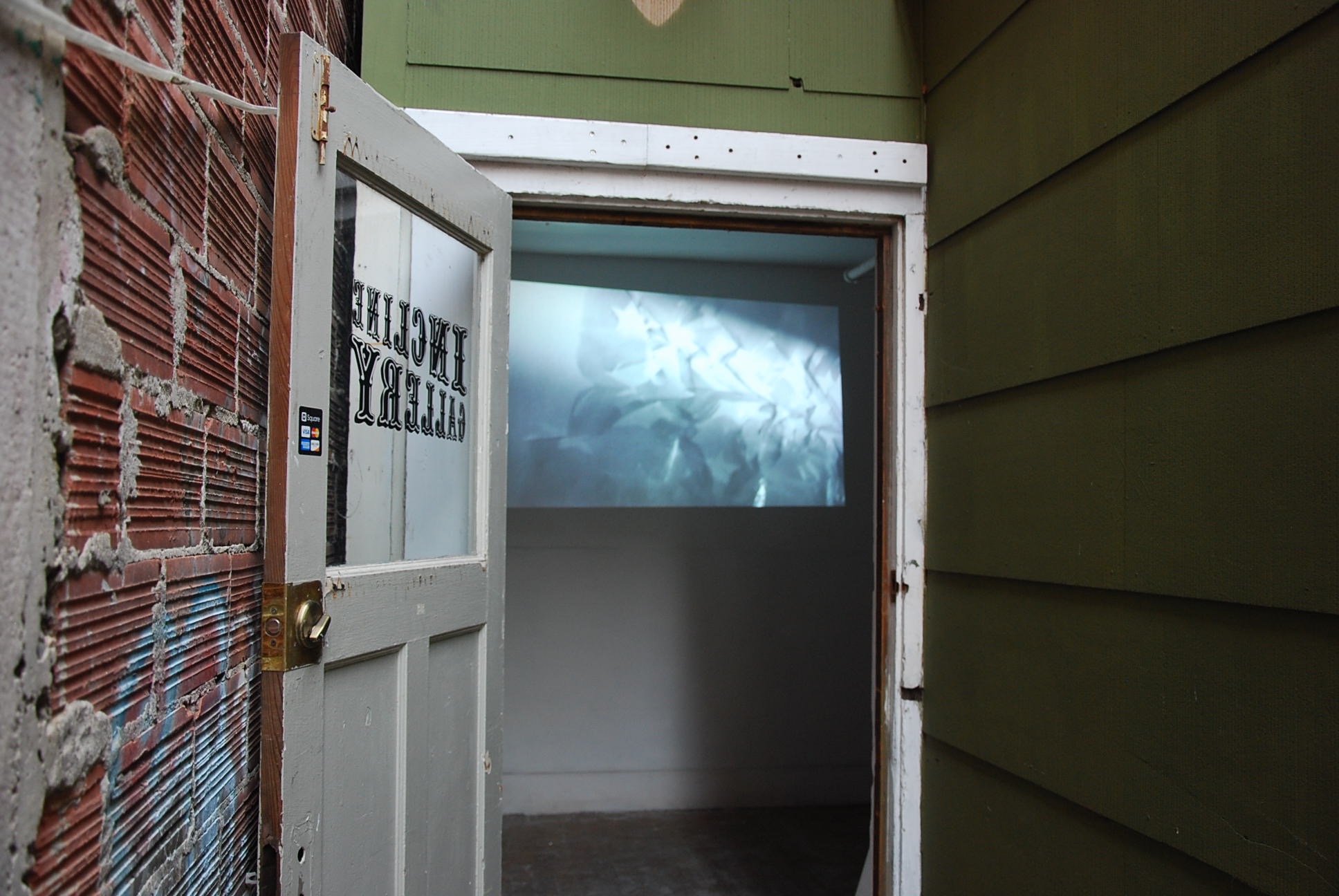
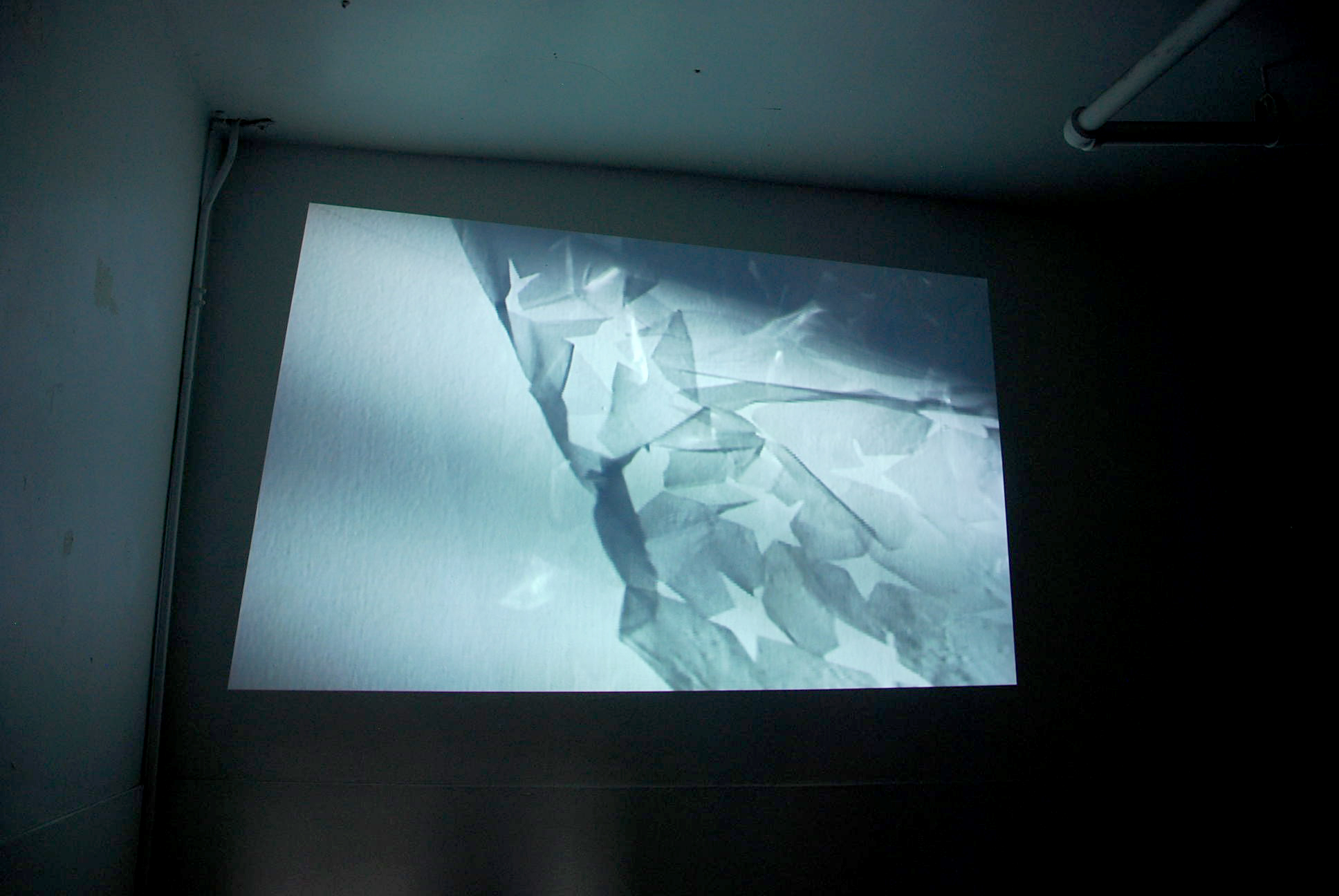
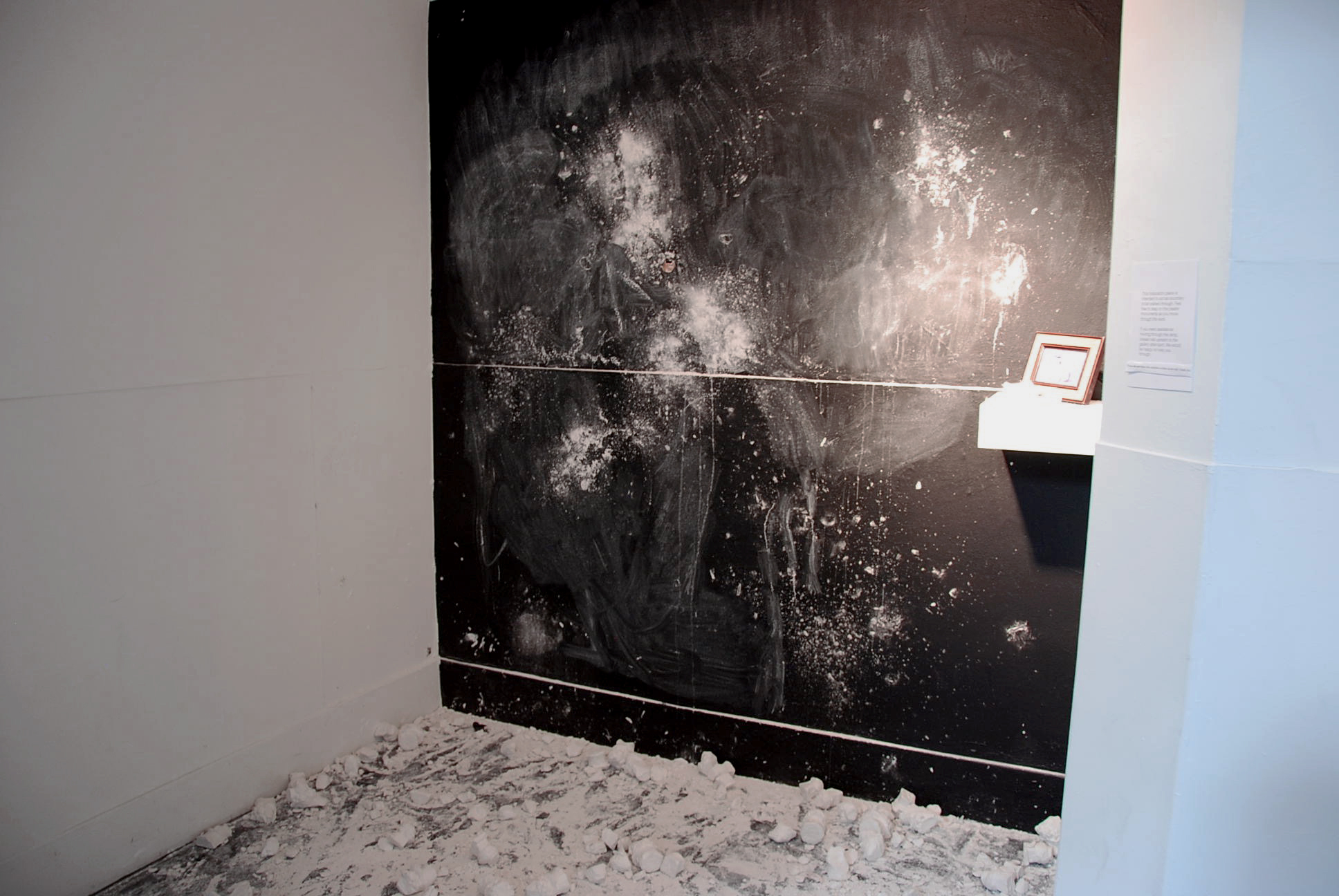
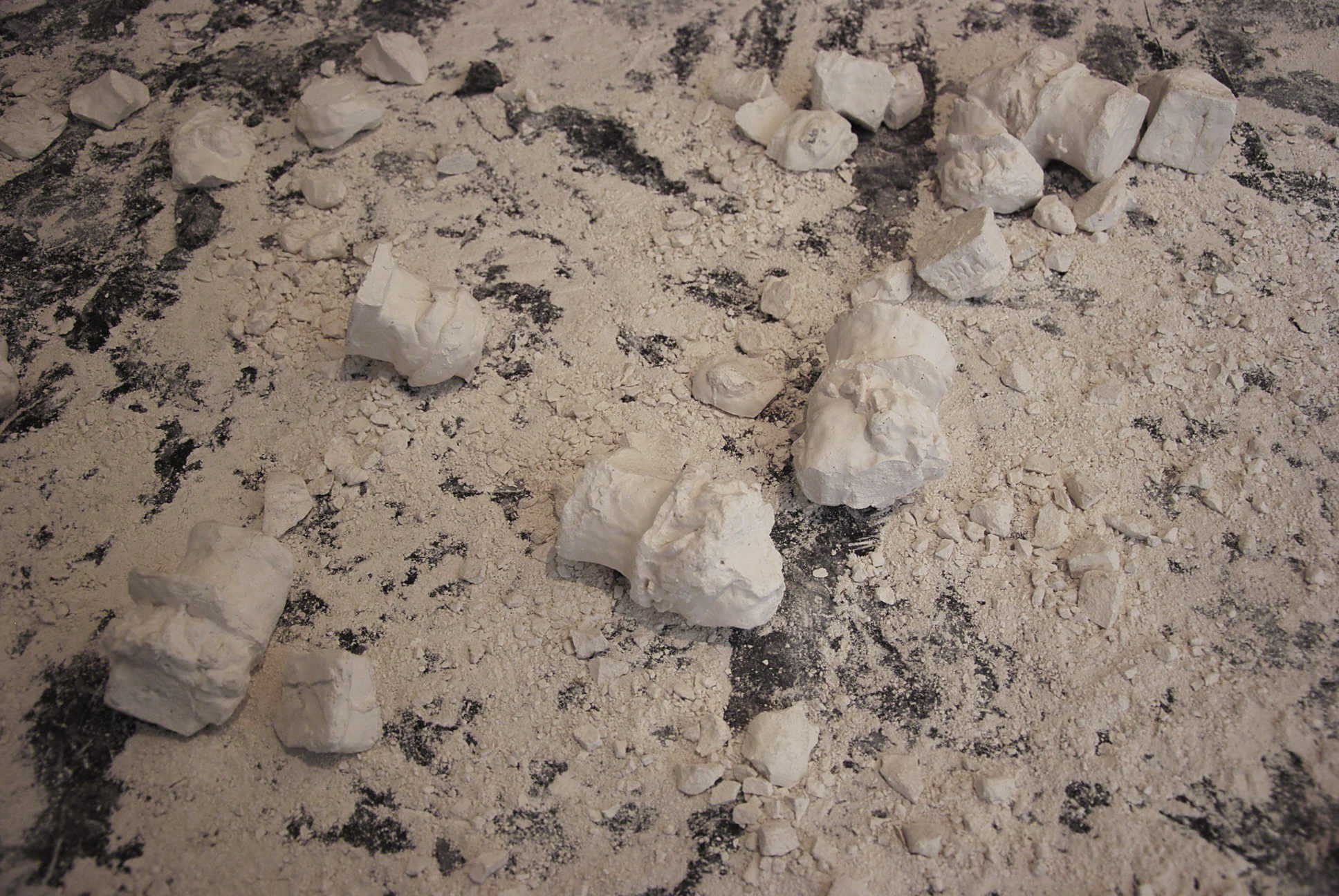
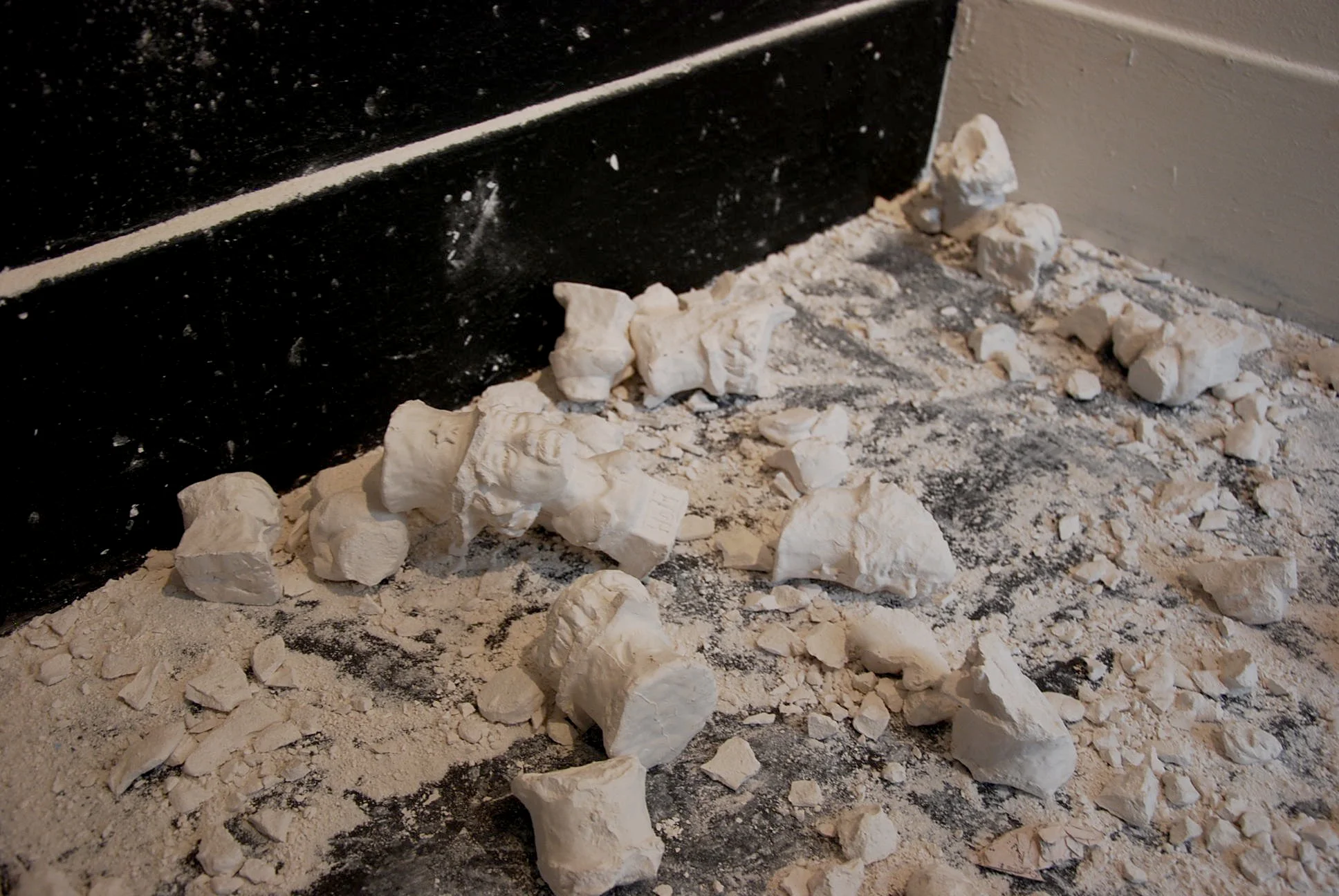
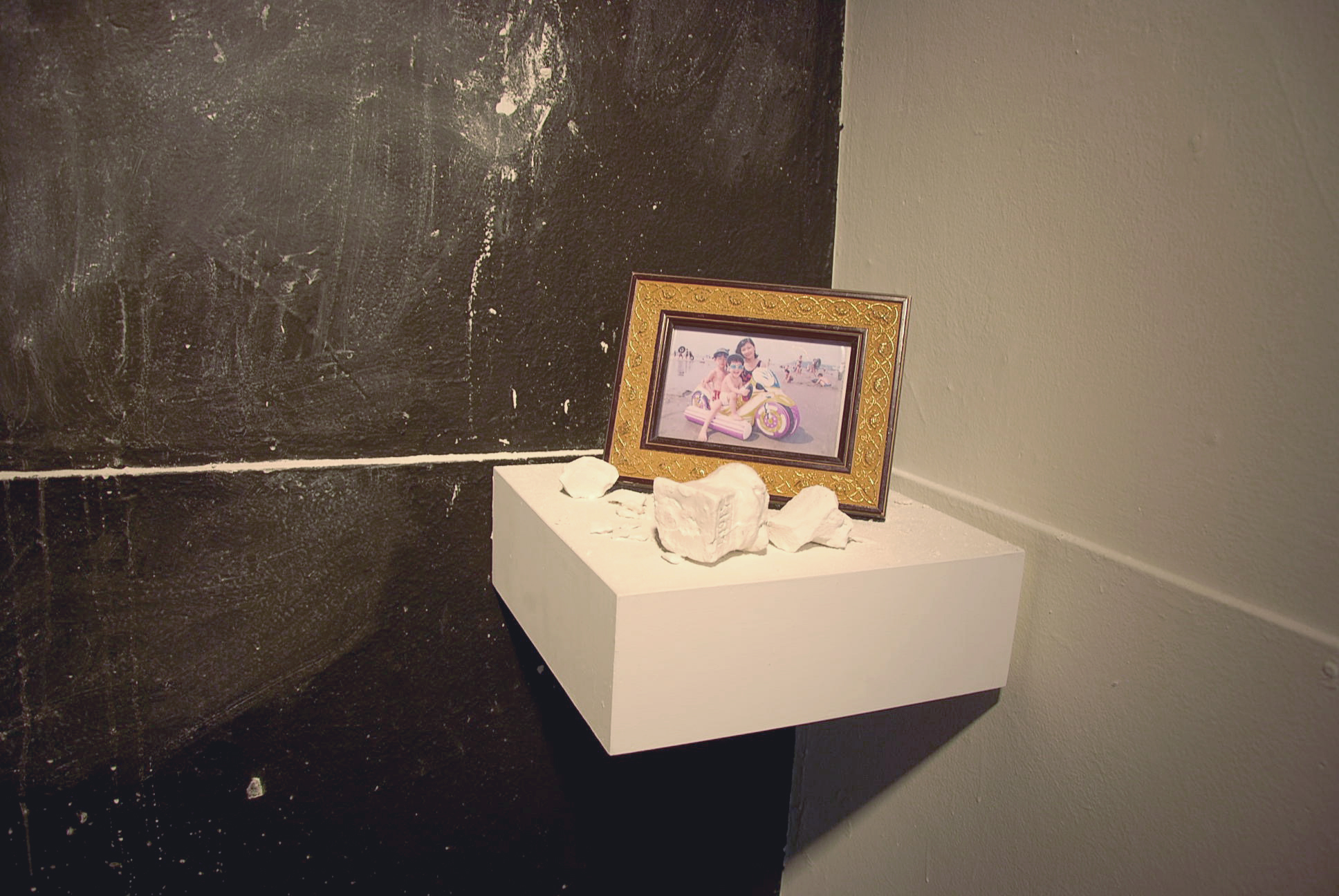
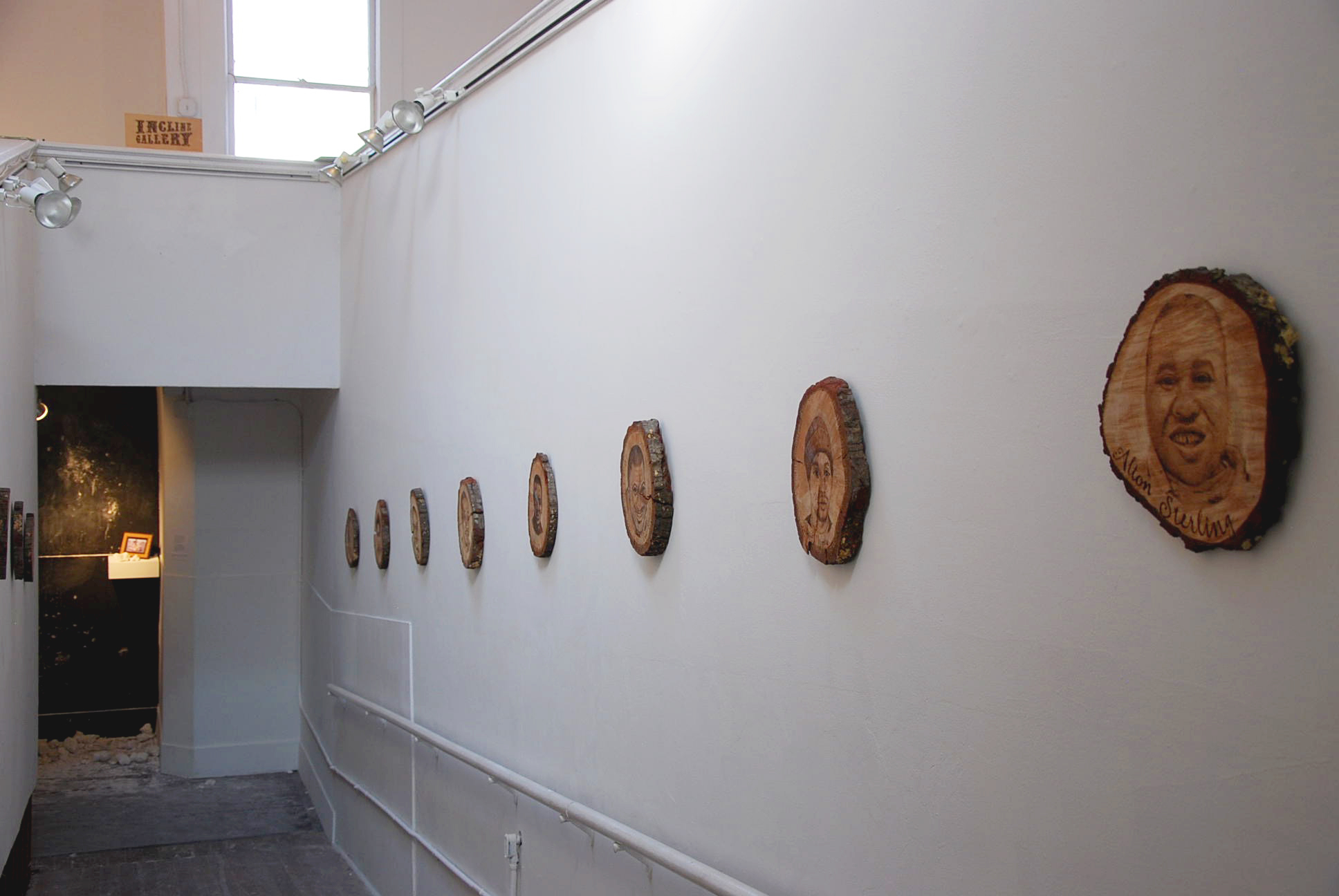
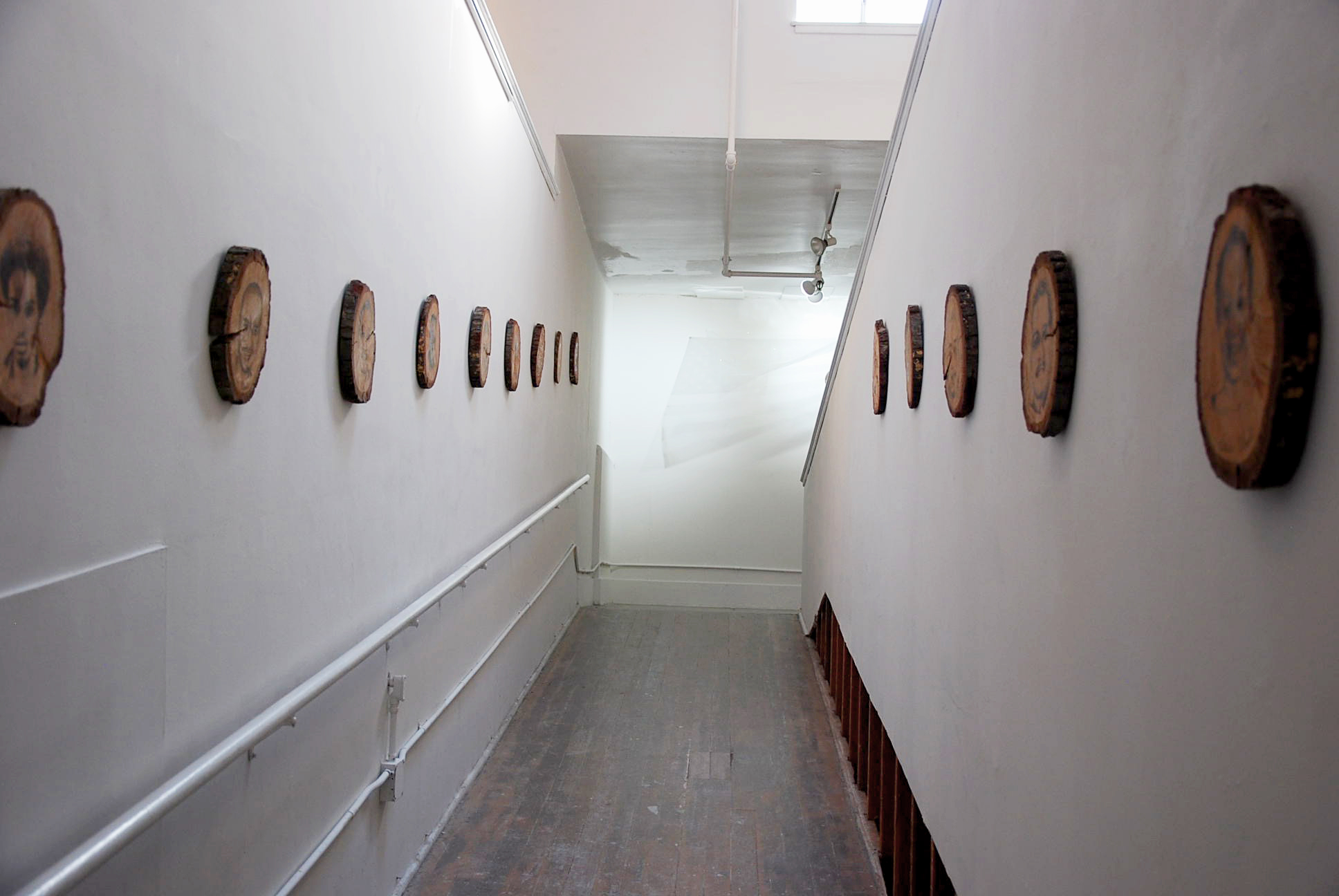
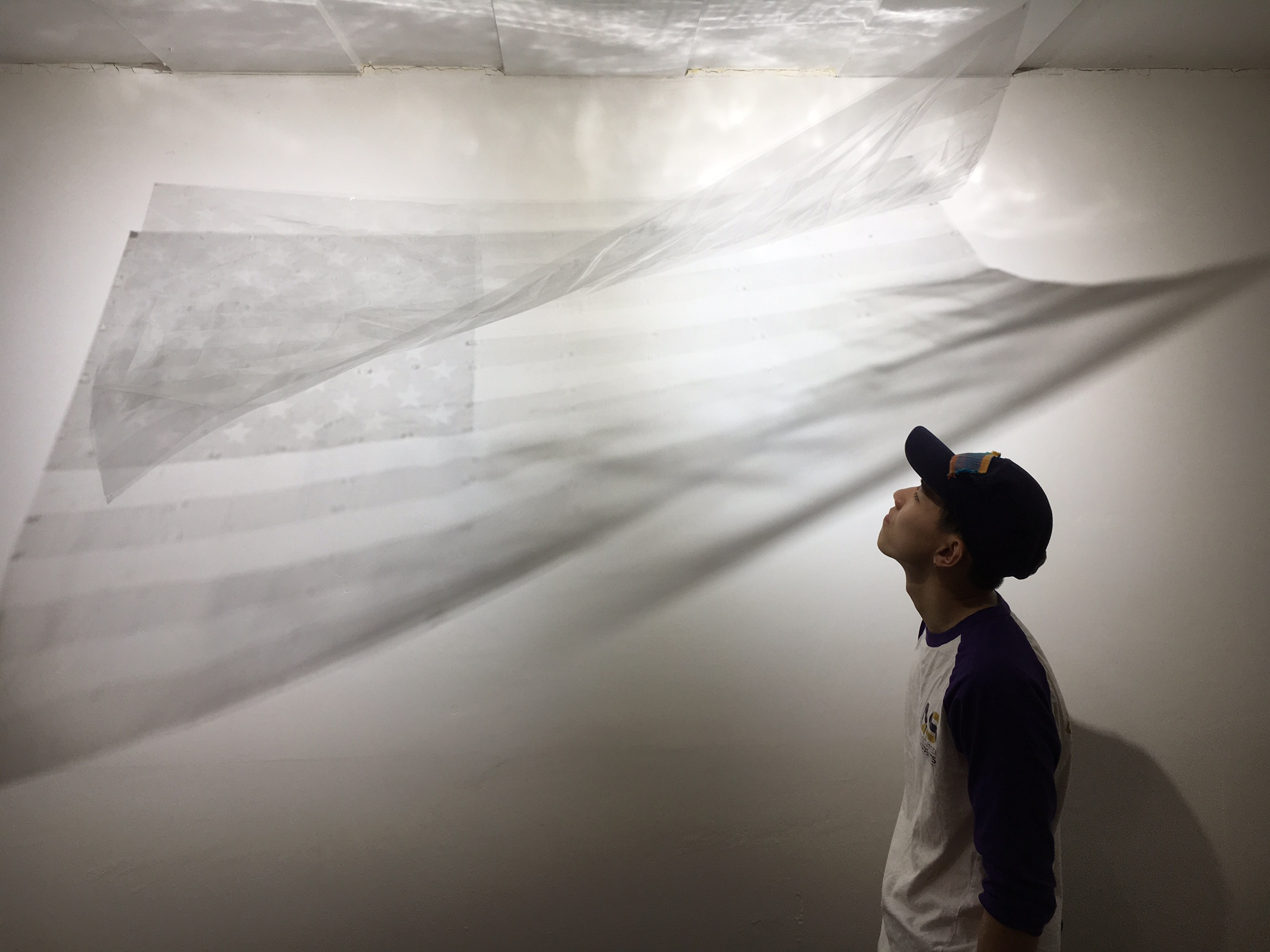
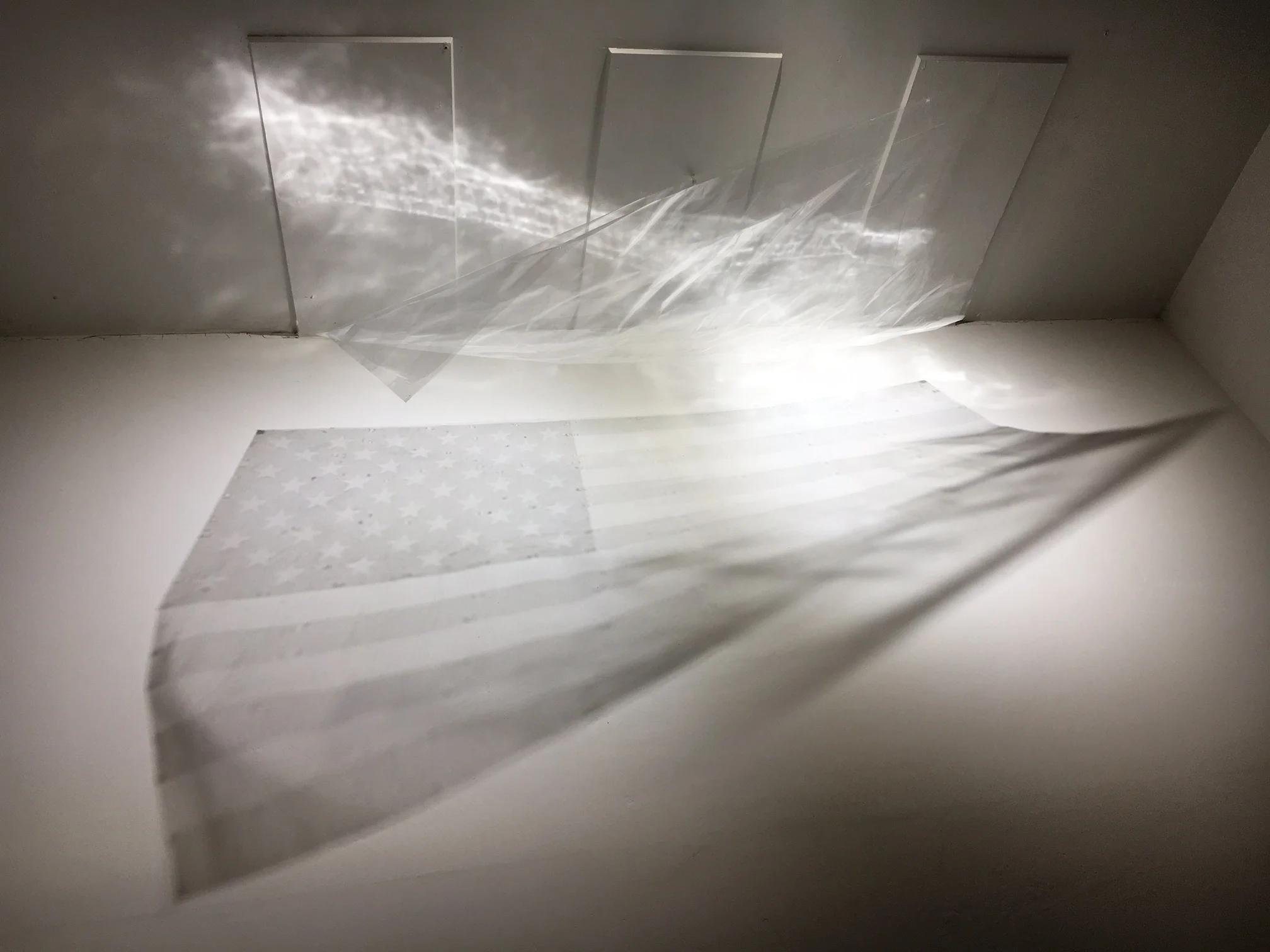
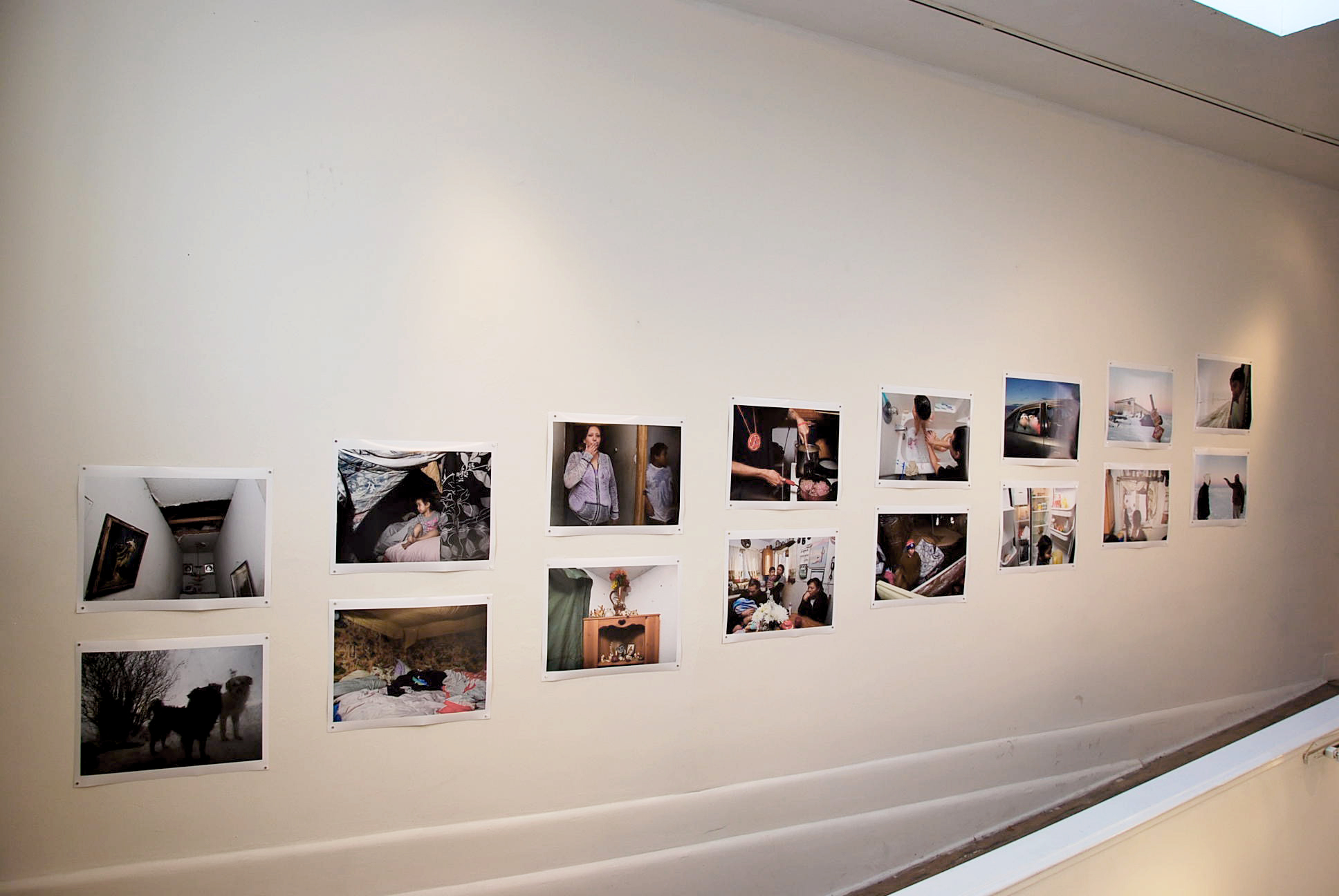
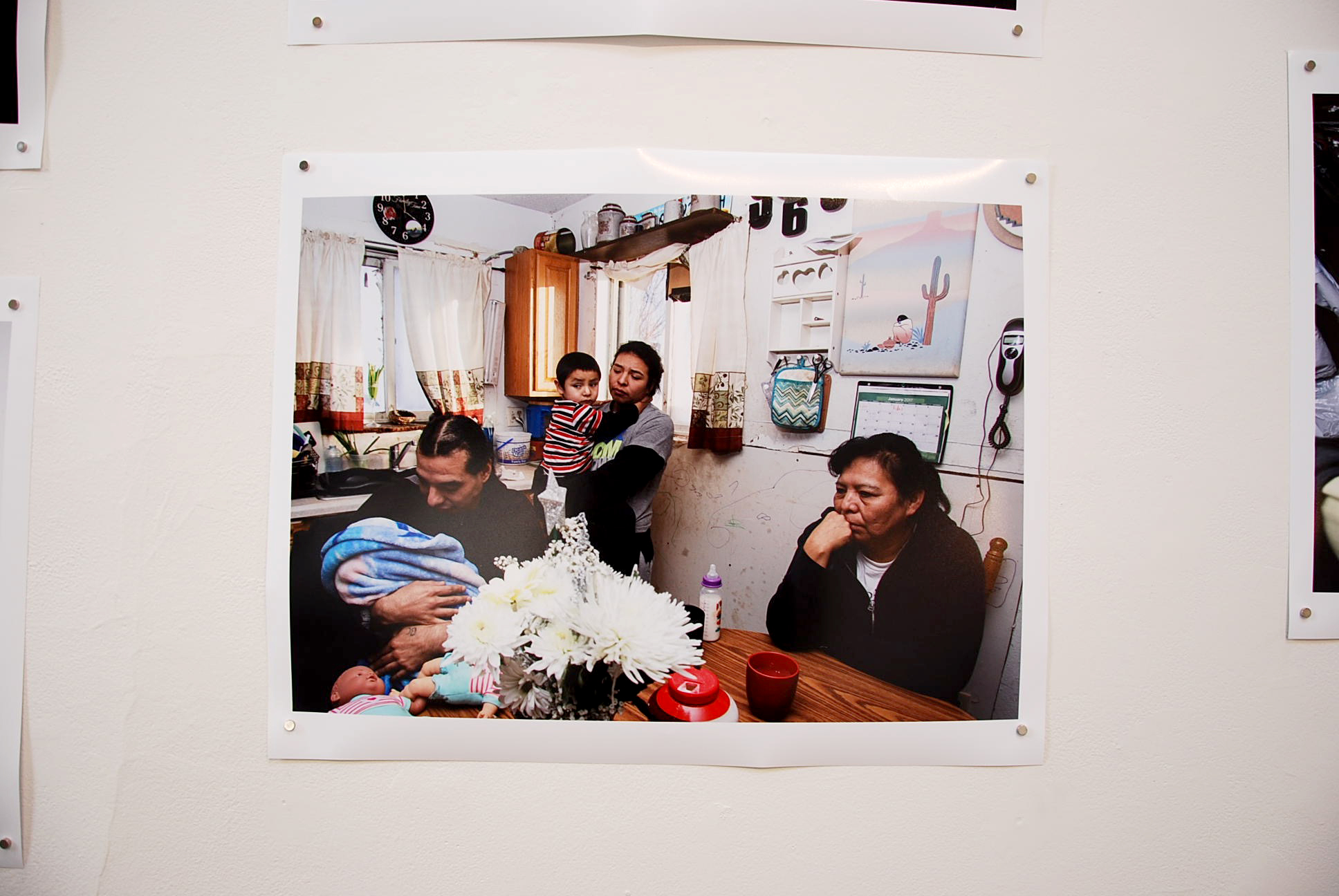
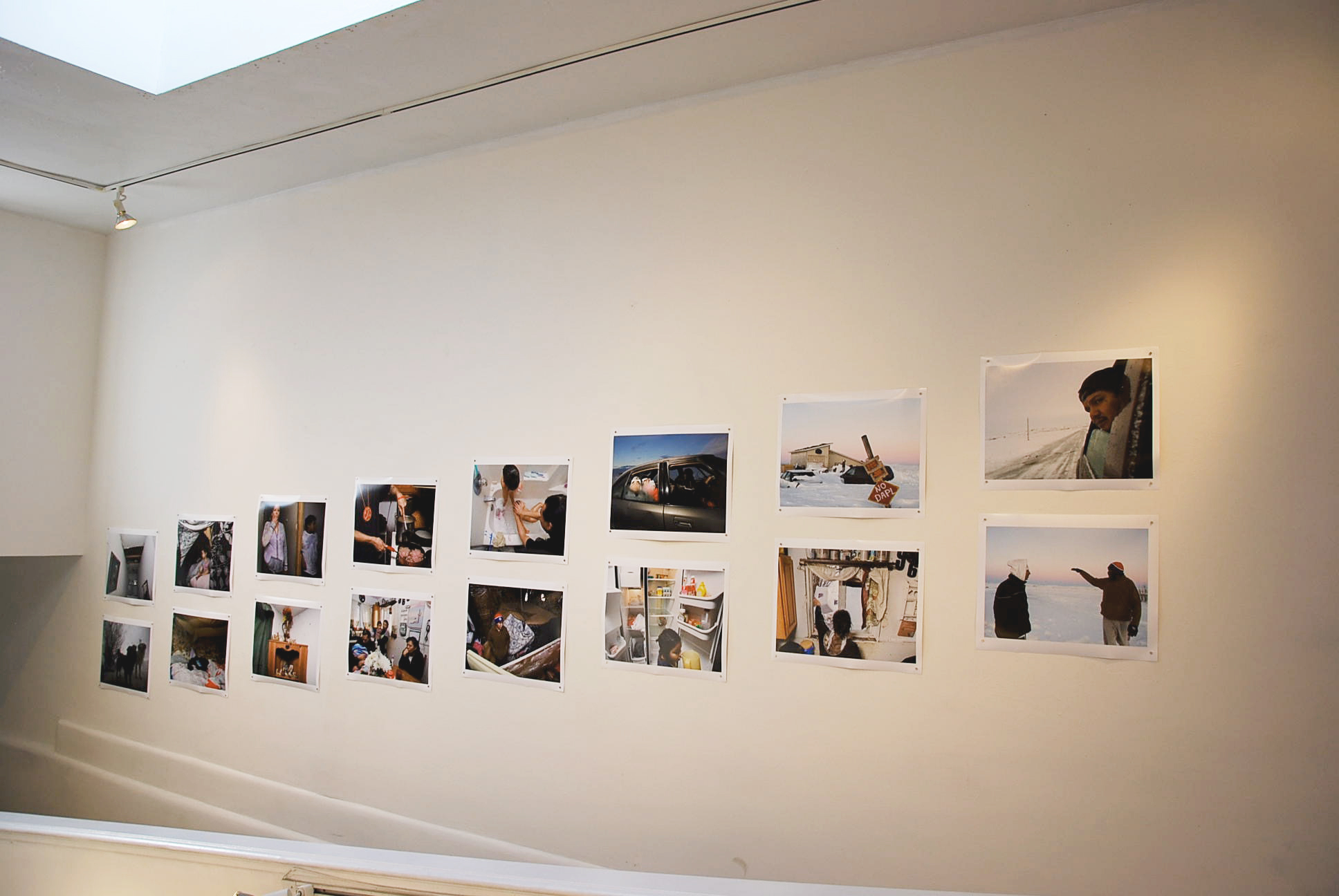
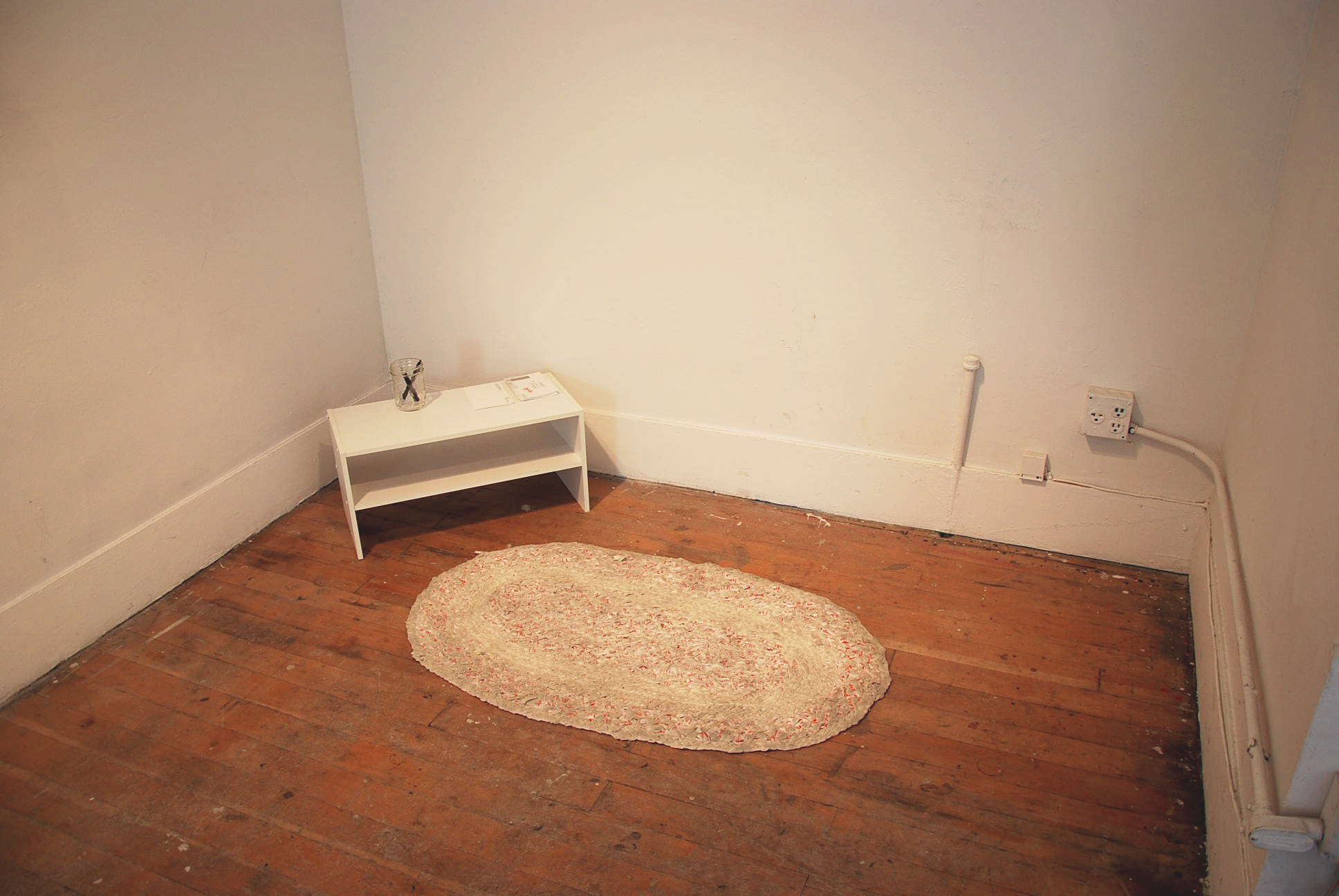
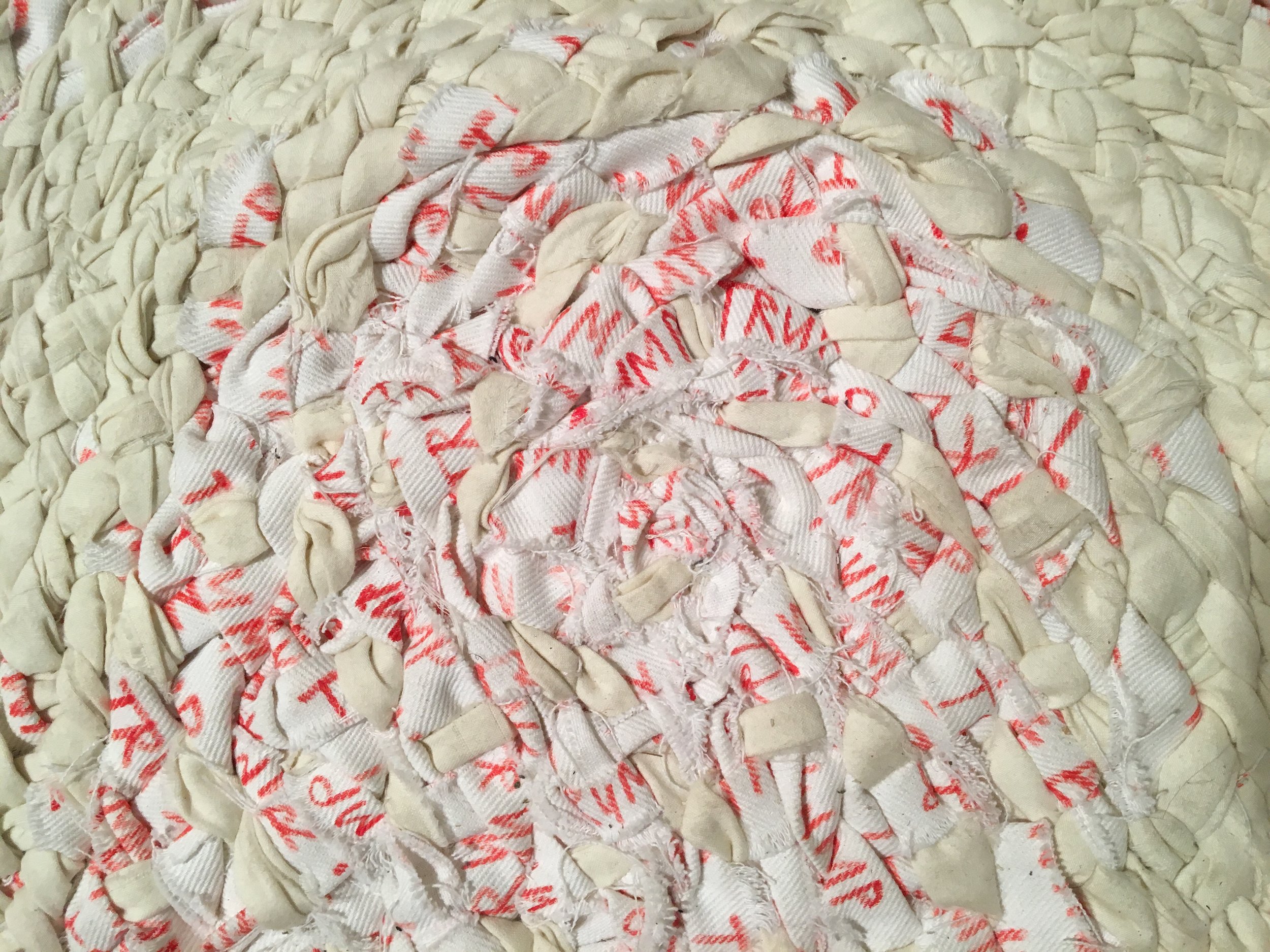
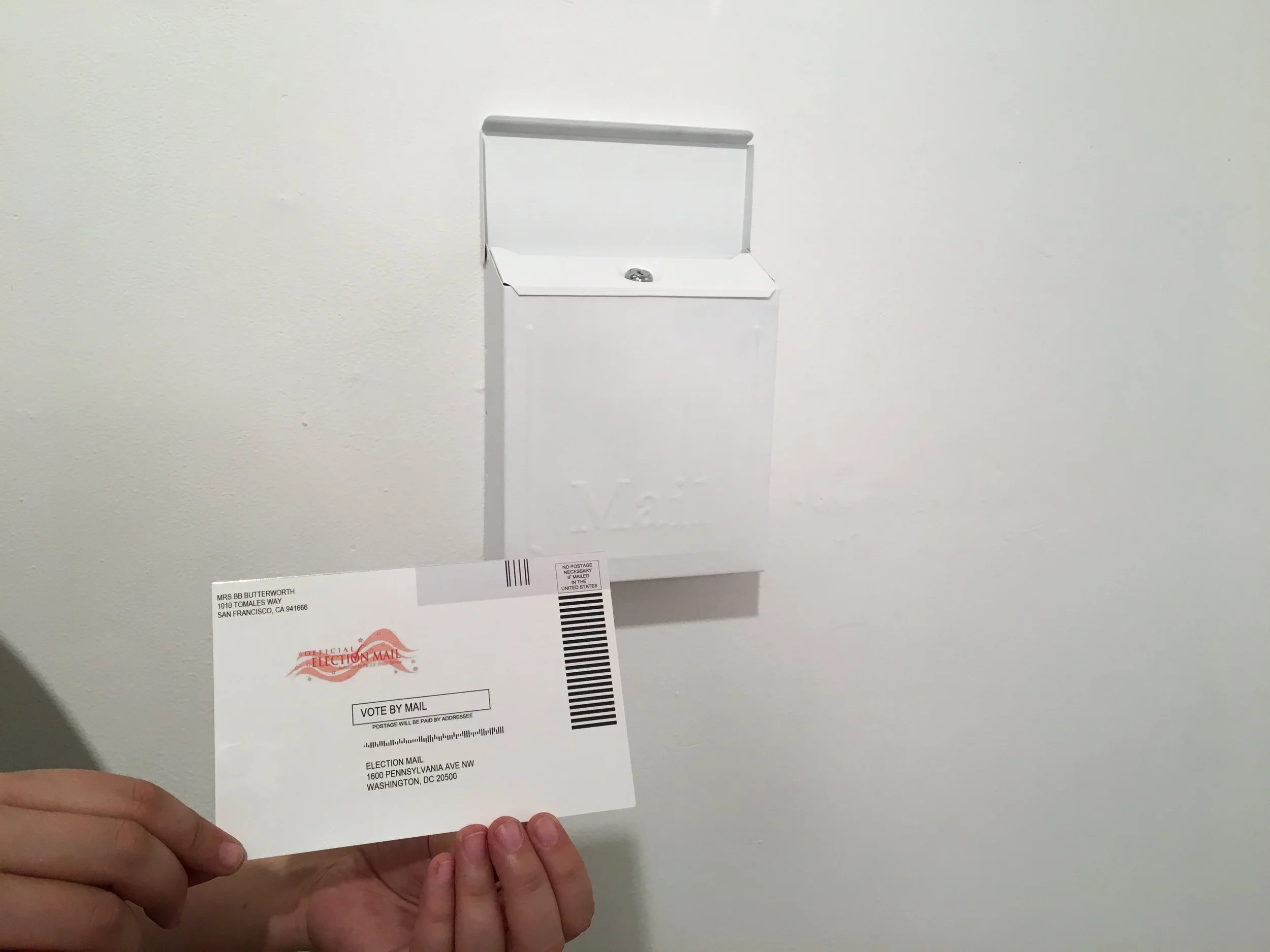
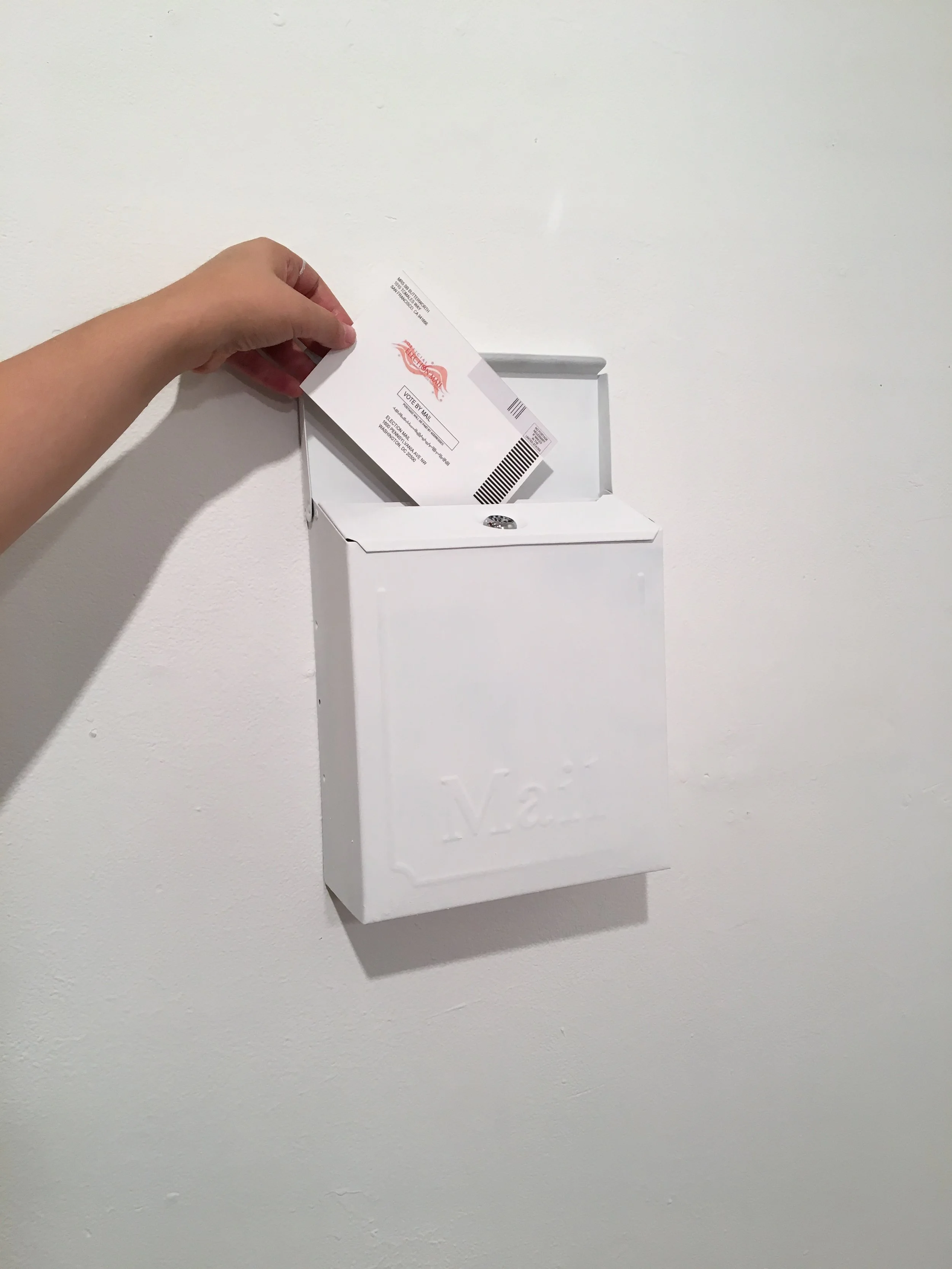
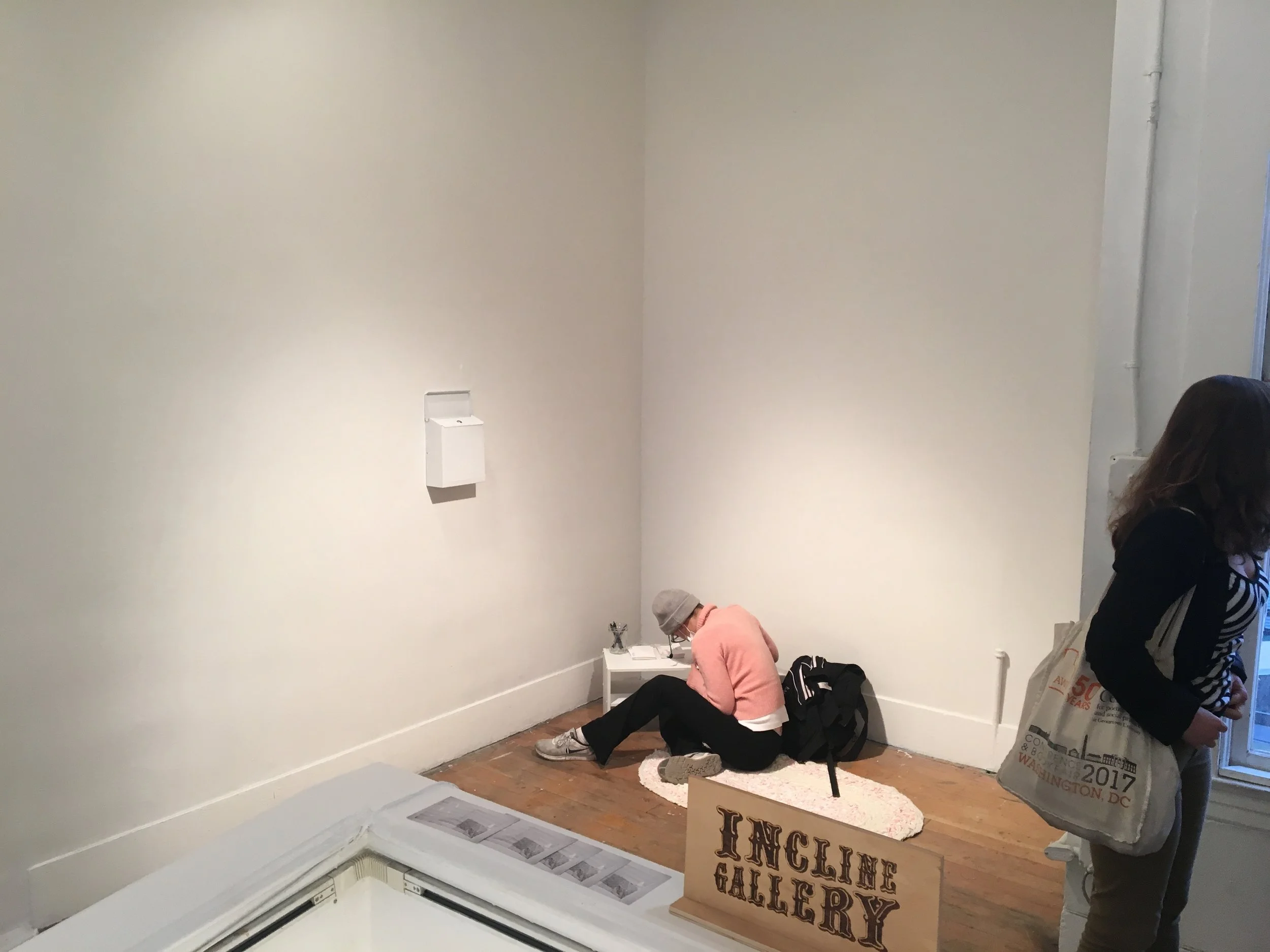
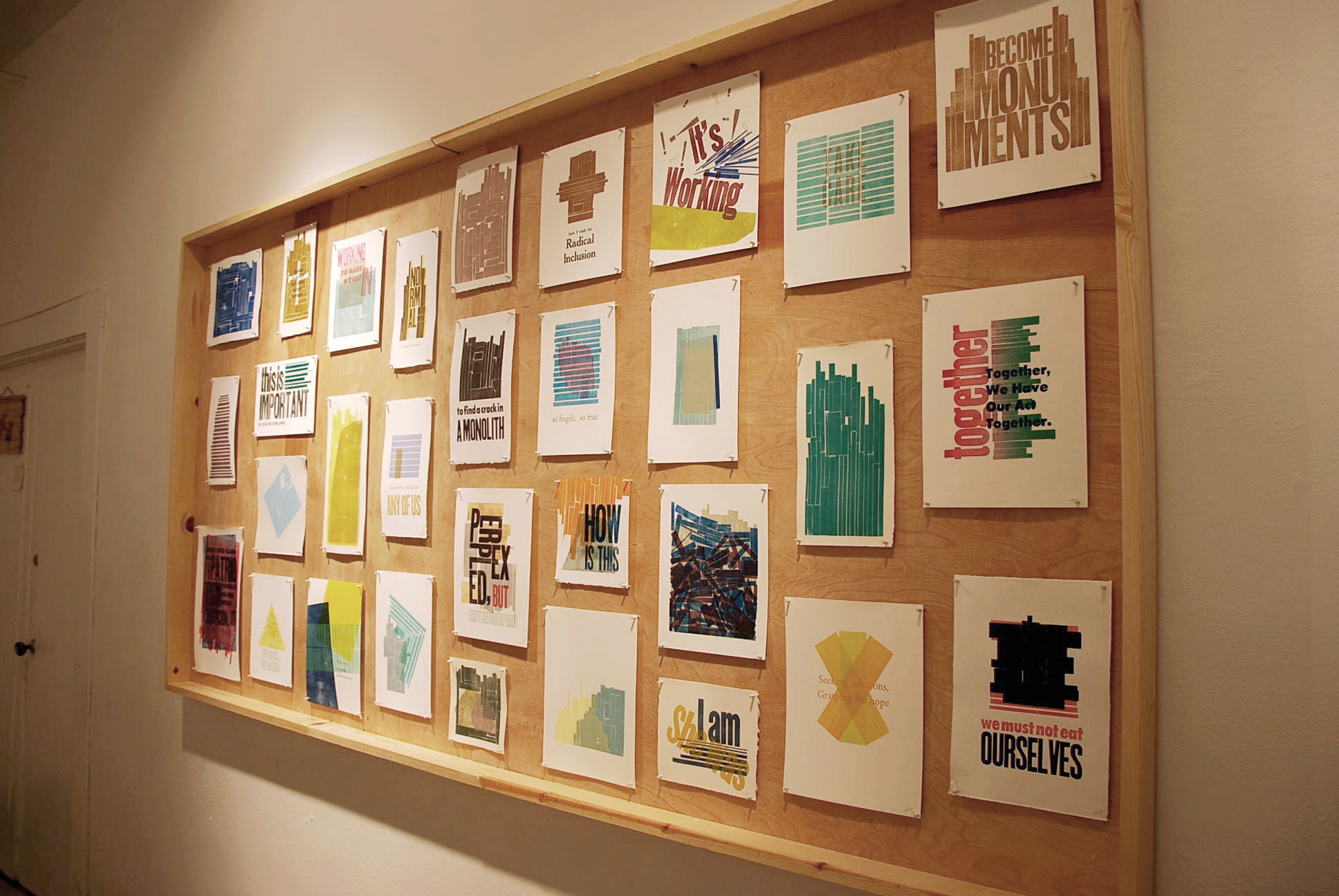
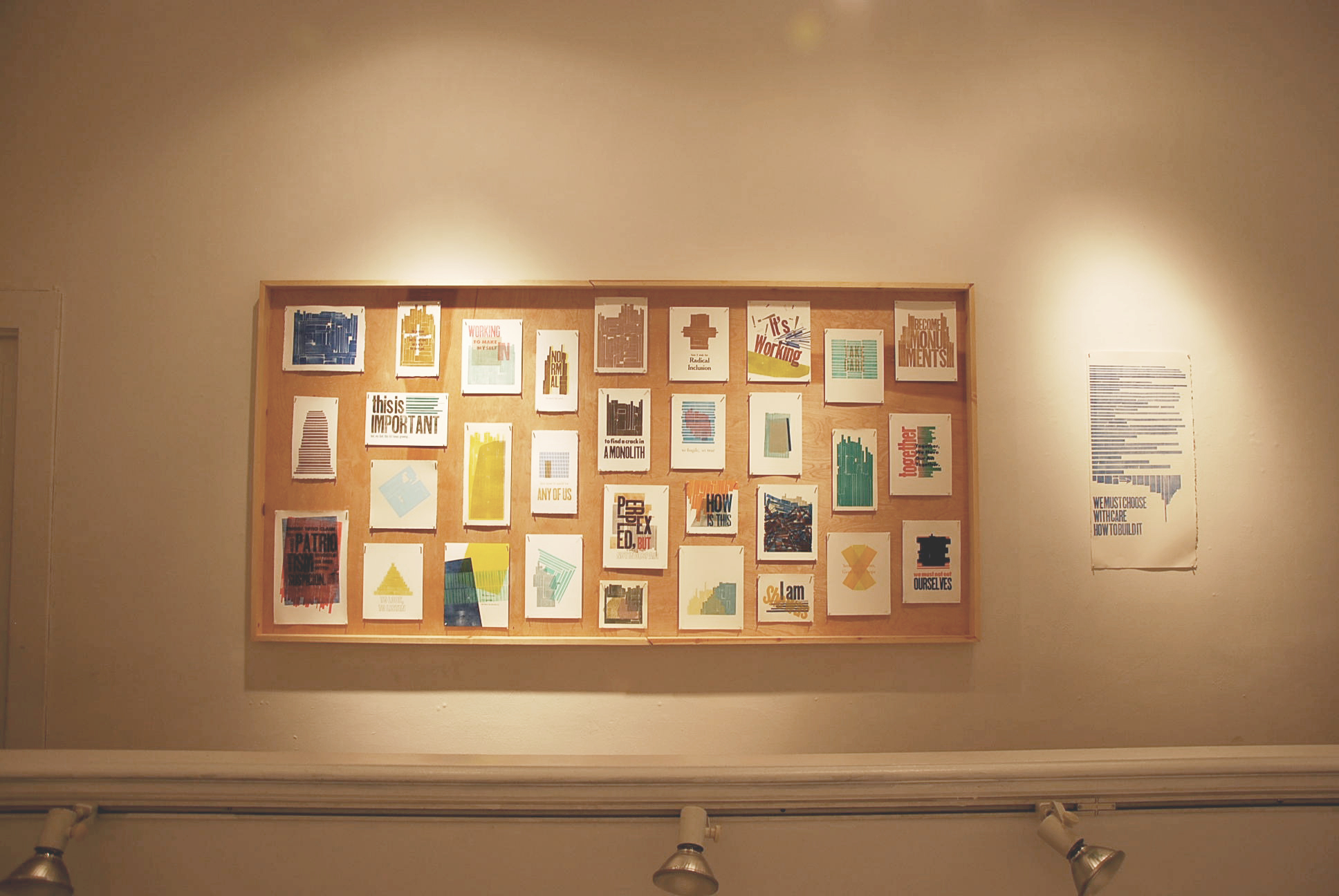
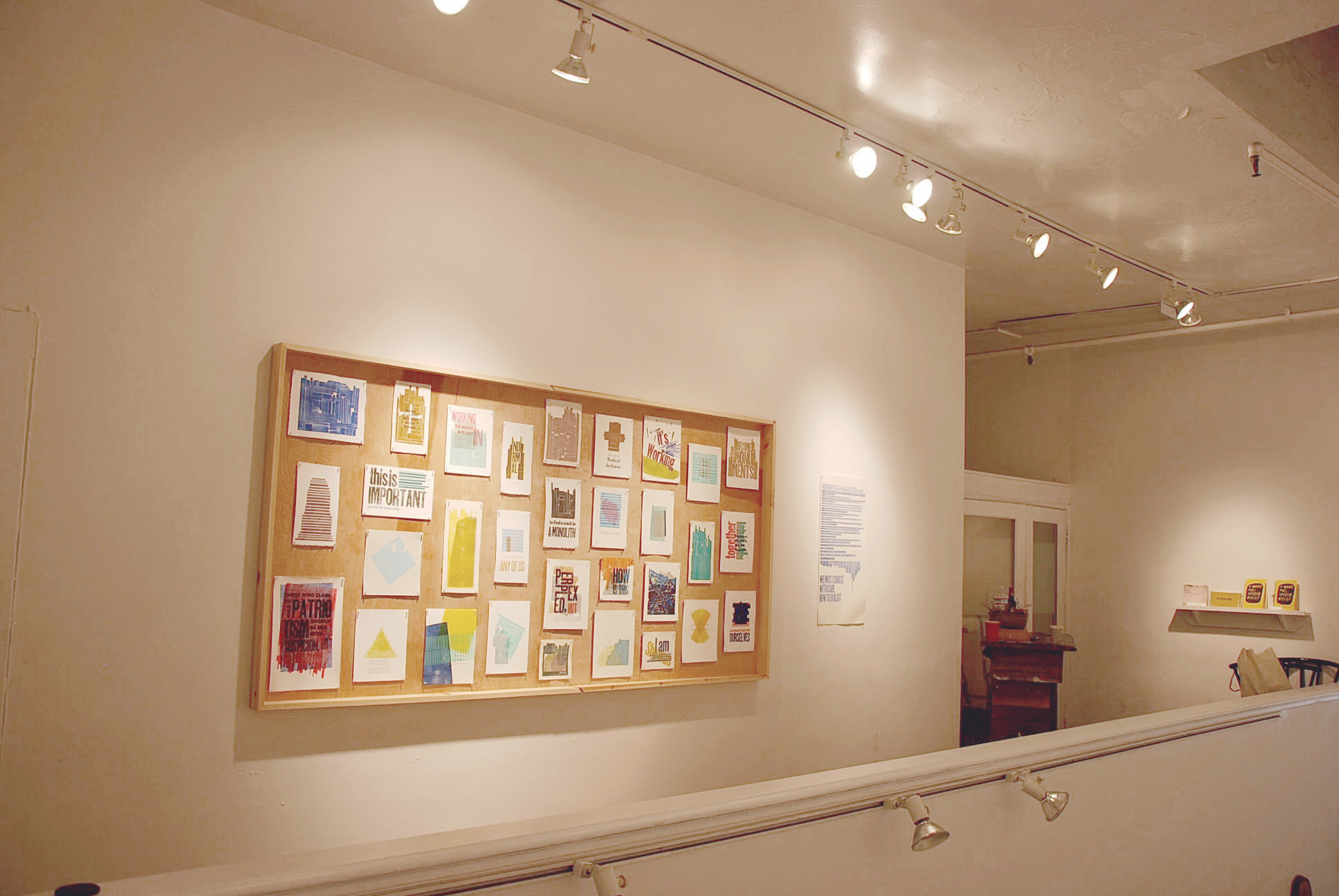
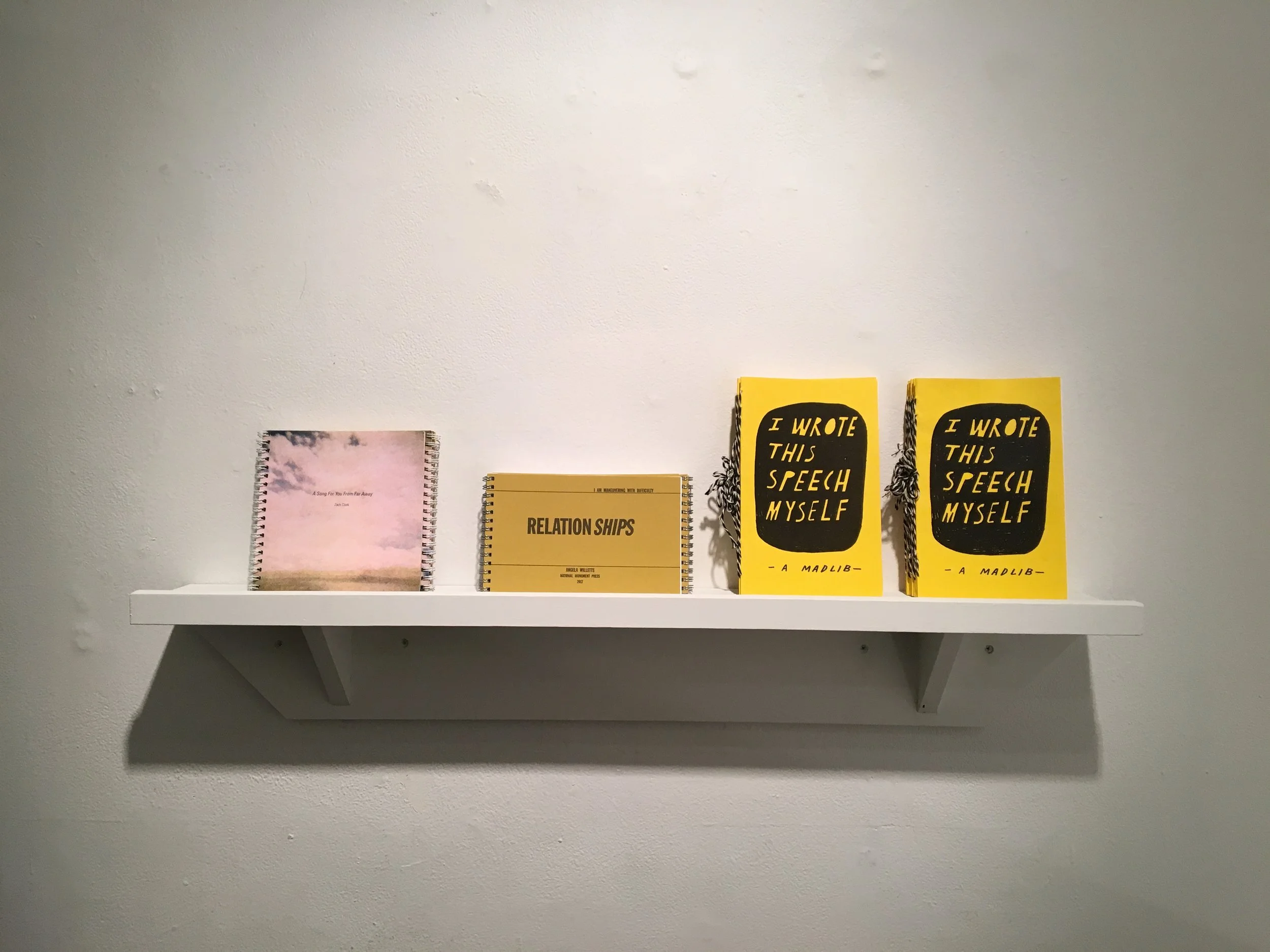
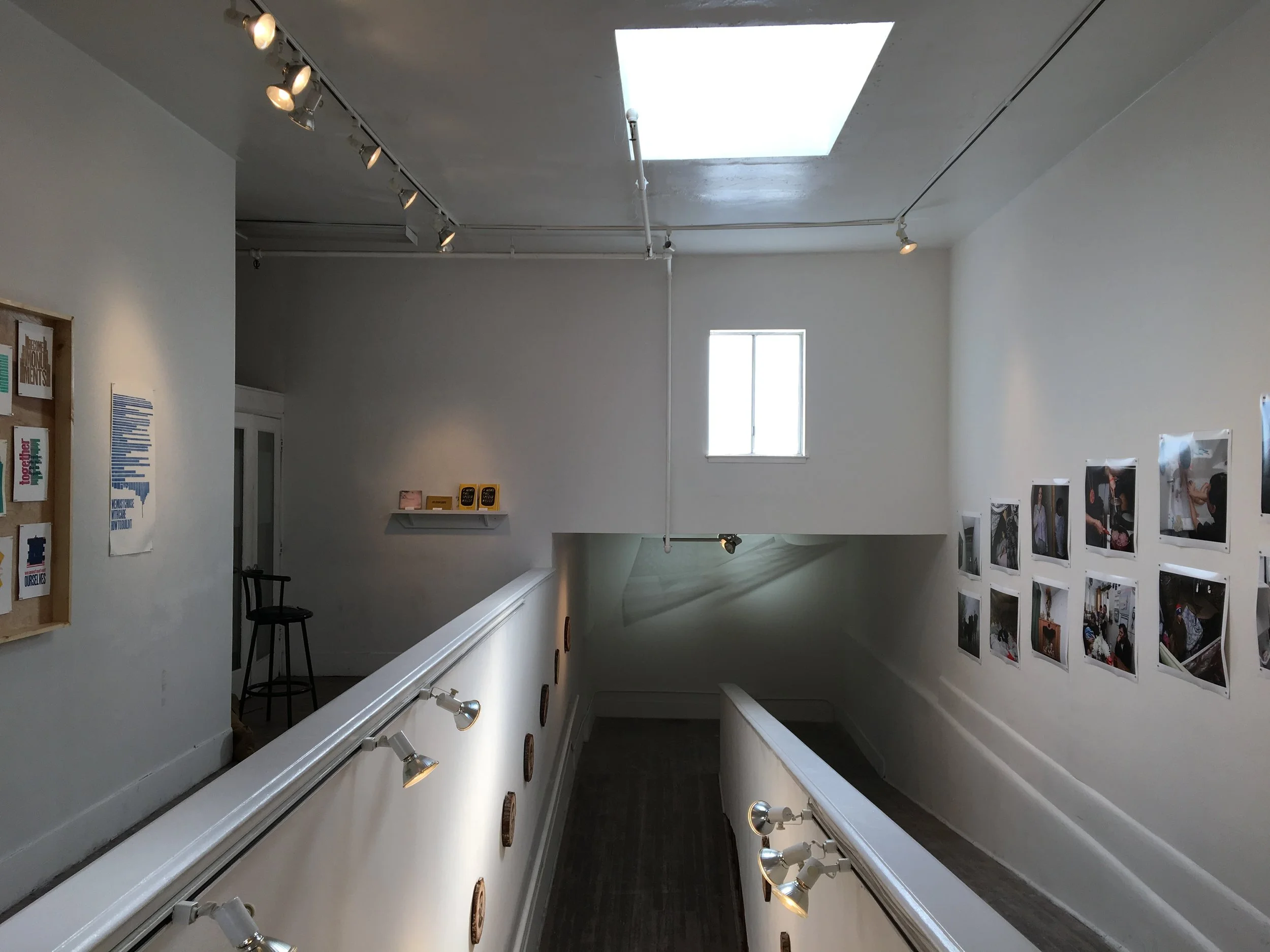
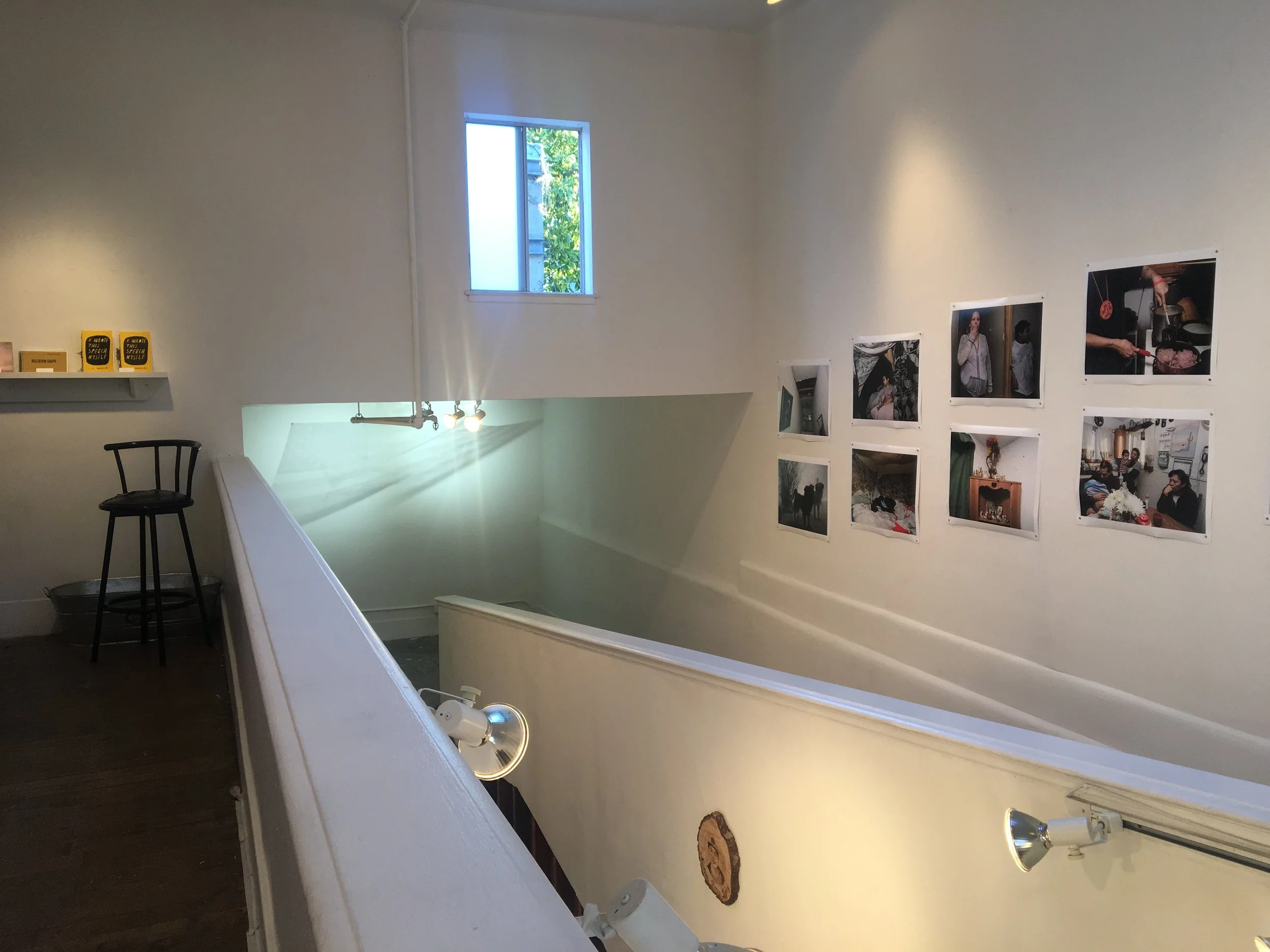
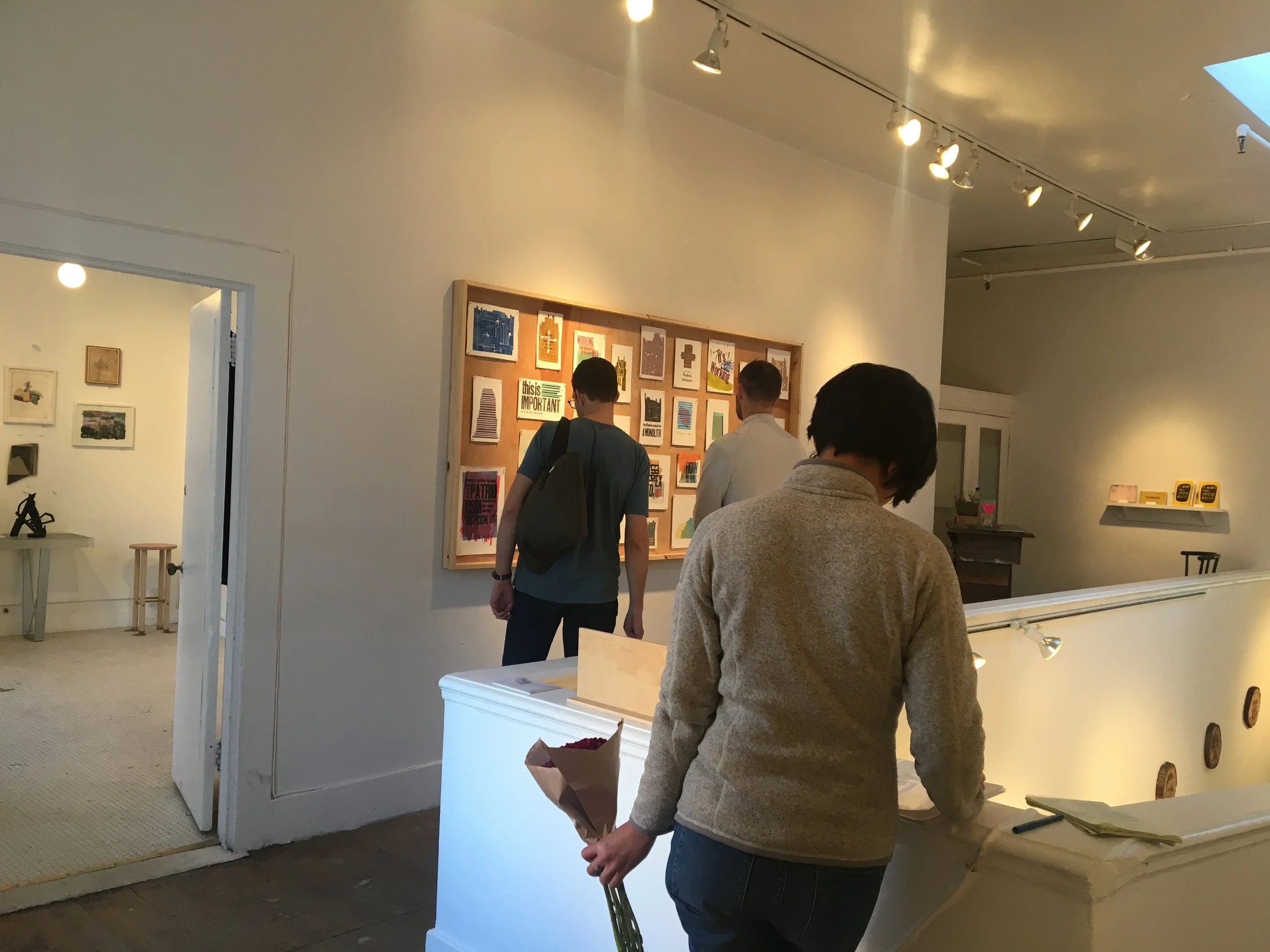
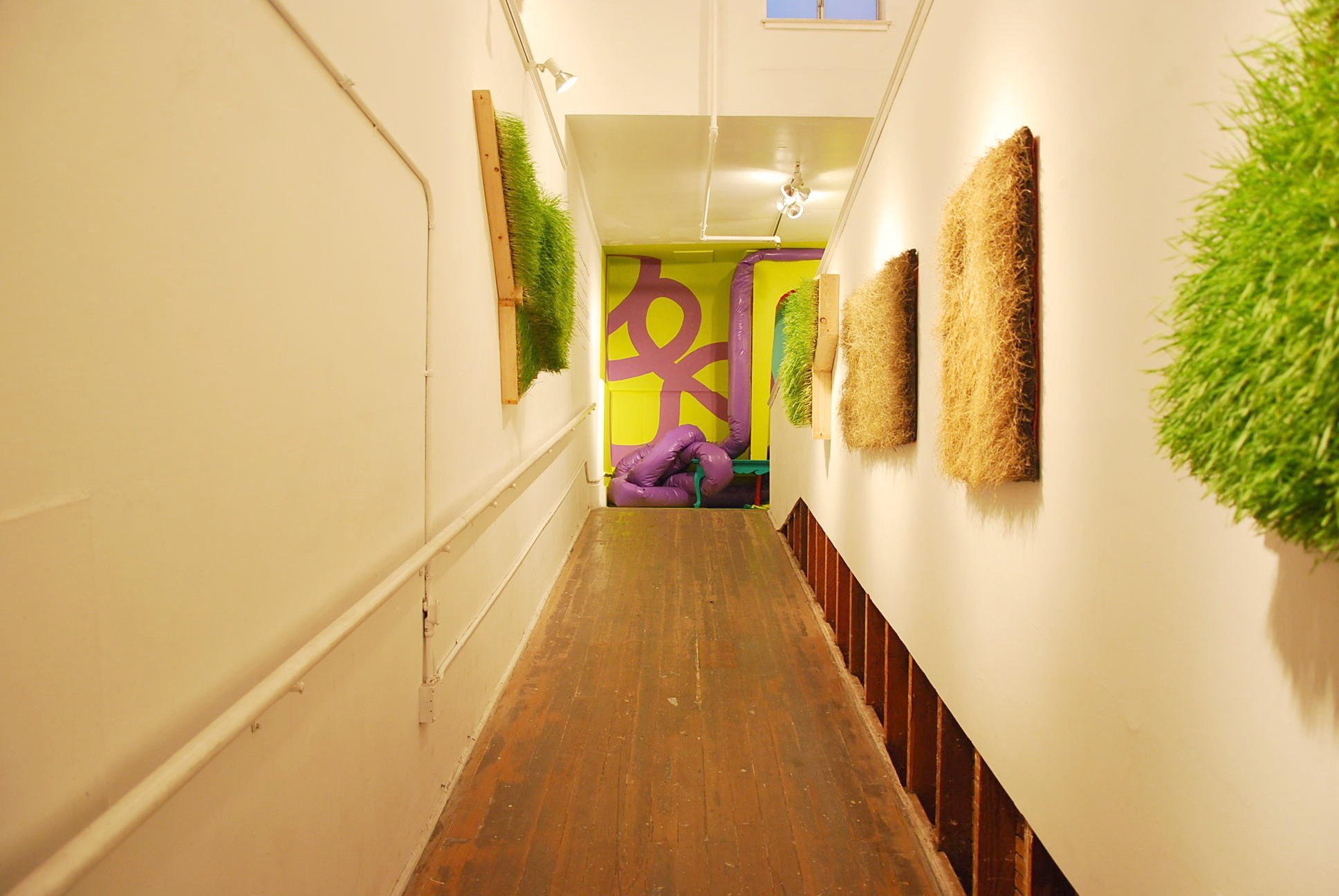
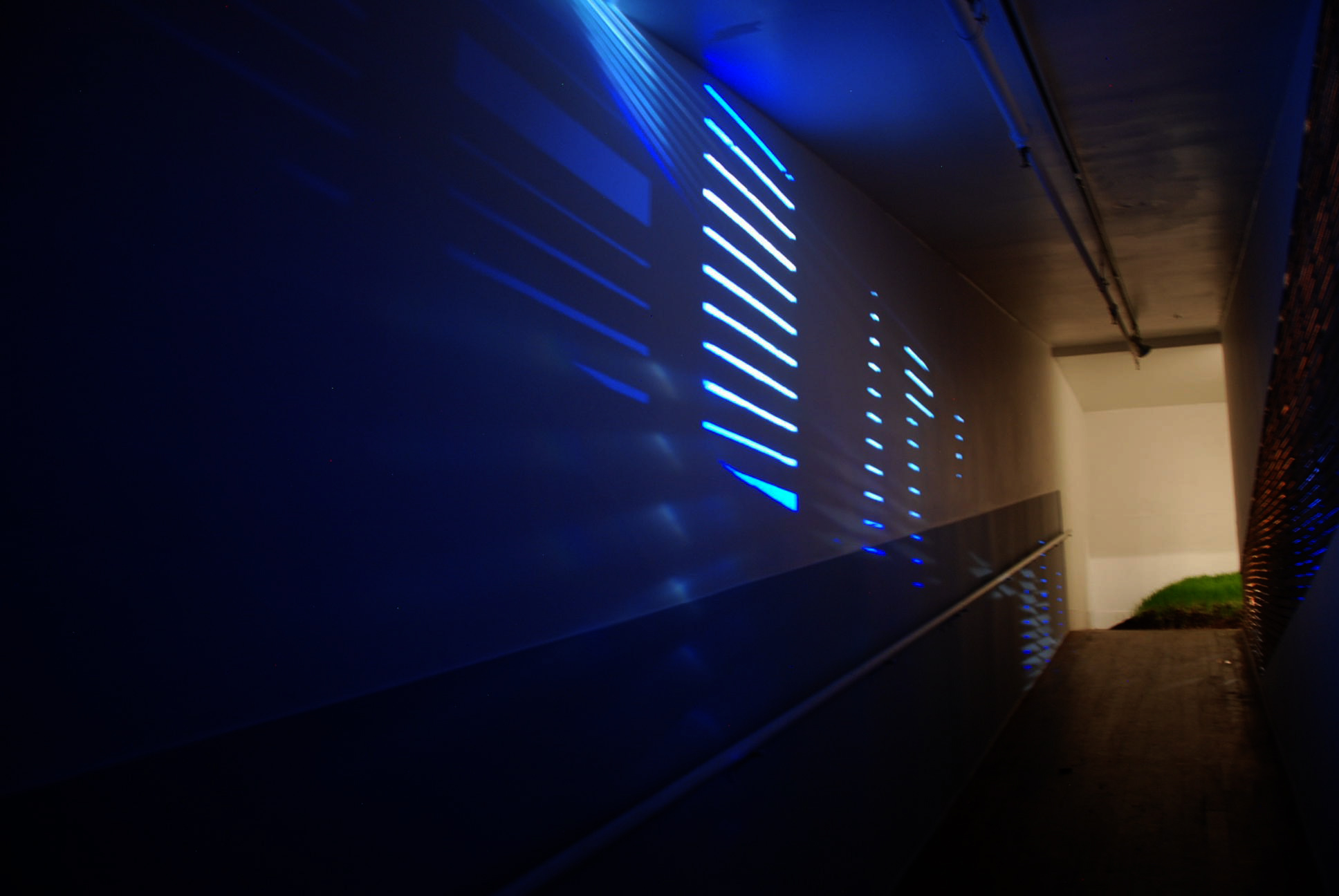
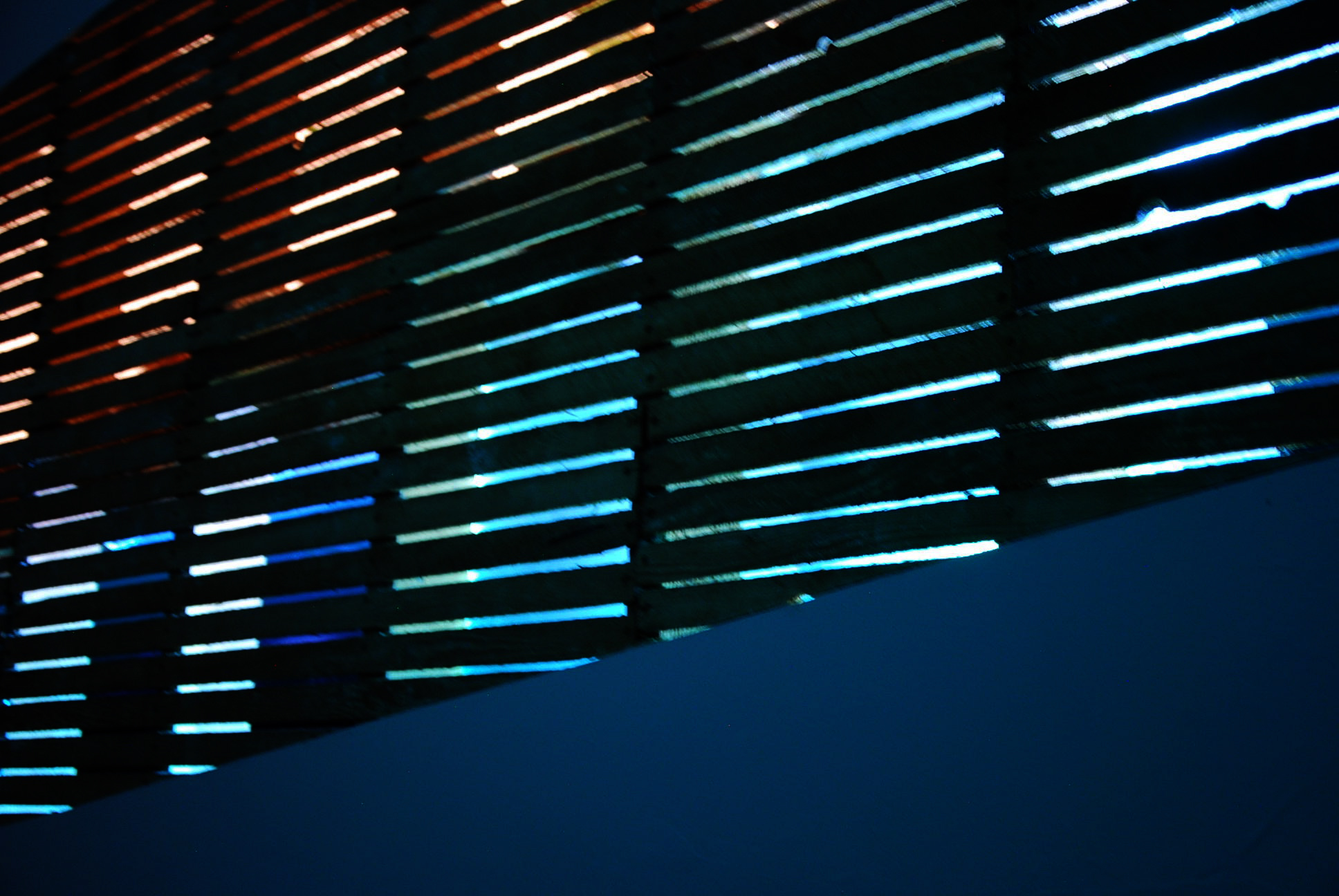
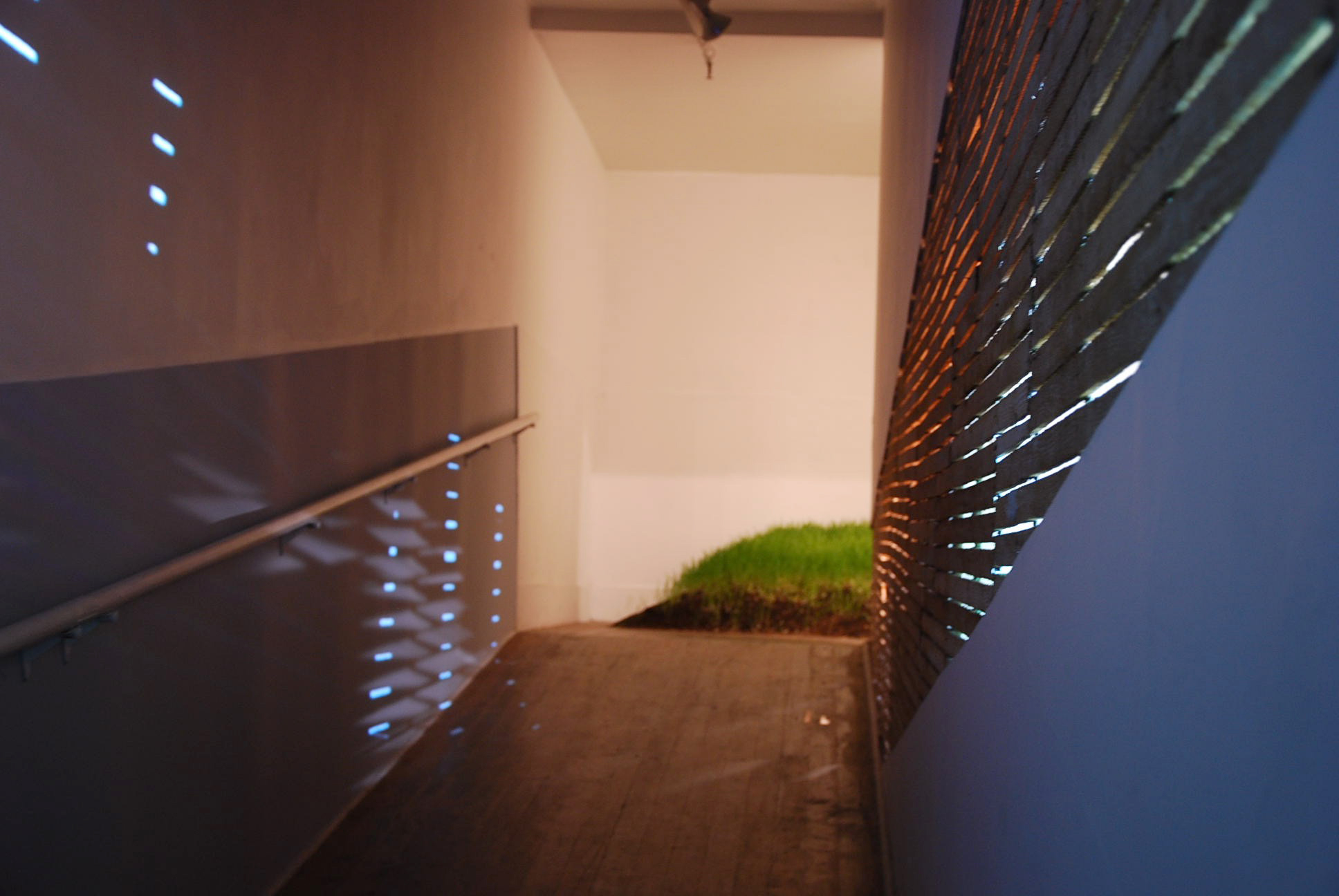
Reflections exhibited work by Anh Bui, Anna Rotty, Azucena Hernandez, Leigh Ann Coleman, Wesaam Al-Badry, and Zach Clark. It took place in the fall of 2017, one year after the 2016 presidential election, at Incline Gallery in San Francisco, CA. The exhibition was a response to a number of political and social events that had occurred in the prior year, such as police brutality, Standing Rock and the election of Donald Trump. The artists, influenced by these events, took a personal approach in their work to comprehend what had happened. The work varied from projections, sculptures, pyrography, installation, photography, textiles, and printmaking. As visitors walked up the ramps of Incline Gallery they were encouraged to spend time with each body of work, in acknowledging all the political and social events that have surfaced and to take a moment to personally reflect.
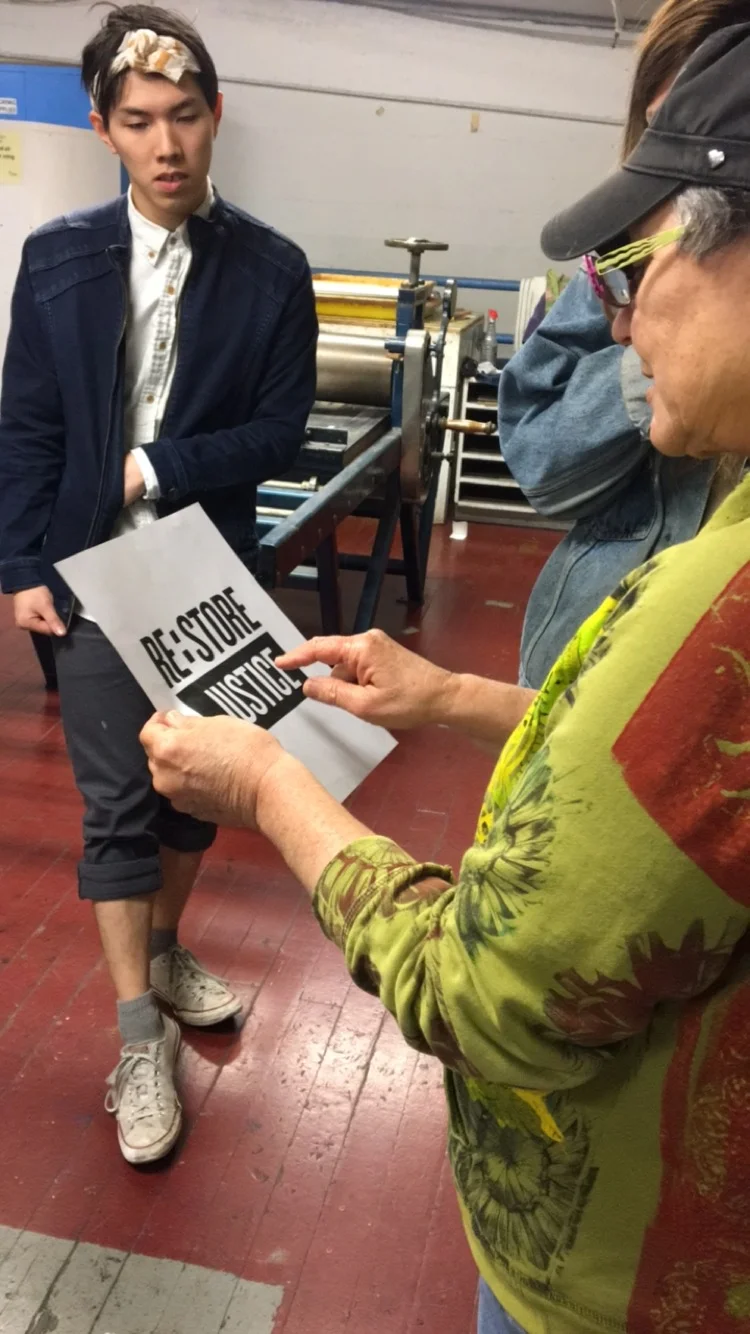
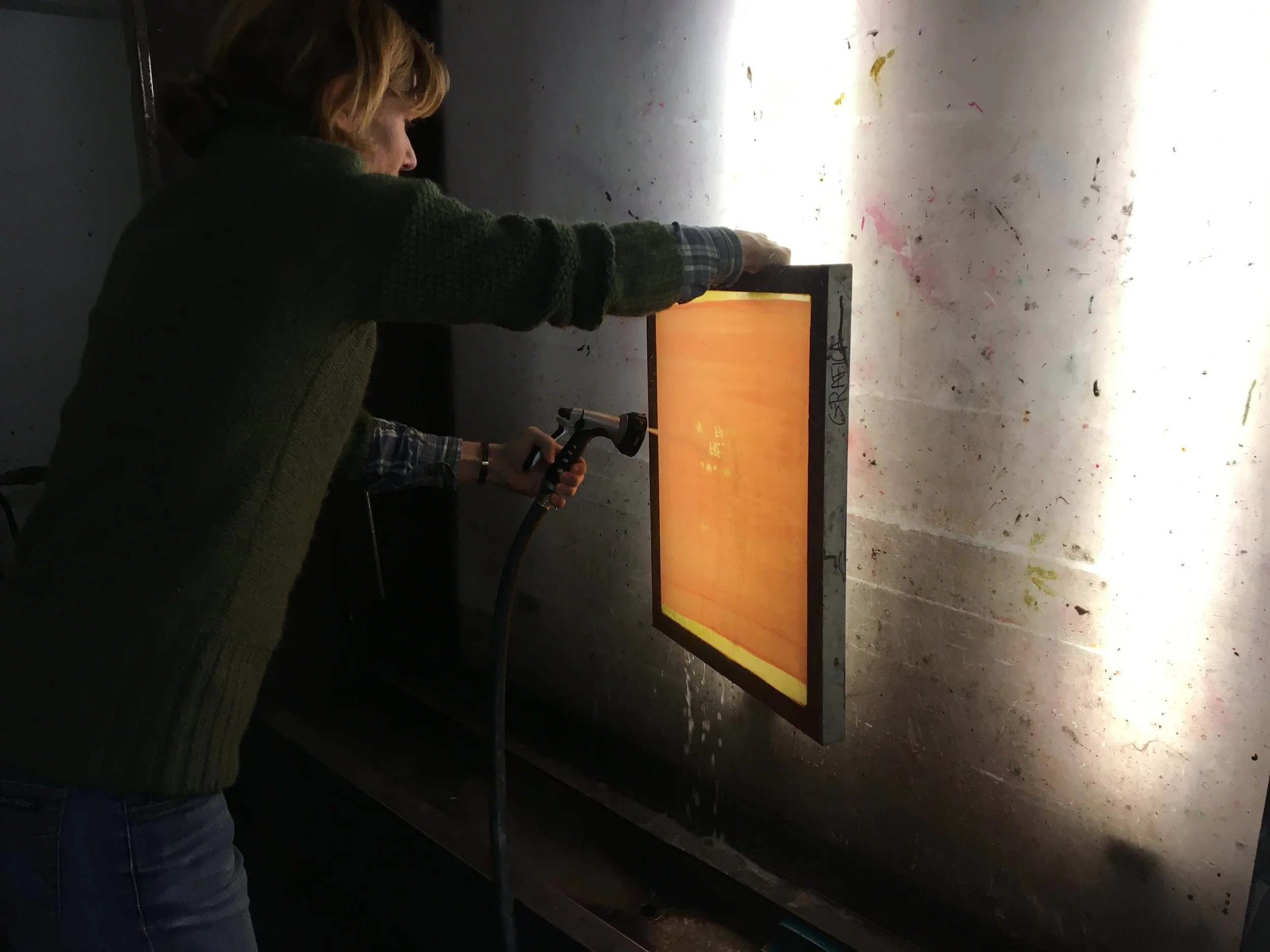
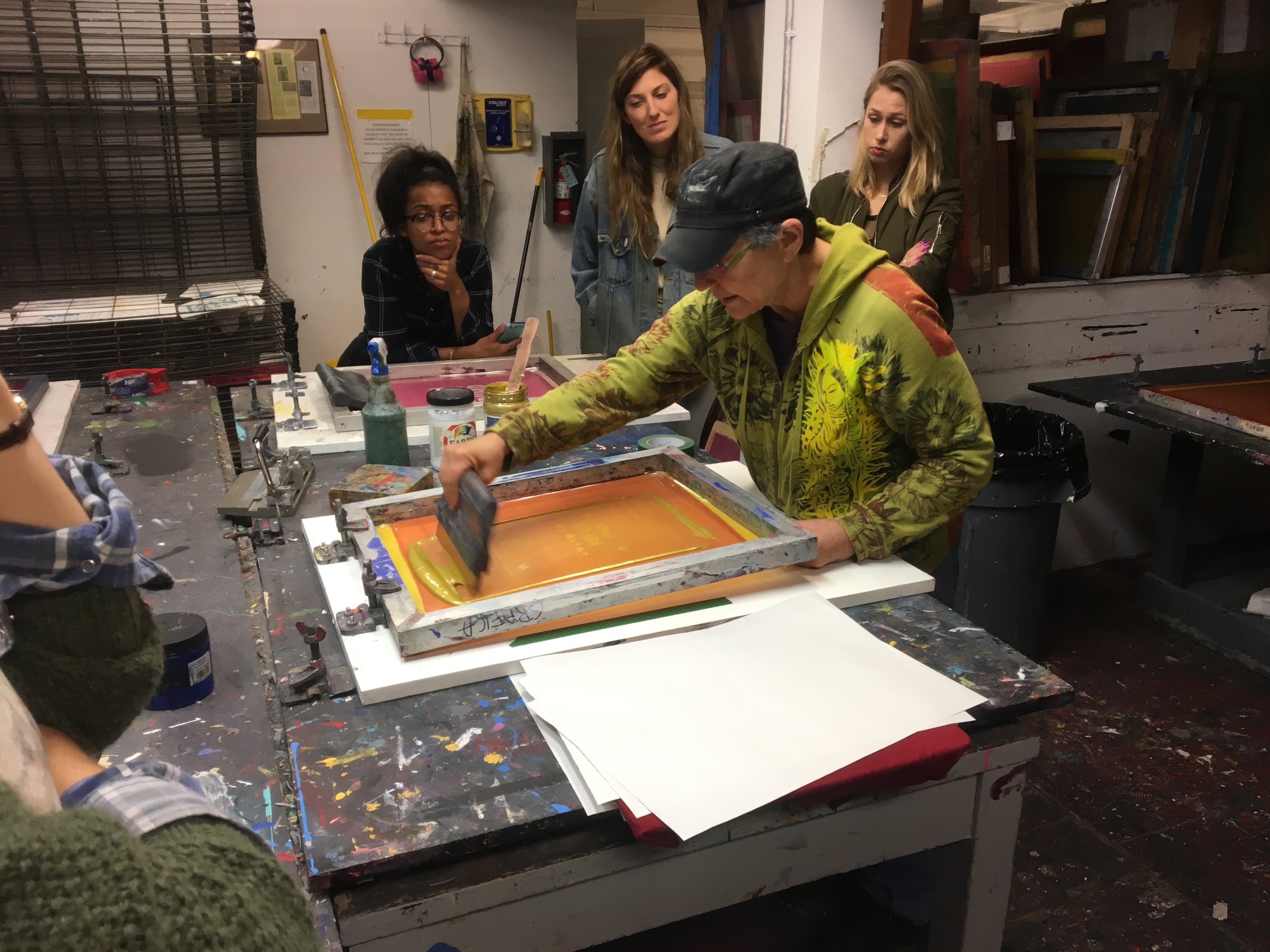
Throughout the exhibition, there were two coinciding public programing events. One being a printmaking workshop, in collaboration with Mission Grafica at the Mission Cultural Center, where folks were invited to learn to make resistance posters. Another was an artist talk and closing reception, where the exhibiting artists shared with the public their work, practice and stories, sparking conversation between the public and the artists.
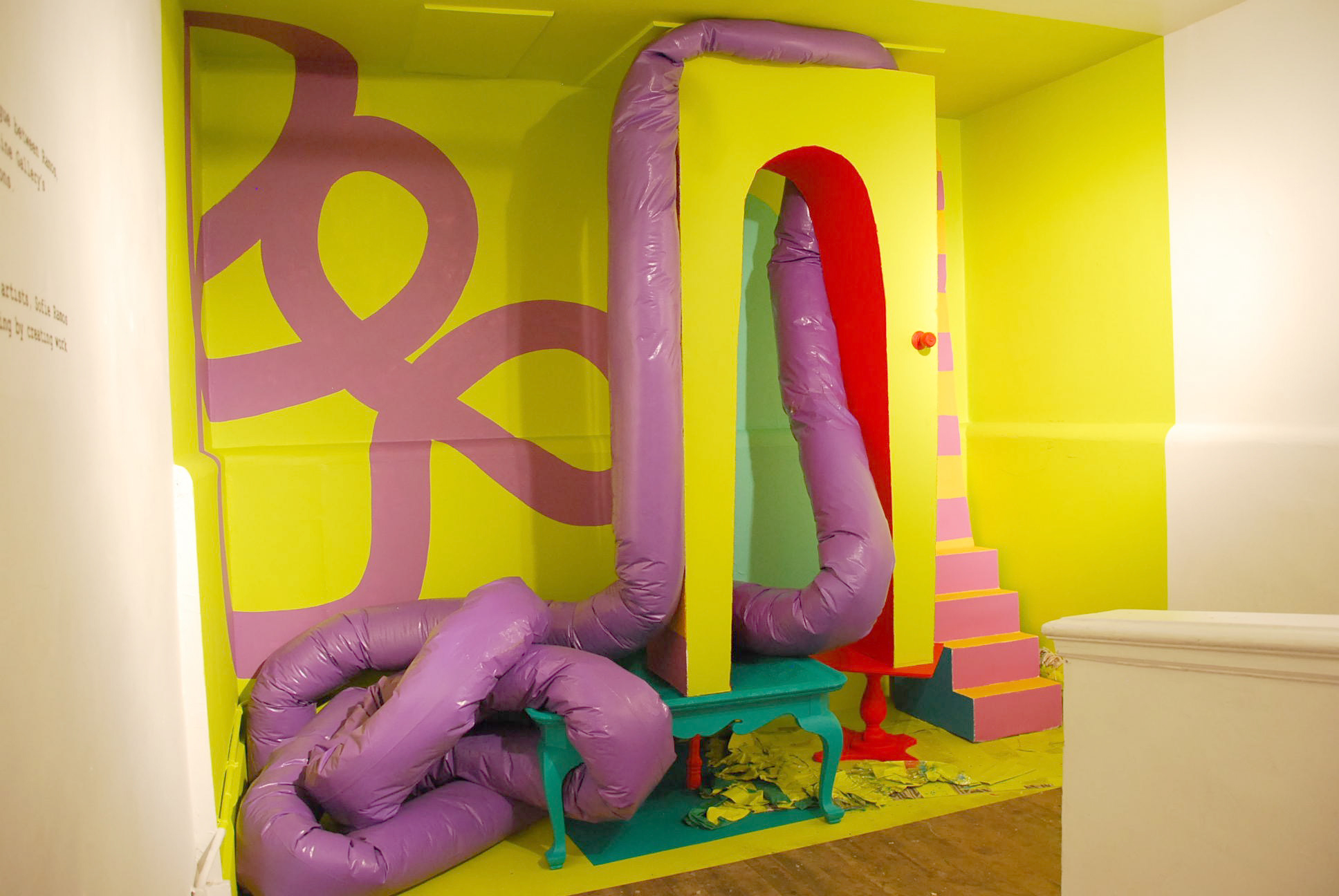
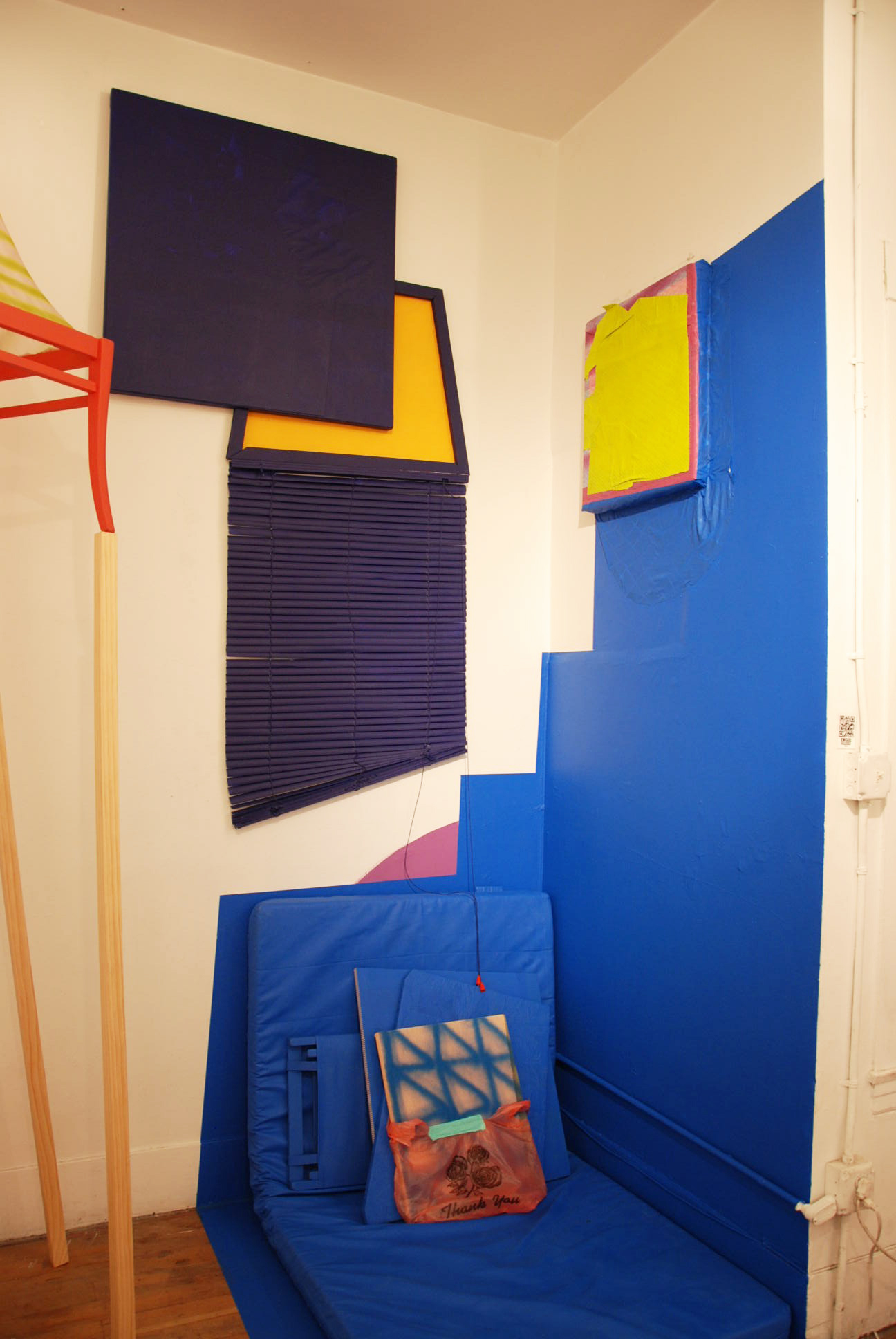
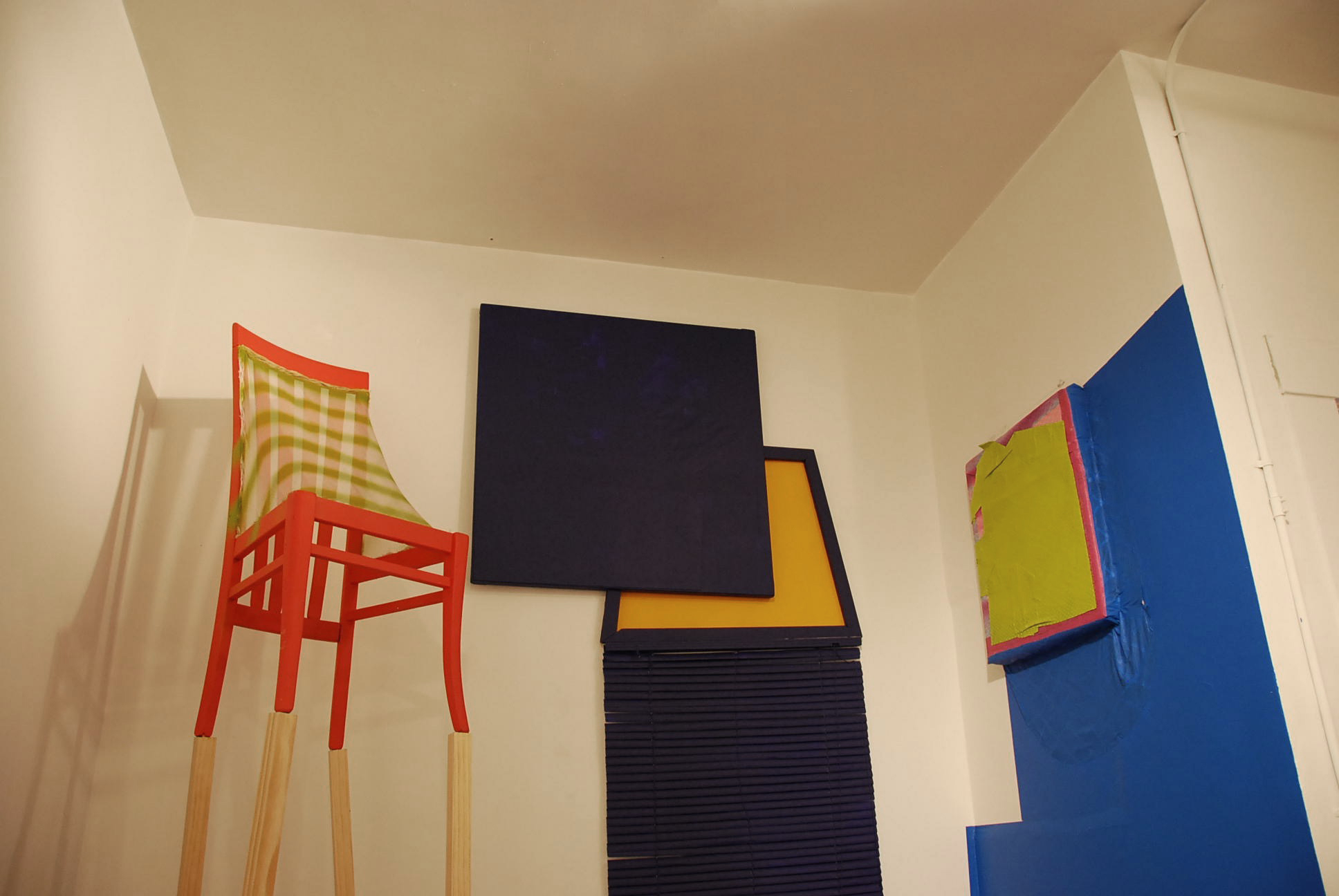
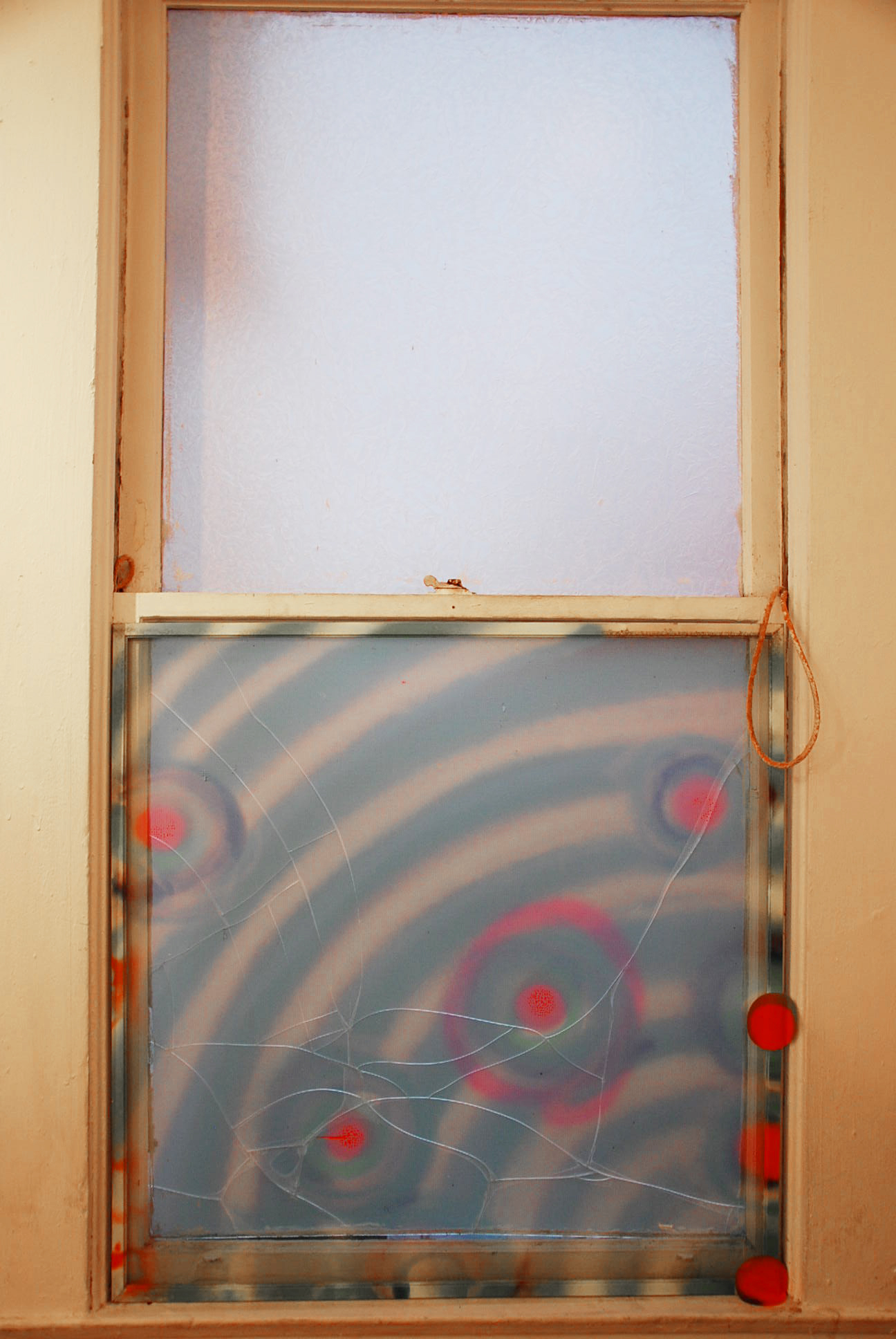
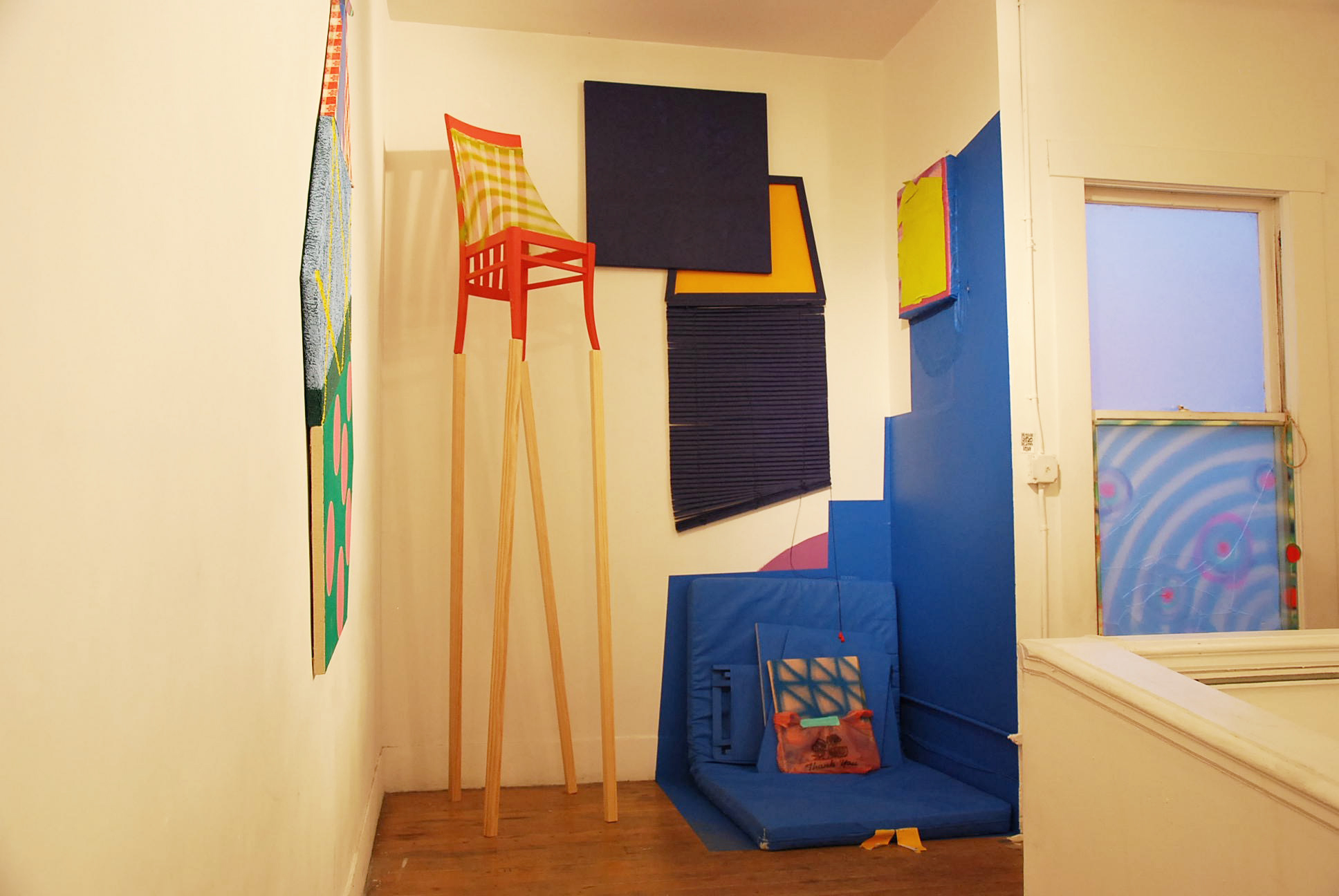
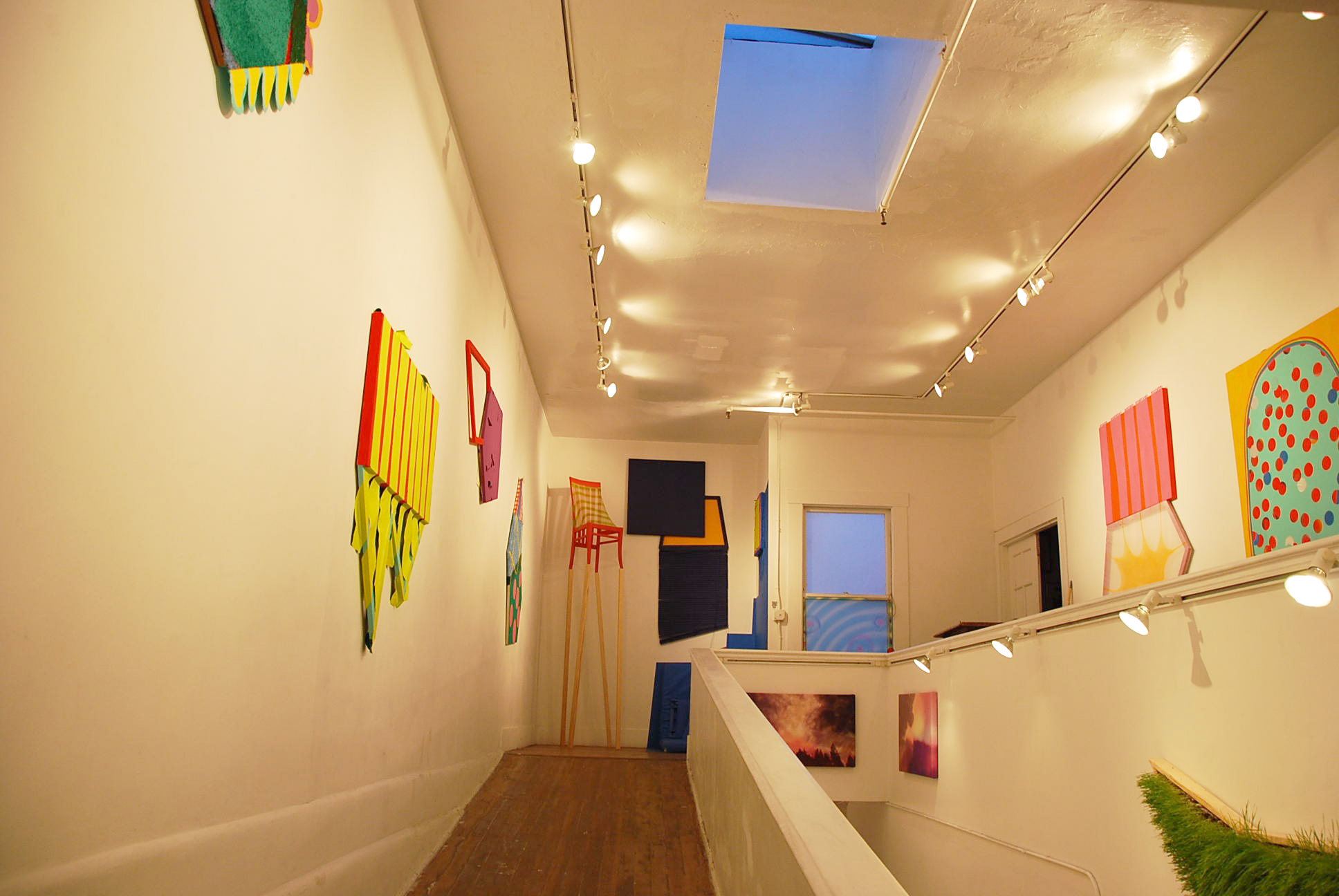
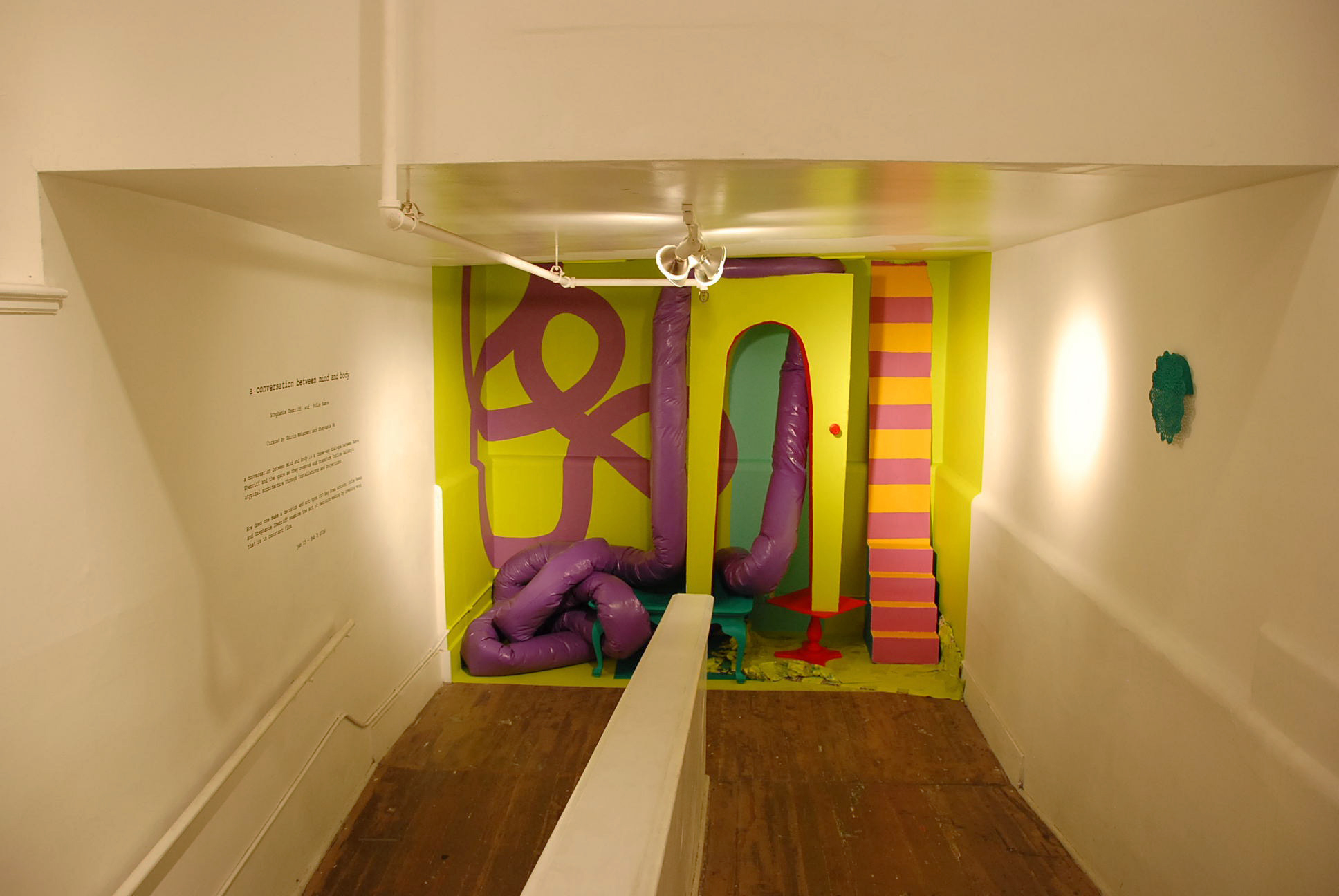
A Conversation Between Body and Mind was a two-person show focused on the dialogue between the subconscious and physical self. How does one make a decision and act upon it? Bay Area artists, Sofie Ramos and Stephanie Sherriff examine the act of decision-making by creating work that was in constant flux. Neither of the artists are interested in creating a final product, but are instead continuously manipulating their work. A three-way conversation was formed between Ramos, Sherriff and the space as they responded and transformed Incline Gallery’s atypical architecture through installation and projections.
With the continuous increase of rent, limitations in space, and their work often seen as “unsellable,” new media and installation artists face a declining ability to survive in contemporary San Francisco. That being said, we wanted to express how grateful we were to have this opportunity to work with Ramos and Sherriff and be able to see them work in their element.
A Conversation Between Body and Mind was co-curated by Stephanie Wu and myself.
you can reach me by email: art @ shirinmakaremi.com